
Plants
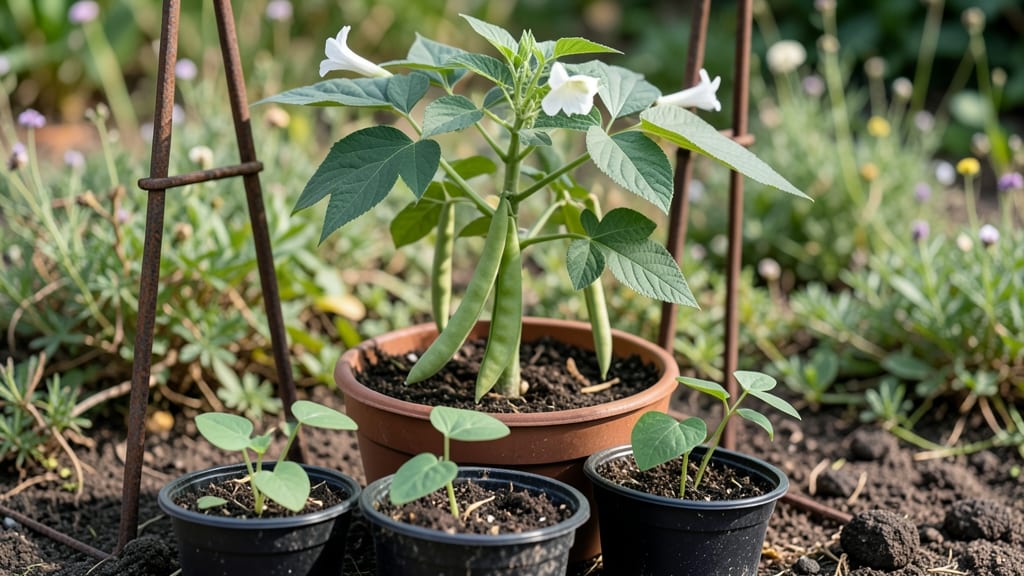
Planting green beans in Oregon at the right time means the difference between a bountiful harvest and a wasted effort—whether you’re in Portland’s foggy valleys or the high desert’s cooler air.
Oregon gardeners know timing is everything—plant too early, and frost will ruin your harvest; too late, and summer’s heat arrives before they mature. Mastering the perfect window for pole and bush varieties ensures a reliable yield, no matter where you live in the state.
In USDA Zones 7b-9a, the ideal window stretches from mid-April to early June for spring planting, with late July to early August for a fall crop. But coastal areas like the Willamette Valley have different rules than the high desert, where cooler nights slow growth.
Below, I’ll break down the exact dates by region, plus pro tips for direct sowing vs. transplanting and the best varieties for Oregon’s climate—so you can plan like a local.
Best planting dates for green beans in Oregon by USDA Zone
Oregon’s diverse climate—from the Willamette Valley’s mild summers to the high desert’s cooler temperatures—means green bean planting dates vary dramatically. In USDA Zones 6-9, timing your pole and bush varieties correctly ensures a productive harvest before frost strikes.
For example, Portland’s Zone 8 allows a longer growing season, while Bend’s Zone 7 demands earlier starts to beat the chill.
Green beans thrive when soil temperatures reach 60°F or warmer, and the last frost date has passed. In Oregon, this typically falls between mid-April and early May, but high-desert areas like Bend and La Pine may need to plant 2-3 weeks earlier.
Coastal regions, like Astoria (Zone 8), can start slightly later due to cooler maritime air.
| Region & Zone | Last Frost Date | Spring Planting Window | Fall Planting Window | Soil Temp Threshold |
|---|---|---|---|---|
| Portland (Zone 8) | Late April | Mid-April to early June | Late July to early August | 60°F+ |
| Eugene (Zone 8) | Early May | Late April to mid-June | Late July to mid-August | 60°F+ |
| Medford (Zone 8) | Mid-April | Early April to late May | Late June to early July | 60°F+ |
| Bend (Zone 7) | Late May | Early May to early June | Late July (risky) | 65°F+ |
| Coastal (Astoria, Zone 8) | Early May | Late May to early June | Late July to early August | 60°F+ |
For pole beans, like ‘Kentucky Wonder’, plant seeds 1-2 inches deep and 18-24 inches apart in rows spaced 3 feet apart. These varieties need trellises or stakes and benefit from Oregon’s longer growing season in Zones 8-9.
In contrast, bush beans, such as ‘Blue Lake’, can be sown closer together (4-6 inches apart) and thrive in shorter seasons, making them ideal for high-desert areas.
If you’re transplanting seedlings, do so 2-3 weeks after your last frost date when soil is warm and workable. Seedlings should be 4-6 inches tall with 2-3 true leaves. Avoid transplanting in cooler, wet soils, which can shock roots and stunt growth.
In Medford (Zone 8), for instance, transplanting in late April gives plants enough time to mature before summer’s heat peaks.
Oregon’s fall planting window is shorter but still viable in Zones 8-9. Sow seeds 8-10 weeks before your first frost date, typically late July to early August. Use row covers to extend the season and protect tender plants from early autumn chills.
In Portland, this means harvesting by mid-October, while Medford can push it to early November.
Soil preparation is key: amend with compost or aged manure to improve drainage, especially in clay-heavy soils common in the Willamette Valley. Green beans prefer slightly acidic to neutral soil (pH 6.0-7.0).
Test your soil before planting—high-desert areas like Bend often have alkaline soils, which may require sulfur amendments to optimize growth.
Monitor soil moisture closely, especially during Oregon’s unpredictable spring rains. Overwatering can lead to root rot, while drought stress slows growth. Aim for 1-2 inches of water per week, delivered in the morning to reduce fungal risks.
In drier zones like Bend, mulch heavily with straw or wood chips to retain moisture and regulate soil temperature.
For a continuous harvest, stagger plantings every 2 weeks from April to June. This works especially well in Portland and Eugene, where the growing season is long enough to support multiple crops.
In shorter-season zones (Zone 7), focus on one main planting and prioritize fast-maturing varieties like ‘Contender’, which matures in 50 days.
Watch for <
Pole vs. bush green beans: which thrives in Oregon’s climate?
Choosing between pole and bush green beans in Oregon depends on your climate zone and garden space. Pole varieties like ‘Kentucky Wonder’ love to climb, while bush varieties such as ‘Blue Lake’ stay compact.
In Oregon’s Willamette Valley, humidity can stress bush beans, but pole beans thrive with vertical support. Meanwhile, high-desert areas like Bend benefit from bush beans’ shorter growing season.
Oregon’s short growing season in cooler zones (like Zone 7b) favors bush beans, which mature faster—typically in 50-60 days. Pole beans, needing 60-70 days, work better in warmer zones (Zone 8-9).
Both types need full sun, but pole beans handle heat stress better by growing upward, while bush beans may struggle in high humidity.
🌱 Pole Green Beans (e.g., 'Kentucky Wonder')
- Pros: Space-saving, higher yield, better heat tolerance
- Cons: Needs trellis support, slower maturity in cool zones
🌿 Bush Green Beans (e.g., 'Blue Lake')
- Pros: Faster harvest, no support needed, ideal for short seasons
- Cons: Lower yield, struggles in humidity, needs more spacing
For Portland’s mild climate, I recommend starting pole beans in late May after frost risk passes. Bush beans can go in as early as mid-April for a quicker harvest. In high-desert areas, prioritize bush beans—plant them in late May to avoid early frosts.
Both types need well-draining soil, but pole beans tolerate drier conditions better due to their deep roots.
Oregon’s Willamette Valley humidity can cause fungal diseases in bush beans, so opt for disease-resistant varieties like ‘Blue Lake Bush.’ Pole beans, however, handle humidity better when given proper air circulation.
In cooler microclimates (e.g., Mount Hood), extend the season with row covers for both types, but bush beans will still outperform pole beans in yield.
If you’re short on space, pole beans are the winner—they produce 3x more beans per square foot than bush beans. For container gardening in urban areas, bush beans are easier to manage. Always harvest regularly to encourage continuous production, regardless of the type.
In Oregon, late summer is your last chance for a fall crop—bush beans mature faster and are safer for September planting.
My top tip? Try both! Plant a few bush beans for an early harvest and pole beans for a prolonged yield. In Oregon’s variable climate, diversity ensures success. Just remember: soil temperature matters most—wait until it’s 60°F+ before planting either type. Happy growing! 🌱