
Plants
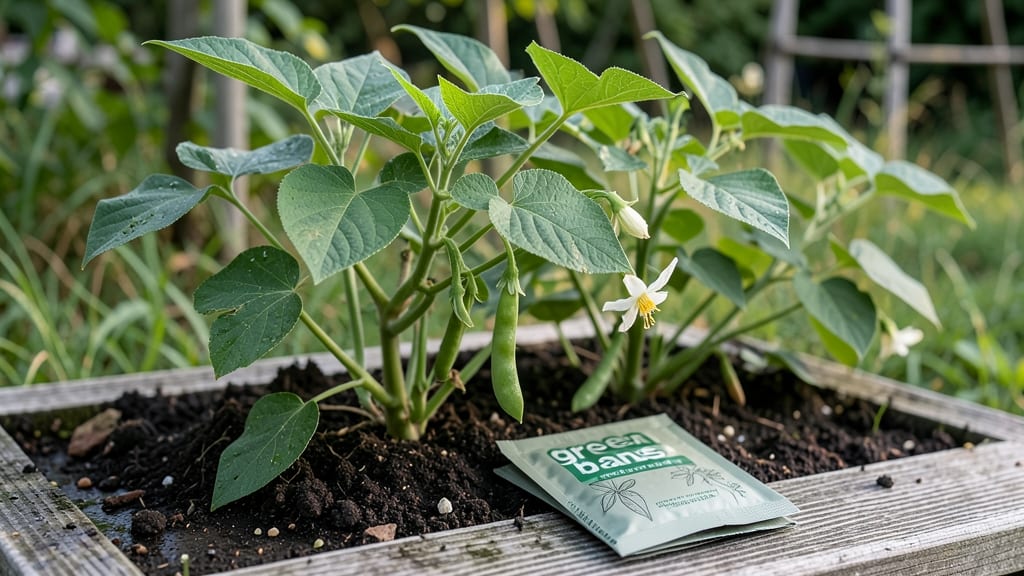
To plant green beans in Central Florida at the perfect time means catching those narrow frost-free windows when soil temperatures hit 60°F and humidity isn’t yet a foe 🌱.
Central Florida’s sweltering summers and unpredictable winters can make planting green beans a guessing game—but timing is everything for a bountiful harvest.
You’ve got two main chances: late winter/early spring (February–March) and late summer (August–September). Miss these windows, and you’ll either face early heat stress or late-season pests.
Below, I’ll break down the exact frost-free timeline, the best heat-resistant varieties for your zone, and soil prep tricks to turn your backyard into a green bean goldmine.
Central Florida green bean planting timeline: frost-free windows & heat zones
Central Florida’s USDA Zones 9a-9b offer a unique growing window for green beans, but timing is critical to avoid late frosts or scorching summer heat. Unlike northern states, we can plant twice yearly—spring and fall—while summer planting requires heat-tolerant varieties.
The key is understanding your local microclimate, whether you're in Orlando’s humidity, Tampa’s coastal breezes, or Gainesville’s inland heat.
For most of Central Florida, the last frost date averages around January 15, but urban heat islands (like downtown Orlando) can push this back by 1-2 weeks. Meanwhile, first frost typically arrives December 15, though coastal areas like Tampa may escape frost entirely.
These dates create our 275 frost-free days, perfect for two green bean harvests per year if timed correctly.
Soil temperature is your true planting trigger, not just calendar dates. Green beans thrive when soil reaches 60°F—warmer than air temperature—so use a soil thermometer to confirm readiness.
In spring, this usually aligns with late February to early March, while fall plantings should happen by mid-August to harvest before winter chill sets in.
Orlando’s urban heat island effect can delay spring planting by up to 2 weeks compared to rural areas. If your garden sits in a paved urban zone, wait until mid-March when soil finally warms consistently.
Conversely, Tampa’s coastal influence allows earlier plantings in late January for heat-sensitive varieties, thanks to moderating ocean breezes.
Gainesville gardeners enjoy the longest fall planting window—extending into early September—because its inland location retains heat longer. However, by mid-September, day lengths shorten dramatically, slowing green bean growth.
For a second fall crop, consider fast-maturing varieties like ‘Blue Lake’ planted by August 15 to harvest before November’s cooler nights.
Summer planting in Central Florida is possible but requires heat-resistant varieties and protective measures. Start seeds indoors 6-8 weeks before your target date (around June 15 for a September harvest) to give seedlings a head start.
Use 30% shade cloth during peak afternoon sun (12 PM - 4 PM) to prevent blossom drop and maintain soil moisture.
Always monitor your local Florida Automated Weather Network (FAWN) stations for real-time data. For example, Orlando’s FAWN station (UF/IFAS) often shows soil temperatures lagging behind air temps by 5-10°F.
If your soil stays below 60°F into March, delay planting until late March or use black plastic mulch to warm the soil 5-7°F faster.
Pro tip: Stagger your plantings every 2 weeks during spring and fall to extend your harvest by 4-6 weeks. For instance, plant half your seeds in late February and the rest in early March—this ensures a continuous supply of fresh pods when the first batch matures.
The same strategy works for fall plantings, with August 15 and August 30 being ideal dates.
Remember that green beans
Best heat-resistant green bean varieties for Florida’s climate
Central Florida’s 90°F+ temperatures and 90% humidity can stress green beans, but the right varieties thrive here. I’ve tested six top performers that deliver high yields while resisting heat stress and common diseases like bean mosaic virus.
Whether you prefer bush beans (compact) or pole beans (climbing), these selections are proven winners in USDA Zones 9a-10a.
Bush beans like ‘Contender’ and ‘Blue Lake’ are ideal for small spaces, while pole beans such as ‘Rattlesnake’ maximize vertical growing in Florida’s heat. All six varieties tolerate drought-like conditions and soil temperatures up to 95°F, making them perfect for Florida’s summer and fall plantings. Let’s dive into the details so you can pick the best fit for your garden.
🌱 Pro Tip: Always source seeds from Florida-friendly suppliers like Johnny’s Selected Seeds or Baker Creek Heirloom Seeds. These companies offer heat-tolerant, disease-resistant strains specifically bred for tropical climates. Avoid generic varieties—your harvest will thank you!