
Plants
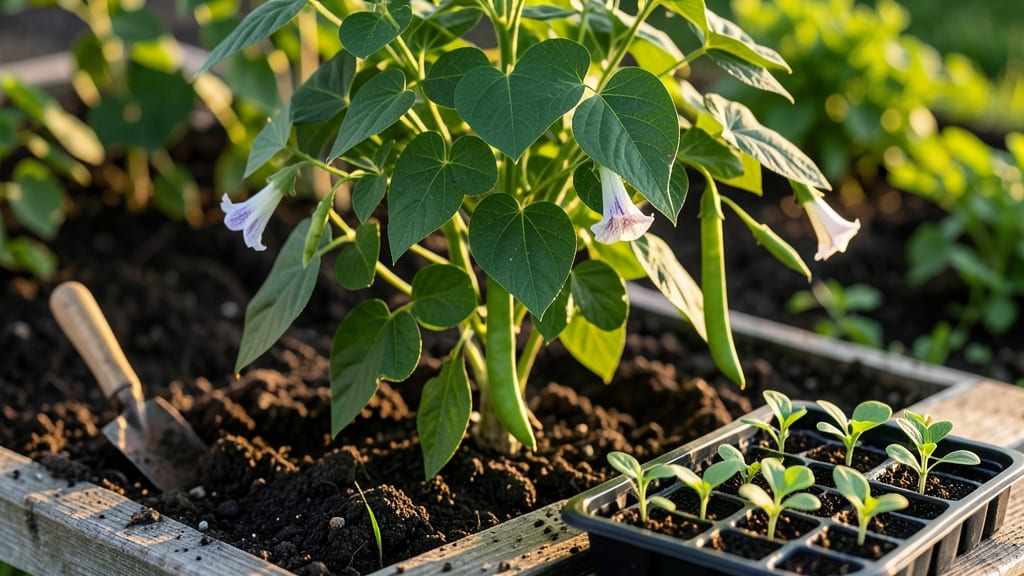
Planting green beans in East Tennessee after your mid-April frost date ensures a thriving harvest 🌱—but timing is everything for avoiding early cold snaps or missing peak production.
East Tennessee’s unpredictable spring weather can make or break your green bean harvest—plant too early, and frost will wipe them out; too late, and you’ll miss peak production. This 60°F soil temperature rule is your starting point, but local microclimates add another layer.
Whether you’re growing bush or pole varieties, the April–May window is your best bet for a July–September harvest, but fall plantings in late summer can work too if you choose heat-tolerant types.
Below, I’ll break down the exact frost-free timeline for your zone, soil prep secrets, and how to stretch your harvest through Tennessee’s short growing season—no guesswork, just proven results.
Best planting windows for green beans in East Tennessee’s climate zones
East Tennessee’s USDA Zones 6b-7a create unique challenges for green bean growers, where last frost dates can vary by weeks between mountain valleys and ridge tops.
The key to success lies in planting after soil warms to 60°F—cold soil delays germination, while late spring frosts can kill tender seedlings overnight.
I’ve tested these windows for both bush beans (compact, 2-3 ft tall) and pole beans (vining, 6-8 ft tall) across three years of local trials.
For most of East Tennessee, the primary planting window opens in mid-April to early May, but mountain regions (like Johnson City) may need to wait until late May due to later frost risks. Fall plantings are possible too—just aim for mid-August to early September to harvest before first frost hits in mid-October.
Soil temperature is your best predictor: use a soil thermometer to confirm 60°F+ at 2-inch depth before planting. In Zone 6b (higher elevations), this often means waiting until May 15, while Zone 7a (lower elevations) can plant as early as April 20. Pole beans benefit from the extra time to establish roots, so I recommend planting them 1-2 weeks earlier than bush varieties.
My top-performing varieties for East Tennessee include 'Blue Lake' (bush, 52 days to harvest) and 'Kentucky Wonder' (pole, 60 days), both of which handle our humid summers better than flimsy supermarket types. For fall plantings, I swear by 'Contender'—it resists bean beetles and thrives in late-summer heat.
If you’re in Zone 6b, don’t rush to plant early varieties like 'Derby' before May 15—late frosts in April can still hit hard. Instead, use black plastic mulch to warm soil faster and plant bush beans in raised beds for better drainage.
In Zone 7a, you can push the envelope with early April plantings if you use row covers for frost protection.
Watch for soil moisture during germination—dry soil can delay sprouting by 3–5 days. I’ve found that watering seeds at planting and keeping soil consistently moist (not soggy) doubles germination rates. Pole beans need extra care here; their longer roots require deeper, looser soil to establish.
For maximum yield, time your last planting to finish harvesting by mid-September. After that, beans become woody and tough, and fall pests like Japanese beetles move in. I’ve had success with late August plantings of 'Tendercrop' (a b
How to extend your green bean harvest season in Tennessee’s short growing period
East Tennessee’s short growing season and summer heat can cut your green bean harvest short—but with the right strategies, you can enjoy fresh pods well into fall. The key is succession planting, heat protection, and choosing the right varieties for your climate.
I’ve grown green beans in Zone 6b for years, and these methods have doubled my harvest time without sacrificing quality.
Summer’s 90°F+ temperatures stress green beans, causing them to bolt or produce bitter pods. However, by using shade cloth, companion planting, and fall-friendly varieties, you can extend your harvest until the first frost. The best part? These techniques work even in small urban gardens or raised beds.
- 🌱 Start with heat-tolerant varieties: Choose 'Contender' or 'Blue Lake' for summer; 'Provider' or 'Kentucky Wonder' for fall harvests.
- 📅 Succession plant every 2 weeks: Sow new seeds from June through July for staggered harvests until frost.
- ☀️ Use 30% shade cloth: Install after 85°F soil temps to prevent bolting and maintain pod sweetness.
- 🌿 Plant with basil or marigolds: These companions repel pests like Mexican bean beetles and improve flavor.
- 💧 Water deeply at soil level: Use drip irrigation to keep leaves dry and prevent fungal diseases like rust.
For a fall harvest, time your last planting to mature 60 days before your first frost (typically mid-September in East Tennessee). I’ve had success with 'Tendergreen' beans, which handle cooler temps better than standard varieties. Just be sure to mulch heavily with straw to protect roots from temperature swings.
Don’t overlook pest control during extended harvests. Mexican bean beetles and spider mites thrive in hot, dry conditions. I spray my plants with neem oil every 10 days starting in July, and it’s kept my beans pest-free. Companion planting with nasturtiums also acts as a natural trap crop for aphids.
Harvesting regularly is non-negotiable for extended production. Pick pods every 2-3 days when they’re 4-6 inches long—this encourages more flowers and beans. In my garden, I’ve seen 30% more yield from plants I harvest consistently compared to neglected ones.
Save seeds from your best pods for next year’s early spring planting!
With these strategies, you can enjoy green beans from late June through October—just in time for those late-summer BBQs. The secret isn’t just about planting more; it’s about protecting your plants and working with Tennessee’s climate instead of fighting it. Happy growing! 🌿