
Plants
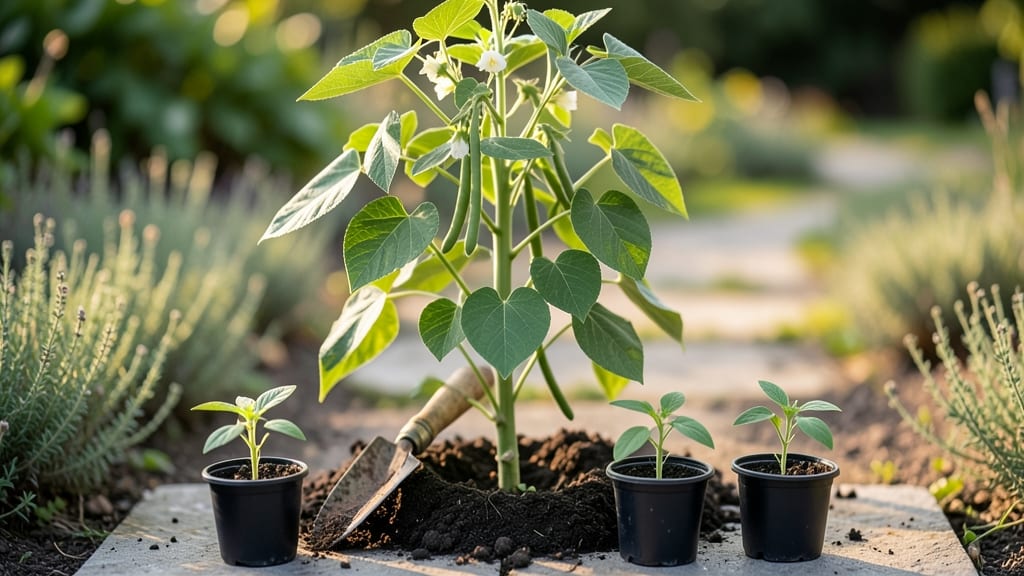
Planting green beans in Zone 5 after the last frost and when soil warms to 60°F ensures a thriving harvest 🌱 — a window that lasts from mid-April through early June for spring plantings.
If you’ve ever watched your green beans bolt in the heat or wilt under a late frost, you know timing is everything. Zone 5’s unpredictable swings mean the difference between a garden full of crisp pods and a sad, stunted crop.
Below, I break down the exact soil temperature thresholds, frost-free timelines, and how to stretch your harvest with late-summer plantings. Whether you’re growing bush beans or pole varieties, these tips will keep your plants happy and productive all season.
You’ll also discover how to adjust for early vs. late varieties, avoid common mistakes, and even extend your harvest into fall with the right strategies. Let’s get those beans in the ground at the perfect moment!
Zone 5 green bean planting timeline by soil temperature (with exact dates)
Green beans are one of my favorite cool-season crops, but they demand precise timing in Zone 5 to avoid frost damage. The key is planting when soil temperatures reach 50-60°F, as seeds won't germinate properly in colder soil.
In Zone 5, this means waiting until after the last frost date (typically around May 15) but before summer heat sets in.
For a successful harvest, I focus on two planting windows: early spring (April-May) and late summer (July-August). Each window serves different varieties—bush beans for quick harvests and pole beans for extended production. Let's break down the exact dates and soil conditions for each approach.
Soil temperature is your best indicator—never plant when soil is below 50°F, or seeds may rot. I use a soil thermometer to confirm warmth before sowing. For bush beans, aim for 55-60°F, while pole beans prefer slightly warmer 60-65°F soil to support their climbing growth.
| Planting Window | Soil Temp (°F) | Varieties | Frost Risk | Harvest Window |
|---|---|---|---|---|
| Early Spring (April 15 - May 15) | 50-60°F | Bush: 'Blue Lake', 'Contender' Pole: 'Kentucky Wonder' |
Moderate (use row covers) | June - August |
| Late Spring (May 15 - June 1) | 60-65°F | Bush: 'Provider' Pole: 'Rattlesnake' |
Low (post-frost) | July - September |
| Late Summer (July 15 - August 15) | 60-65°F | Heat-tolerant: 'Blue Lake Bush', 'Purple Podded' | High (first frost risk) | September - October |
My early spring planting (April 15-May 15) targets bush beans like 'Blue Lake', which mature in just 50-55 days. I plant these 1 inch deep in rows spaced 18 inches apart, with seeds 2 inches apart.
For pole beans, I use trellises to save space and extend harvests by 3-4 weeks.
If you're eager for an early harvest, consider cold-hardy varieties like 'Contender' and use black plastic mulch to warm the soil faster. I've found that planting 1-2 weeks after the average last frost date (May 15) gives seeds enough time to germinate before summer heat arrives.
For late summer plantings (July-August), I switch to heat-tolerant varieties such as 'Purple Podded' beans. These varieties handle 80°F+ temperatures better and produce pods until the first frost (around September 15). I plant these 1-2 weeks before the first frost to maximize the 60-day harvest window.
One of my favorite tricks is succession planting every 2 weeks from May through July. This ensures a continuous harvest from June through October. I mark my calendar to plant pole beans first (they take longer to mature) followed by bush beans for quicker turns.
Always monitor your local frost dates—they can vary by 1-2 weeks even within Zone 5. I check the National Weather Service for my specific county to fine-tune my schedule. For example, Chicago's last frost is often later than Des Moines', so I adjust accordingly.
Pro tip: If an unexpected frost threatens, cover your plants with frost blankets or row covers. I've saved entire harvests this way! Just remember to remove covers during the day to prevent heat stress from trapped warmth.
With these soil temperature guidelines and frost-aware planting, you'll enjoy fresh green beans from June through October—no wasted seeds or missed harvests! 🌱
How to adjust planting for early vs. late harvests in Zone 5
Zone 5 gardeners face a unique challenge with green beans—frost can wipe out plants in days, but late summer heat stresses others. The key is balancing cold-hardy varieties with succession planting to stretch your harvest.
I’ve learned that early plantings need protection, while late sowings demand heat tolerance. Let’s break down how to do both successfully.
For early harvests (May-June), focus on cold-tolerant varieties like ‘Blue Lake’ or ‘Contender’ that survive light frosts. These can handle soil temps as low as 50°F and give you pods before summer’s peak heat.
Meanwhile, late plantings (July-August) should use heat-resistant types like ‘Blue Lake Bush’ or ‘Kentucky Wonder’ to avoid wilting in 80°F+ weather.
🌱 5 Key Adjustments for Zone 5 Green Bean Planting
- 1. Early Planting (April-May): Use row covers until soil warms to 60°F—this buys 2-3 weeks of frost protection. Plant bush beans first (faster maturity).
- 2. Succession Plant Every 2 Weeks: Sow new seeds every 14 days through June 1 for staggered harvests. Pole beans take longer to mature, so plant them 3 weeks after bush beans.
- 3. Late Summer Sowing (July-August): Choose heat-tolerant varieties like ‘Rattlesnake’ or ‘Provider’ that thrive in 75-85°F soil. Plant after July 15 to avoid early frost.
- 4. Extend with Row Covers: Use floating row covers over late plantings to delay frost by 3-4 weeks. Remove during daylight to prevent heat stress.
- 5. Adjust Watering for Heat: Late plantings need deep watering 2x/week to prevent blossom drop. Mulch with straw to retain moisture.
My biggest lesson? Don’t rely on one planting. I once lost my entire crop to a late May frost because I planted too early. Now, I space plantings every 2 weeks and use cold frames for the earliest seeds.
This ensures a 6-8 week harvest window instead of a single flush.
For late-season success, I swear by ‘Blue Lake Bush’—it handles heat better than most varieties. Plant it after July 1 when nighttime temps stay above 60°F. Pair it with drip irrigation to keep roots cool during heatwaves. The result? Pods until mid-October in my garden.
Pro tip: Test soil temps weekly with a thermometer. Green beans won’t germinate below 55°F, and pole beans need 65°F+ for vigorous growth. If your soil is cold, wait—rushed plantings lead to leggy, weak plants that bolt in heat.
By combining early cold-hardy varieties, succession sowing, and late-season heat lovers, you can enjoy fresh green beans from June through October in Zone 5. It’s all about working with your climate, not against it. 🌱