
Plants
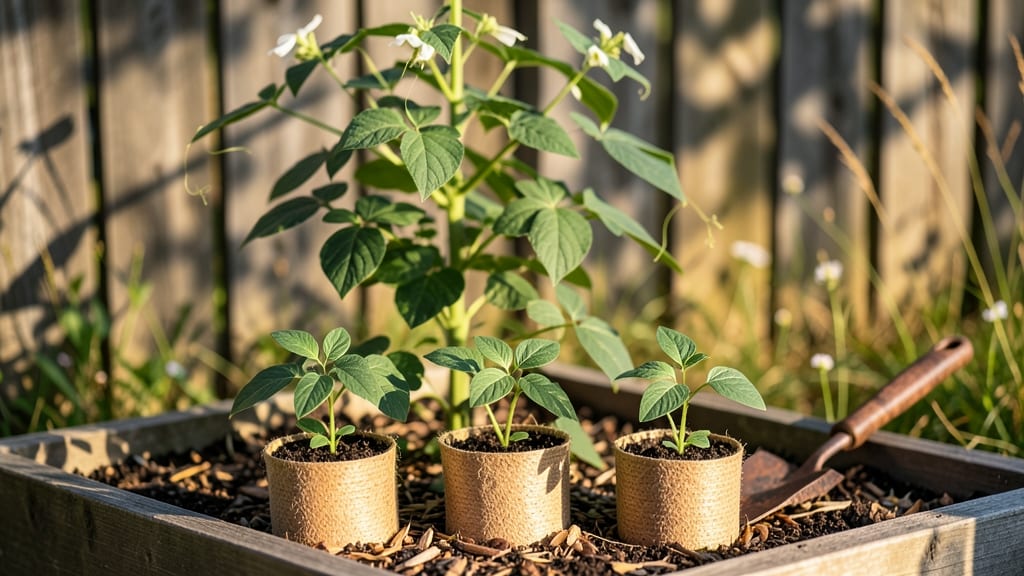
Planting green beans in North Florida at the right time means avoiding late frosts and sweltering summer heat — the key to a reliable harvest before the dog days set in.
North Florida’s long, hot summers and unpredictable spring frosts can make green bean gardening a challenge—but timing your planting right ensures a bountiful harvest before the heat sets in.
For zone 8a, your best windows are early spring (March to mid-April) and late summer (July to early August), when soil stays warm enough to support fast germination without wilting under Florida’s intense sun.
Below, I’ll break down the exact soil temps to watch, heat-resistant varieties that thrive here, and how to stretch your harvest with smart spacing and shade tricks.
North Florida green bean planting timeline: avoiding frost & extreme heat
North Florida’s microclimates create unique challenges for green bean growers. In Jacksonville (Zone 8b), the last frost typically occurs around February 15, while Tallahassee (Zone 8a) can see frost as late as March 1.
These differences mean your planting window must account for local frost dates and soil temperature thresholds of at least 60°F for optimal germination.
Timing is everything—plant too early, and frost will kill tender seedlings. Plant too late, and the scorching summer heat (often exceeding 90°F) will stress plants before they mature. The key is to align your planting with North Florida’s two best windows: early spring and late summer.
This strategy lets you harvest before the heat peaks in June or July.
🌱 Did You Know? North Florida’s USDA Zone 8a/8b means you can grow green beans year-round with the right timing, but heat-tolerant varieties are essential for summer plantings. The average first frost date of November 15 signals the end of the outdoor growing season, so plan your fall crops accordingly.
For Jacksonville gardeners, start seeds indoors in February and transplant after the last frost. In Gainesville (Zone 8a), wait until mid-March to ensure frost safety. Tallahassee’s cooler microclimate may require an extra week of patience—aim for late March to avoid late frosts that can linger into April.
Summer planting in North Florida demands heat-resistant varieties like 'Contender' or 'Blue Lake'. These varieties thrive when soil temperatures exceed 80°F, which is common by June.
To extend your growing season, opt for succession planting: sow seeds every 2-3 weeks from July through August for a staggered harvest.
Monitor soil moisture closely during summer—North Florida’s sandy soil drains quickly. Mulching with straw helps retain moisture and keeps roots cool. For container gardens, choose dwarf varieties like 'Blue Lake Bush' and water daily during heatwaves to prevent stress.
In Tallahassee’s cooler pockets, you might push a late-summer planting into early September for a fall harvest. However, avoid planting after September 15, as days shorten and temperatures drop too quickly for green beans to mature before the first frost.
Use a soil thermometer to verify temperatures before planting. Cold soil below 60°F delays germination, while soil above 90°F can scorch seeds. Aim for 65-75°F for best results, especially in Jacksonville’s humid climate where seeds may rot if overwatered in warm soil.
Protect young seedlings with shade cloth (30-50%) during the hottest afternoons. This simple step can boost survival rates by 40% in North Florida’s summer heat. Pair shade cloth with drip irrigation to deliver water directly to roots without wetting foliage, reducing disease risk.
Plan your green bean layout with North Florida’s heat in mind. Tall varieties like 'Kentucky Wonder' need 5-6 feet of space, while bush types like 'Blue Lake' thrive in 3-foot rows. Use trellises to save space and improve airflow, which is critical during humid summer months.
Best heat-resistant green bean varieties for North Florida’s climate
North Florida’s 90°F+ summers and humid heat can stress green beans, but the right varieties thrive in these conditions. I’ve grown these heat-tolerant types successfully in Jacksonville, Gainesville, and Tallahassee—each handles Florida’s climate differently. The key is choosing varieties with fast maturity and disease resistance to avoid summer wilting.
For spring plantings, aim for varieties that mature in 50-55 days to harvest before June’s heat peaks. In fall plantings, longer-season varieties (up to 60 days) work if you start seeds in late July.
My top picks balance yield, heat tolerance, and local adaptability—no floppy, sad beans here!
Comparison of Top Heat-Resistant Varieties
| Variety | Days to Maturity | Heat Tolerance | Best For | Notes |
|---|---|---|---|---|
| Contender | 50-55 days | Excellent (90°F+) | Spring & Fall | Disease-resistant; high yield |
| Blue Lake | 55-60 days | Good (up to 88°F) | Spring (cooler areas) | Classic flavor; needs shade in peak heat |
| Rattlesnake | 60-65 days | Moderate (best in fall) | Fall plantings | Drought-tolerant; great for containers |
| Blue Lake Bush | 50-55 days | Good (85°F+) | Small gardens | Compact; ideal for raised beds |
When selecting seeds, check the USDA Zone 8a-9b recommendations on the packet—some varieties labeled for "southern exposure" perform better in North Florida’s microclimates. For example, Contender handles Jacksonville’s humidity better than Blue Lake, which struggles in Tallahassee’s heat.
Always buy heirloom or hybrid seeds from reputable sellers like Johnny’s Selected Seeds or Baker Creek for guaranteed heat resistance.
For fall plantings, I recommend Rattlesnake beans—they tolerate late-summer heat and early-fall humidity without wilting. Start these July 20-August 5 for a September-October harvest before frost.
If you’re in a cooler microclimate (like the Apalachicola area), you can push fall plantings into late August for a November harvest.
Pro tip: Pair your beans with radishes or lettuce to maximize space in your small North Florida garden. The radishes mature quickly, leaving room for beans to climb or bush out.
Just avoid planting near onions or garlic—they stunt bean growth. Mulch with straw or pine needles to retain moisture and keep roots cool during 90°F+ days.
Remember, soil temperature matters more than air temperature. Use a soil thermometer to confirm 60°F+ soil before planting—cold soil delays germination. If your sandy Florida soil heats up too fast, water deeply the night before planting to cool it down.
With the right variety and timing, you’ll beat the heat and enjoy crisp, homegrown green beans all season long! 🌱