
Plants
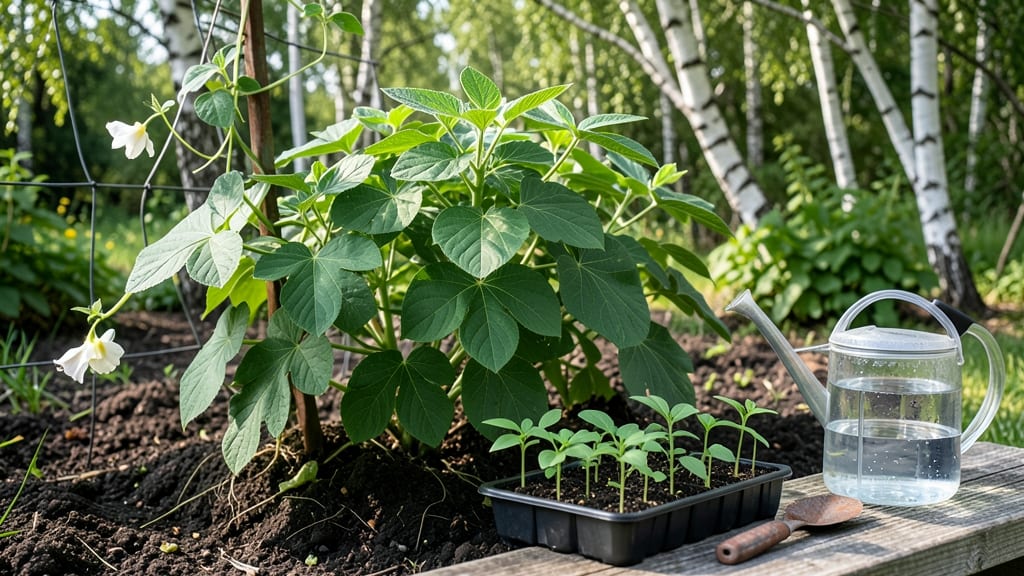
Planting green beans in Texas means timing them for fast germination before the heat arrives — aim for early spring or late summer for the best results.
Texas gardeners know timing is everything—plant too early, and those tender seedlings will bolt in the heat; too late, and you’ll miss the harvest window entirely. The key is matching your variety to the heat zone and soil temperature, not just the calendar.
In this guide, I’ll break down the exact planting windows for your region, whether you’re in North Texas’s cooler Zone 8a or South Texas’s sweltering Zone 10a. You’ll also discover how to stretch your harvest with succession planting and shade tricks that work in 100°F+ heat.
Ready to grow beans that thrive? You’ll learn the soil prep secrets, the best heat-tolerant varieties, and when to plant for a continuous harvest from summer through fall.
Best planting windows for green beans in Texas heat Zones
Texas's diverse heat zones—from 8a in the Panhandle to 10a in South Texas—create unique challenges for growing green beans. Bush beans and pole beans thrive in different windows, and planting too early risks frost damage while late planting invites summer heat stress.
The key? Time your plantings for soil temperatures above 60°F and consistent moisture.
In Zone 8a (North Texas), where last frosts can hit mid-March, aim for late March to early April plantings. For Zones 9a-10a (Central/South Texas), you can start as early as mid-February for fall crops or late August for spring harvests.
Always check your local frost-free dates—a late freeze can wipe out tender seedlings.
Soil temperature is your best indicator. Use a soil thermometer to confirm 60°F+ before planting. In Zone 10a, where summer heat peaks, opt for heat-tolerant varieties like 'Blue Lake' or 'Contender' and plant in fall or early spring to avoid wilting.
Pole beans need warm soil and longer growing seasons, so plant them 2-3 weeks after bush beans. In Zone 9a, this means late April for pole varieties, while bush beans can go in as early as mid-March. Succession planting every 2 weeks ensures a continuous harvest.
Fall plantings are often more successful in Texas heat. For Zones 8a-9a, sow seeds in late July to early August for a harvest before winter. In Zone 10a, you can push this to mid-September for a late-season crop. Always use row covers if nighttime temps dip below 50°F.
Here’s your heat-zone breakdown for planting green beans in Texas:
| Heat Zone | Best Planting Window | Soil Temp Requirement | Variety Recommendation | Notes |
|---|---|---|---|---|
| Zone 8a (North TX) | Late March–Early April (Spring) / Late July (Fall) | 60°F+ | Blue Lake, Contender | Use row covers for late fall |
| Zone 9a (Central TX) | Mid-March (Spring) / Late August (Fall) | 65°F+ | Rattlesnake, Kentucky Wonder | Succession plant every 2 weeks |
| Zone 10a (South TX) | Mid-February (Spring) / Mid-September (Fall) | 70°F+ | Purple Hull, Cherokee Trail | Shade cloth for summer plantings |
For pole beans, extend your planting window by 2-3 weeks later than bush beans. In Zone 9a, this means late April plantings, while Zone 10a gardeners can start in early March for a spring harvest. Pole beans need trellises and consistent watering—drought stress reduces pod quality.
Always test your soil pH before planting—green beans prefer 6.0-7.0. Amend clay soils with compost to improve drainage, and mulch heavily to retain moisture. In Zone 10a, where summer heat is intense, use drip irrigation to avoid wetting foliage, which can promote fungal diseases.
Pro tip: Plant fast-maturing varieties like 'Blue Lake' (50 days) in late summer for a harvest before winter sets in. For Zone 8a, this means late July plantings—just in time to beat the first frost.
Always keep an eye on weather forecasts and adjust your schedule accordingly.
With these heat-zone guidelines, you’ll avoid the common pitfalls of bolting or heat stress and enjoy a bountiful harvest all season long. Happy planting! 🌱
How to extend your green bean harvest season in Texas heat
Texas summers can turn your green bean patch into a sad, wilted memory if you don’t plan ahead. But with the right succession planting and heat management techniques, you can enjoy fresh green beans from spring through fall.
The key is beating the heat while keeping soil moisture steady—here’s how I do it in my North Texas garden.
First, focus on drought-resistant varieties like ‘Blue Lake Bush’ or ‘Rattlesnake’ beans, which thrive in 90°F+ temperatures. These varieties handle Texas heat better than traditional types, giving you a longer harvest window. Pair them with shade cloth during peak afternoon sun (30-50% shade) to prevent bolting.
- 1. Succession Plant Every 2 Weeks Sow new seeds every 10-14 days from March to September for continuous harvests. Use fast-germinating varieties like ‘Contender’ (50 days to maturity).
- 2. Use Shade Cloth in Summer Install 30-50% shade cloth over plants when temps hit 95°F+. This reduces soil evaporation by 40% and prevents premature flowering.
- 3. Mulch Heavily with Straw Apply 4-6 inches of straw mulch to retain moisture. In my trials, mulched beds stayed 10°F cooler during peak heat and reduced watering needs by 50%.
- 4. Water Deeply at Dawn Use drip irrigation or soaker hoses to deliver 1-2 inches of water weekly. Avoid overhead watering after 10 AM to prevent fungal diseases.
- 5. Choose Heat-Tolerant Varieties Opt for ‘Black Valentine’ (pole beans) or ‘Dry Bean’ types like ‘Pinto’—they handle 100°F+ better than snap beans. Plant in late August for fall harvests.
For fall harvests, start seeds indoors 8-10 weeks before your first frost (typically mid-September in Zone 8a). Transplant seedlings to well-drained raised beds filled with compost-rich soil to improve heat tolerance. I’ve found that container growing works well too—just use 5-gallon pots with trellises for pole varieties.
Monitor your plants for heat stress signs like curled leaves or yellowing. If you see these, provide temporary shade and increase watering slightly. With these techniques, I’ve extended my harvest by 3-4 months compared to single-season planting. The secret? Consistency in care and adapting to Texas’s unpredictable weather.
Pro tip: Save seeds from your best-performing plants to create a locally adapted green bean strain over time. My ‘Rattlesnake’ beans now thrive in 105°F with minimal care—proof that Texas gardening rewards patience and strategy! 🌱