
Plants
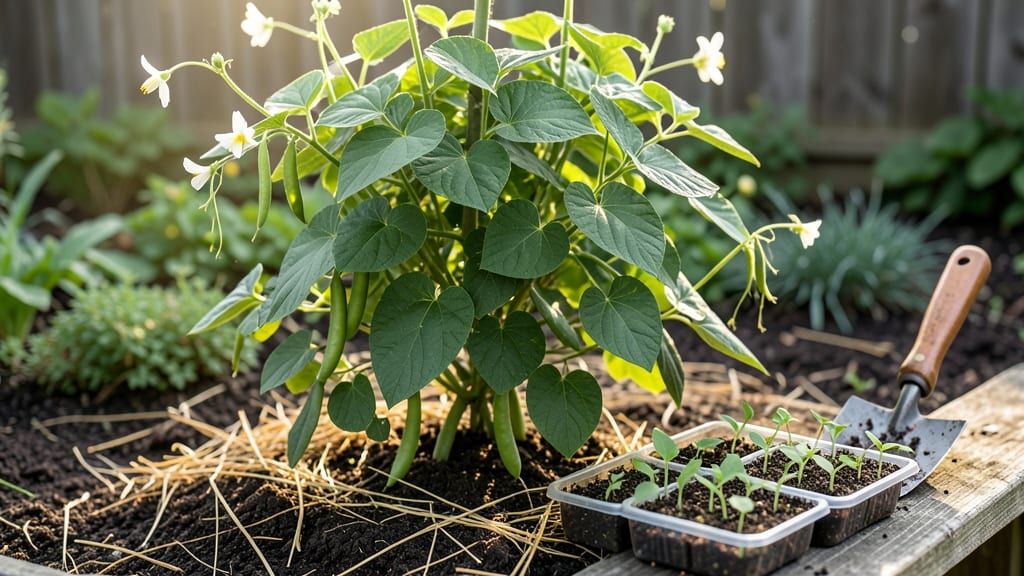
Planting green beans in South Carolina at the right time means the difference between a bountiful harvest and wasted seeds 🌱.
If you're dreaming of a bountiful green bean harvest in South Carolina, timing is everything—plant too early and frost will ruin your crop, too late and summer heat may stunt growth. Mastering the frost-free window by zone ensures your beans thrive from seed to pod.
In USDA Zones 7B-8A, your best bet is to start seeds indoors 4-6 weeks before the last frost date (usually mid-March) or direct-sow after soil warms to 60°F. Fall plantings should begin by late July for a September-October harvest before the first frost hits.
Below, I’ll break down the exact planting windows by region, soil prep tips, and how to stretch your harvest season—so you can enjoy fresh green beans all summer long.
South Carolina green bean planting dates by USDA hardiness zone
South Carolina's USDA Zones 7B-8B offer two prime windows for growing green beans—spring and fall—each with distinct frost risks and temperature challenges. In Zone 7B (Columbia), the last frost typically arrives by March 15, while Zone 8B (Charleston) enjoys a 30-day earlier frost-free start.
Timing your plantings around these averages maximizes your harvest potential.
For spring plantings, aim to sow seeds 2-3 weeks after your area's last frost date. In Greenville (Zone 7B), this usually means mid-March to early April, while Charleston (Zone 8B) gardeners can start as early as late February.
The key is waiting until soil temperatures consistently reach 60°F (15°C)—cold soil slows germination and stunts early growth.
Fall plantings require equal precision. Start seeds 8-10 weeks before your first expected frost (typically mid-November in most areas). This translates to late July to early August for Zone 7B and early to mid-August for Zone 8B.
Fall beans need time to mature before cooler weather sets in, so don't wait too long—late August plantings may produce small yields before frost arrives.
| Zone & Location | Last Frost Date | Spring Planting Window | Fall Planting Window | Soil Temp Requirement |
|---|---|---|---|---|
| Zone 7B (Greenville) | March 15 | Mid-March to early April | Late July to early August | 60°F (15°C) |
| Zone 7B (Columbia) | March 10 | Late March to mid-April | Late July to early August | 60°F (15°C) |
| Zone 8B (Charleston) | February 25 | Late February to early March | Early to mid-August | 60°F (15°C) |
| All Zones | First Frost: Mid-November | 2-3 weeks after last frost | 8-10 weeks before first frost | 60°F minimum |
Choose early-maturing varieties (50-55 days to harvest) for spring plantings to avoid summer heat stress. Examples include 'Blue Lake' or 'Contender', which thrive when temperatures stay below 85°F (29°C).
For fall, opt for heat-tolerant bush beans like 'Provider' or 'Kentucky Wonder', which can handle the transition from summer to cooler weather.
In Zone 8B areas like Charleston, you can even try succession planting every 2 weeks from March through May to stretch your harvest. Start with pole beans for vertical space savings and higher yields. Just ensure your trellis is 6 feet tall—these vines grow fast!
Monitor soil moisture closely after planting, as inconsistent watering causes blossom-end rot or stunted growth. Green beans need 1-2 inches of water weekly, delivered in the morning to prevent fungal diseases. Mulch with straw or grass clippings to retain moisture and regulate soil temperature.
Watch for Mexican bean beetles in late summer—they skeletonize leaves and reduce yields. Handpick adults and drop them in soapy water, or use row covers for early plantings. Organic neem oil sprays also work well as a preventative measure.
For container growing, use 5-gallon pots with well-draining soil and plant 2-3 seeds per container. Containers warm up faster than garden beds, so you can start 1-2 weeks earlier than in-ground plantings. Just ensure pots get full sun (6+ hours daily) and avoid placing them in windy spots.
Remember: Frost dates vary yearly, so check your local Cooperative Extension Service for updates. Even a light frost (28°F/-2°C) can damage young plants, so have row covers ready for unexpected cold snaps in early spring or late fall.
How to extend your green bean harvest season in SC
South Carolina's long growing season lets you enjoy fresh green beans nearly year-round, but maximizing your harvest requires smart planning. The key is succession planting—staggering your plantings to ensure a steady supply of pods from spring through fall.
With the right heat-tolerant varieties and season-extending tools, you can turn your garden into a green bean powerhouse.
Most gardeners focus on spring plantings, but fall crops often produce just as well—if you time them right. By combining direct sowing with indoor seed starts, you can create overlapping harvest windows that keep your kitchen stocked.
The secret lies in understanding your local frost dates and microclimates, especially in SC's varied zones from Charleston to Greenville.
- Succession Planting: Sow seeds every 2-3 weeks from March to July for continuous harvests. Use short-season varieties (50-55 days) like 'Blue Lake' for quick turns.
- Heat-Tolerant Varieties: Choose drought-resistant types like 'Contender' or 'Masai' for summer plantings. These thrive in 90°F+ temperatures when other varieties bolt.
- Fall Planting Window: Start seeds indoors 6-8 weeks before your first frost (mid-November) for late summer/fall harvests. Direct sow outdoor seeds by August 1 for fall crops.
- Cold Frames: Extend fall harvests by 4-6 weeks using low tunnels or cold frames. Protect plants until November 15 in most SC zones to capture late-season pods.
- Soil Prep: Amend beds with compost before planting to improve drainage. Green beans hate soggy soil—raise beds in Zone 8A areas where summer rains persist.
For fall crops, begin indoor seed starting in early July to give seedlings a head start before transplanting outdoors in August. Use grow lights if natural light is limited, and harden off seedlings for 1 week before moving them to the garden.
In SC's heat, shade cloth (30-50%) can prevent bolting during summer plantings, giving you a second chance at harvests when temperatures peak.
Don't overlook pole beans like 'Kentucky Wonder'—they climb, saving space and producing more pods per plant. Train them on trellises to improve air circulation and reduce disease risk.
Pair them with bush beans for a staggered harvest: bush varieties mature faster (45-50 days) while pole beans keep producing for 60+ days.
Monitor your garden's microclimates—south-facing beds warm up faster and are ideal for early spring or late fall plantings. If your area gets humid summer nights, choose disease-resistant varieties like 'Tendergreen' to avoid fungal issues.
Mulch heavily with straw to retain moisture and regulate soil temperature during SC's unpredictable weather swings.
With these strategies, you can enjoy fresh green beans from late May through October—or even longer with cold frames.
The key is planning ahead: mark your calendar for spring succession plantings (March-July) and fall prep (July-August), and always keep a few extra seeds on hand for unexpected harvest gaps.