
Planting
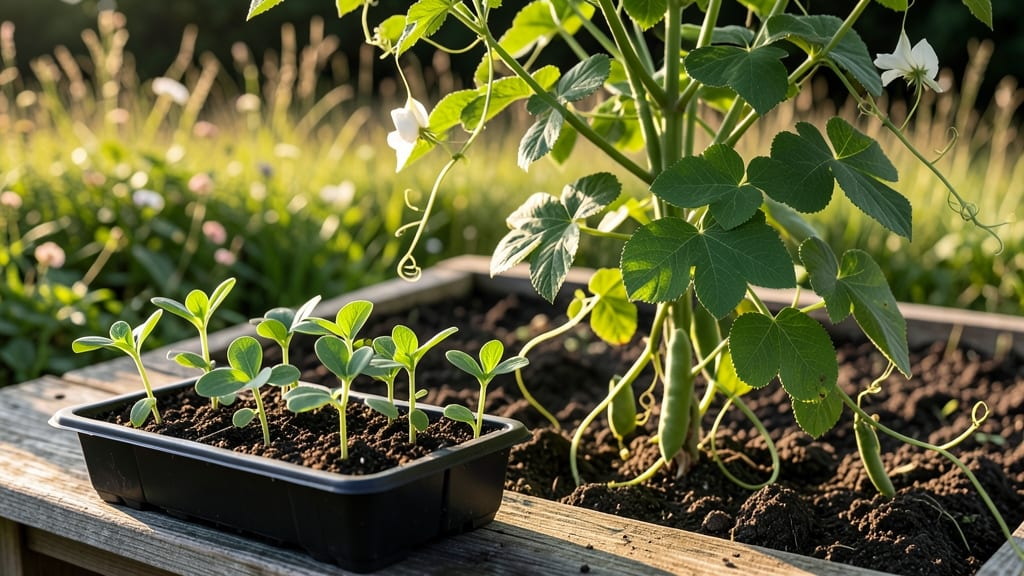
Planting kidney beans starts with warm soil and a little patience—these fast-germinating seeds reward you with sturdy roots in just 5-7 days. 🌱 I learned the hard way that skipping soil prep means weak starts, but the right conditions turn them into a foolproof garden staple. The secret?
Loose, well-draining soil and consistent moisture right from the moment you plant. For bush varieties, space seeds 4 inches apart in rows 18-24 inches apart, while pole beans need 4-6 inches between seeds and 4-5 feet between rows.
Plant seeds 1 inch deep—deeper than most people think—and keep the soil warm (at least 60°F). If your spring nights are chilly, wait until after the last frost or use row covers to speed things along.
Once sprouted, water at the base 1 inch per week, avoiding wetting the leaves to prevent fungal issues. Within 6-8 weeks, you’ll see those first pods forming—thin, pale, and full of promise.
The key to a bountiful harvest? Consistency: water regularly, watch for pests, and give them something to climb (for pole beans) or plenty of room to bush out.
This method works for both bush and pole varieties, whether you’re growing in raised beds, containers, or straight in the ground. The best part? Kidney beans fix nitrogen in the soil, so they actually improve your garden for next year. Ready to grow your own?
Let’s get those seeds in the ground!
📚 In This Guide
- What you need
- Instructions
- Tips and common mistakes
- Wrapping up and next steps
What you need
- ● Kidney bean seeds: 1–2 lbs (or ~50–100 seeds, depending on your garden size). Choose heirloom varieties like Black Valentine or King of the Garden for best results.
- ● Well-draining potting mix or garden soil: 5–10 lbs (or enough to fill your planting containers). Amend with compost for nutrient-rich soil.
- ○ Fertilizer (optional but recommended): 5-10-10 all-purpose fertilizer (1 tbsp per plant at planting time).
- ● OR organic options like worm castings or compost tea.
- ● Garden trowel or hand shovel (for digging holes or trenches).
- ● Measuring tape or ruler (to space seeds 4–6 inches apart, rows 18–24 inches apart).
- ● Watering can or hose with a gentle spray nozzle (kidney beans need consistent moisture but hate soggy soil).
- ○ Row covers or trellis (optional): To protect young plants from pests or support climbing varieties.
- ● Mulch (straw or grass clippings) (1–2 inches thick to retain moisture and suppress weeds).
- ● A sunny location with 6–8+ hours of direct sunlight daily (kidney beans are sun-worshippers!).
- ● Soil temperature of 60–85°F (15–29°C)—wait until after the last frost if planting outdoors.
- ● Well-drained soil (kidney beans hate waterlogged roots—raise beds if needed!).
Step-by-Step instructions for planting kidney beans
Fast germination and strong roots are the keys—here’s how to get reliable harvests every time.
🌱 Step 1: Choose the Right Location and Soil Conditions
Kidney beans thrive in full sun with at least 6-8 hours of direct light daily. Pick a spot where the soil warms quickly in spring—these beans won’t germinate well in cold soil. I test soil temperature with my finger: if it feels warm enough to hold comfortably for 5 seconds, it’s ready.
Loosen the soil to a depth of 12 inches to encourage root penetration. Amend heavy clay with 2-3 inches of compost to improve drainage, since kidney beans hate soggy roots. A pH between 6.0 and 7.0 works best—test your soil if you’re unsure, as alkaline conditions stunt growth.
🌱 Step 2: Plant Seeds at the Correct Depth and Spacing
Drop 3-4 seeds per hill, 1 inch deep—deeper planting delays germination, while shallower seeds may dry out. Space hills 4-6 inches apart in rows that are 18-24 inches apart. I use a small stick to mark planting spots to avoid overcrowding, which leads to poor air circulation and disease.
After planting, water gently but thoroughly to settle the soil around the seeds. Avoid soaking the area—you want the soil moist but not waterlogged. Once the seeds sprout, thin to the 2-3 strongest plants per hill to give remaining plants room to develop strong vines.
☀️ Step 3: Provide Consistent Moisture and Support
Kidney beans germinate in 7-10 days when soil stays consistently moist. Water 1 inch per week, letting the top inch of soil dry slightly between waterings to prevent fungal issues. I use a rain gauge to track moisture—this ensures I don’t over- or under-water.
As vines grow, install 5-6 foot tall trellises or sturdy stakes to support climbing varieties. Tie vines loosely with soft twine or use spiral plant ties—tight bindings can damage stems. Watch for yellowing leaves, which signal either overwatering or nutrient deficiency. A balanced fertilizer with 5-10-10 ratio applied at planting time prevents early deficiencies.
✂️ Step 4: Monitor for Pests and Harvest at Peak Ripeness
Keep an eye out for bean beetles and aphids, which love tender young leaves. I spray affected plants with neem oil solution in the evening to avoid harming pollinators. Remove any yellow or spotted leaves immediately—they spread disease quickly.
Harvest begins when pods reach 2-3 inches long and turn a deep red or brown color. Pick every 2-3 days to encourage continuous production. Twist pods gently to avoid damaging the vine. If left too long, beans toughen and lose flavor—this is the fastest way to ruin a harvest.
Tips & tricks for planting kidney beans
Real talk: Fast germination isn't luck—it's technique. Here's how to turn those 7-10 days into reliable, speedy sprouts.
Soil Temperature Secret: That finger test for soil warmth in Step 1 is your best friend. If the soil feels cool to the touch, wait—cold soil delays germination by days. I've seen beans take 3 weeks to sprout when planted in chilly conditions. For fastest results, warm the soil with black plastic mulch a week before planting. This creates the ideal environment for those seeds to burst through quickly.
Germination Hack: Soak your seeds overnight before planting to jumpstart the process. Place them in a bowl of warm water for 8-12 hours, then drain and plant immediately. This trick can shave 2-3 days off your germination time while ensuring stronger roots. Just don't skip the 1-inch depth—those soaked seeds still need proper soil contact to establish themselves.
Support System: When installing your 5-6 foot trellises in Step 3, bury them at least 12 inches deep for stability. I've seen flimsy supports topple during storms, crushing precious vines. Use 2x4 lumber or metal stakes—whatever gives you peace of mind. For extra security, tie the base of each trellis to a ground anchor or heavy rock. This ensures your plants have the support they need to climb and produce without stress.
Harvest Timing: Those 2-3 inch pods in Step 4 are your sweet spot for flavor. Use a small ruler or measuring tape to check size—don't guess! I mark my calendar with harvest reminders every 2-3 days during peak season. The difference between tender, flavorful beans and tough, stringy ones comes down to this precise timing. Once pods turn completely brown, they're past their prime—harvest within 24 hours of that color change.
Pro Tips for Plant Kidney Beans
- Real talk: Fast germination isn't luck—it's technique. Here's how to turn those 7-10 days into reliable, speedy sprouts.
- Soil Temperature Secret: That finger test for soil warmth in Step 1 is your best friend.
- Germination Hack: Soak your seeds overnight before planting to jumpstart the process.
Frequently asked questions
Got questions about planting kidney beans?
You’re not alone! Here are answers to the most common queries to help you grow a thriving crop with confidence.
How long does it take for kidney beans to germinate?
Kidney beans typically sprout within 5–14 days, depending on soil temperature and moisture. Warmer soil (70–85°F) speeds up germination—keep seeds consistently moist but not waterlogged for best results. Patience pays off!
When is the best time to plant kidney beans?
Plant kidney beans after the last frost when soil temperatures reach at least 60°F (15°C). In most regions, this means late spring to early summer. Avoid planting too early—they won’t germinate in cold soil.
Can I plant kidney beans in containers?
Kidney beans thrive in 5-gallon containers or larger with at least 12–18 inches of depth. Use well-draining soil, provide a trellis for climbing varieties, and ensure containers get 6–8 hours of sunlight daily. Dwarf varieties work well in pots!
What should I do if my kidney bean plants get pests?
Common pests like aphids or bean beetles? Try these fixes:
- Handpick larger pests (like beetles) in the morning.
- Spray with neem oil or insecticidal soap for aphids.
- Encourage beneficial insects (ladybugs, lacewings) by planting marigolds nearby.
Are kidney beans easy to grow for beginners?
Yes! Kidney beans are low-maintenance and fast-growing, making them perfect for beginners. They fix nitrogen in the soil, reducing the need for fertilizers. Just ensure they get full sun and consistent water—no fuss required!
Wrapping up and next steps
Planting kidney beans is a rewarding journey that yields delicious, nutrient-packed harvests with minimal fuss! 🌱 By following these simple steps—choosing the right seeds, preparing the soil, and providing consistent care—you’ll enjoy a bountiful crop in no time.
Whether you’re a seasoned gardener or a beginner, kidney beans are a fantastic choice for fast-growing, low-maintenance success.
Now that you’re ready to plant, why not take the next step? Try experimenting with companion planting (like pairing them with corn or squash) or saving seeds for future harvests. Happy gardening—your kitchen (and taste buds) will thank you! 🌟