
Planting
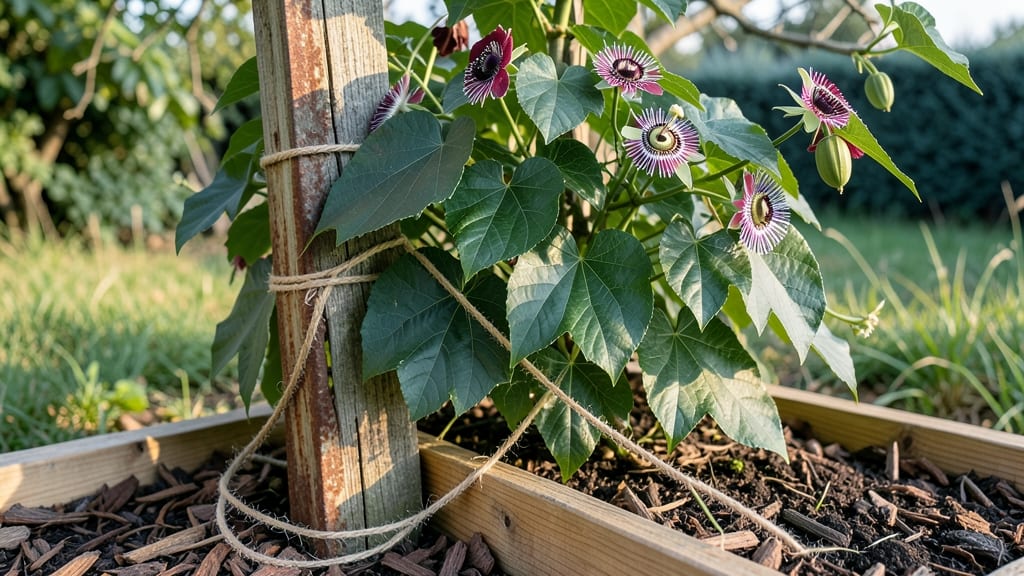
Planting Three Sisters—corn, beans, and squash—transforms a single bed into a thriving ecosystem that feeds both you and the soil. 🌽 I learned this ancient technique after struggling with poor harvests in separate rows, and once I tried it, I never went back to conventional planting again.
The three plants support each other: corn provides structure, beans fix nitrogen, and squash shades the soil, creating a self-sustaining cycle that even beginners can master.
The magic starts with soil prep: enrich it with compost before planting, then arrange the corn in the center as your tallest "trellis." Plant beans at the base of each corn stalk—these will climb and feed the soil—while tucking squash vines around the outer edges.
The spacing is simple: 12 inches apart for corn, 4-6 inches for beans, and 2-3 feet for squash, leaving enough room for all three to thrive without competing. This layout mimics nature’s own design, where every plant plays a role.
By midsummer, you’ll see the system in action: beans climbing the cornstalks, squash leaves spreading to suppress weeds, and roots working together to keep the soil fertile. The harvest isn’t just abundant—it’s longer-lasting, with corn silking in July, beans producing pods through August, and squash ripening into fall.
Plus, you’ll spend less time weeding and watering because the plants regulate each other’s needs.
This method works in any climate that supports these crops, from short-season zones to warm regions—just adjust planting times to match your frost dates. Whether you’re growing for food, sustainability, or the joy of watching nature’s teamwork, the Three Sisters garden delivers results that feel almost magical.
Ready to plant your first bed?
📚 In This Guide
- What you need
- Instructions
- Tips and common mistakes
- Wrapping up and next steps
What you need
- ● Seeds: 1 lb corn seeds (heirloom varieties like Flint or Pawnee work best; choose a variety suited to your climate zone).
- ● ½ lb pole beans (e.g., Scarlet Runner or Kentucky Wonder—these climb the corn stalks!).
- ● ½ lb squash seeds (butternut, acorn, or Winter Crookneck; avoid vining varieties like zucchini for compact growth).
- ● Garden Space: A raised bed, mound, or hill at least 3 ft wide × 4 ft long × 12 in deep (or a circular bed with a 3-ft diameter).
- ● Soil: Well-draining, nutrient-rich soil with a pH of 6.0–7.0. Mix in 2–3 inches of compost before planting.
- ● Water: Consistent access to water (a drip irrigation system or hose with a gentle spray nozzle is ideal).
- ● Basic Tools: Garden trowel or hand fork
- ● Hoe or cultivator
- ● Pruners (for trimming squash vines if needed)
- ○ Optional (But Helpful!): Mulch (straw or leaves to retain moisture and suppress weeds)
- ● Organic fertilizer (e.g., fish emulsion or compost tea for mid-season boosts)
- ● Trellis or stakes (if growing bush beans instead of pole beans)
- ● Row cover or shade cloth (to protect young seedlings from pests or heat)
- ● Warm soil temperatures (60°F+)—wait until after the last frost in your area.
- ● Sunlight: Full sun (6–8 hours daily) for optimal growth.
- ● Patience! The Three Sisters take 90–120 days to mature.
Step-by-Step instructions for planting the Three Sisters garden
This ancient companion planting method creates a self-sustaining ecosystem—here's how to plant it right.
🌱 Step 1: Prepare the Planting Bed and Soil
Choose a sunny, well-draining location with at least 6 hours of direct sunlight daily. Clear the area of weeds and loosen the soil to a depth of 12 inches using a broadfork or garden fork. The Three Sisters thrive in rich, fertile soil, so mix in 3-4 inches of compost or aged manure before planting. This ensures the squash vines have room to spread while corn and beans get the nutrients they need.
Here's the thing—this isn't just about planting. The key is soil structure. Break up any compacted layers so roots can penetrate easily. If your soil drains poorly, add a 1-inch layer of coarse sand or perlite to improve aeration. You'll know you've done it right when the soil crumbles easily between your fingers and looks dark, crumbly, and moist.
🌿 Step 2: Plant the Corn First (The "Sister" That Holds It All Together)
Plant 4-5 corn seeds in a small circle (about 12 inches in diameter)—this mimics the traditional planting method. Space seeds 1 inch deep and 2 inches apart within the circle. Corn acts as the vertical support for beans and the shade provider for squash. You'll see first true leaves in about 7-10 days, signaling it's time to thin.
Once the corn reaches 6-8 inches tall, thin to the strongest 3-4 plants in the circle. Snip the weaker seedlings at the base with scissors—don't pull them to avoid disturbing the roots of the remaining plants. This creates a natural trellis while giving beans something to climb. Watch for silk emergence (the fuzzy strands at the top of the stalk)—this is your cue that pollination is underway.
💧 Step 3: Plant Beans Along the Corn Stalks (The "Sister" That Fixes Nitrogen)
When the corn is 12 inches tall, plant 4-5 bush bean or pole bean seeds around the base of each cornstalk, 1 inch deep and 2 inches apart. Beans will climb the corn while adding nitrogen to the soil, feeding the squash and corn naturally. Choose dwarf or bush varieties if space is limited—they'll stay compact but still provide the benefits.
Here's where it gets fun: the beans will self-seed if you let them, meaning next year's garden gets a head start. Water gently after planting to settle the soil around the seeds. You'll see first true leaves in 7-14 days, depending on your climate. If leaves yellow between veins, it's a sign of overwatering—let the soil dry slightly between waterings.
☀️ Step 4: Plant Squash at the Outer Edge (The "Sister" That Shades and Protects)
After the beans are 2-3 inches tall, plant 4-5 squash seeds (like butternut or zucchini) around the outer edge of the corn-bean circle, 1 inch deep and 3 feet apart. Squash vines spread wide, shading the soil to prevent weeds and retain moisture. Their large leaves also protect the corn and beans from pests like raccoons and deer.
Squash needs space to sprawl, so don't crowd it. If your bed is small, opt for bush varieties like pattypan squash. Mulch heavily with straw or leaves to keep the soil cool and moist. You'll know the squash is thriving when it starts vining aggressively—this is its way of claiming territory and suppressing weeds.
⏰ Step 5: Maintain and Harvest for a Bountiful Yield
Water the entire bed deeply 1-2 times per week, aiming for 1 inch of water total. The squash vines help retain moisture, but corn and beans still need consistent water—wilting leaves mean it's time to hydrate. Avoid overhead watering after the beans flower to prevent bacterial blight. Instead, water at the base in the early morning.
Harvest beans first when pods are firm and bright green (usually 50-60 days after planting). Pick squash when small—6-8 inches long for zucchini, 8-10 inches for butternut—to encourage more production. Save 1-2 ears of corn per stalk for drying or planting next year. The beauty of the Three Sisters is that everything supports everything else—when you harvest one, the others thrive.
Tips & tricks for planting the Three Sisters garden
Between us, these small details make all the difference in creating a thriving Three Sisters garden.
Soil Prep Secret: In Step 1, when you're loosening the soil to 12 inches deep, take an extra moment to feel for any hardpan layers below. These compacted layers can strangle roots—use a garden fork to break them up gently. I've seen gardens fail when corn roots hit hardpan at just 8 inches deep. Think of it like giving your plants a highway instead of a dirt road.
Corn Thinning Technique: Don't wait until the corn is 6-8 inches tall to thin—watch for the first true leaves (about 7-10 days after planting). Thin to 3-4 plants by snipping at the base with clean scissors. I learned this the hard way after pulling seedlings and disturbing the roots of my remaining plants. The corn you leave behind will grow stronger and provide better support for beans.
Bean Planting Timing: When planting beans around 12-inch tall corn in Step 3, wait until you see the first tassels emerging from the corn's top. This ensures the corn stalks are strong enough to support climbing beans. I've had beans topple over when planted too early—wait for those tassels to appear before planting. The beans will reward you by fixing nitrogen in the soil while climbing.
Squash Spacing Hack: In Step 4, when planting squash 3 feet apart, consider using a string or garden twine to mark the spacing before planting. Squash vines spread aggressively, and planting them too close can lead to competition. I've found that marking the spots first prevents overcrowding and makes harvesting easier later. The squash will thank you by producing more fruit when they have room to spread.
Pro Tips for Plant Three Sisters Corn Beans Squash
- Between us, these small details make all the difference in creating a thriving Three Sisters garden.
- Soil Prep Secret: In Step 1, when you're loosening the soil to 12 inches deep, take an extra moment to feel for any hardpan layers below.
- Corn Thinning Technique: Don't wait until the corn is 6-8 inches tall to thin—watch for the first true leaves (about 7-10 days after planting).
Frequently asked questions
Got questions about growing the Three Sisters? You’re not alone!
Here are some of the most common queries—and their answers—to help you plant with confidence.
Can I plant the Three Sisters in containers or small spaces?
If you’re short on space, opt for bush beans (like Scarlet Runner) instead of pole beans and choose compact squash varieties like Bush Delicata. Use large pots (at least 12" deep) or raised beds—just ensure corn gets enough room to grow upright. Containers work best in sunny spots with good drainage.
How long does it take for the Three Sisters to mature?
Timing varies by variety, but here’s a general rule:
- Corn: 60–100 days to harvest (ready when silks turn brown).
- Beans: 50–70 days (pick when pods are firm and plump).
- Squash: 45–60 days for summer squash (harvest when small); 90–100 days for winter squash (let cure on the vine).
What pests or diseases should I watch for?
The Three Sisters are resilient, but keep an eye out for:
- Corn earworms (use row covers or handpick).
- Squash bugs (remove eggs by hand; use diatomaceous earth).
- Powdery mildew (space plants for airflow; spray with neem oil).
- Bean beetles (plant early or use floating row covers).
What if I can’t grow all three plants? Can I substitute anything?
Yes! The principle matters more than the exact trio. Swap:
- Instead of beans: Peas (fix nitrogen) or clover (as a living mulch).
- Instead of squash: Sunflowers (provide shade) or pumpkins (larger vines).
- Instead of corn: Sunflowers or tall grasses (for structure).
Can I plant the Three Sisters in cooler climates?
Yes, but adjust your timing! Start seeds indoors (for corn and beans) 4–6 weeks before the last frost, then transplant after soil warms to 60°F (15°C). Choose short-season varieties (e.g., Early Sunglow corn, Blue Lake beans) and use black plastic mulch to warm the soil faster. In very short seasons, focus on beans and squash first—they tolerate cooler temps better.
Wrapping up and next steps
Planting the Three Sisters—corn, beans, and squash—isn’t just a gardening technique; it’s a time-honored tradition that nurtures the earth while yielding a bountiful harvest. By following these steps, you’re creating a sustainable, low-maintenance garden that thrives through natural synergy. Now’s your chance to try it!
Ready to dive in? Start small—even a single bed can make a difference. Grab your seeds, mark your calendar, and let nature do the rest. Happy planting! 🌱✨