
How To
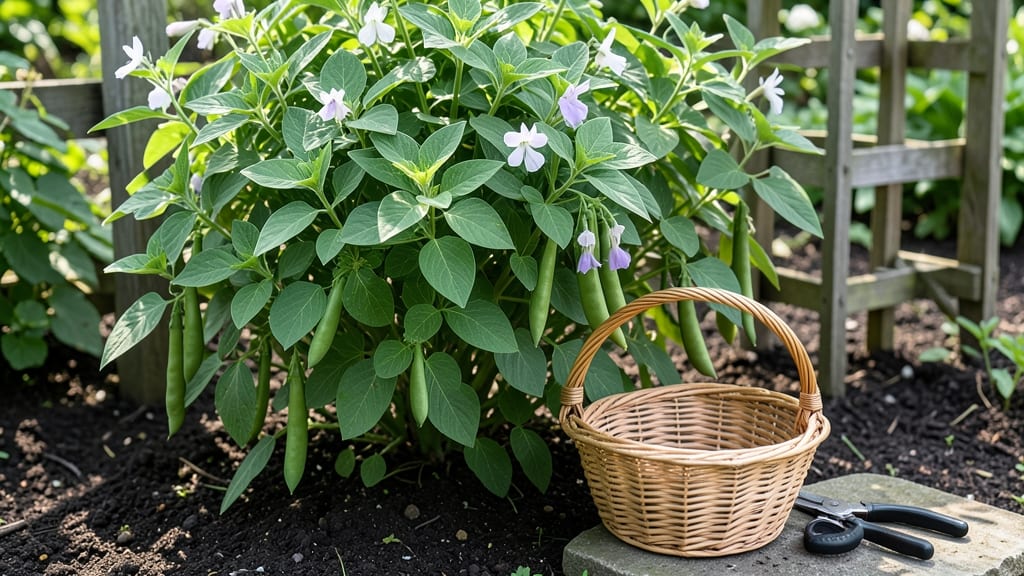
To tell when green beans are ready to pick, use the finger-pinch test—gently squeezing a pod should yield a satisfying snap, not a bend.
Picking green beans at the wrong time can turn your crisp, sweet harvest into tough, woody pods—so knowing the exact moment to harvest makes all the difference. Master this simple trick, and you’ll never overlook a perfect bean again.
Look for pods that are 4–6 inches long and uniformly green, with a firm texture that snaps cleanly when bent. These are the hallmarks of peak flavor and texture, ensuring your harvest stays fresh and productive.
In this guide, I’ll walk you through the finger-pinch test, plus five more foolproof signs to confirm readiness. You’ll also learn how often to check your plants for maximum yield and why timing matters for continued production.


The finger-pinch test: the #1 method for determining green bean readiness
Green beans are at their peak flavor and texture when harvested at the right moment—but timing is everything. A tough, stringy pod means you missed the window, while overripe beans signal the plant is redirecting energy to seeds.
The finger-pinch test is my go-to method for pinpointing the exact moment to harvest, ensuring every bean you pick is crisp, sweet, and ready for the table.
This simple tactile test works for all green bean varieties, from classic snap beans to wax beans and flat pods. The key is understanding the subtle differences in pod firmness, size, and color that signal readiness.
Unlike other vegetables, green beans don’t ripen after picking—they degrade quickly, so knowing when to harvest is critical for a bountiful harvest.
Here’s why the finger-pinch test beats guessing: it combines visual cues (like pod length and color) with a physical check for firmness. Overripe beans often look deceptively good—until you snap one and hear a dull thud instead of a satisfying crack.
Let’s dive into the step-by-step process to master this technique.
Grasp a pod between your thumb and forefinger. Ideal length for most green beans is 4–6 inches. Smaller pods (under 3 inches) are still maturing.
Look for a vibrant, even green hue. Yellowing or uneven patches mean the pod is past its prime. Wax beans should have a slightly yellowish tint when ripe.
Gently pinch the pod between your thumb and index finger. A ready-to-pick bean will feel firm but slightly pliable, like a fresh asparagus spear.
Bend the pod slightly—it should snap crisply with a sharp crack. A dull sound or bending without snapping means it’s overripe.
Check where the pod meets the vine. If it separates easily with a slight twist, it’s ready. A stubborn attachment means it needs more time.
Peek inside the pod (if it’s a snap bean). Seeds should be visible but small. Large, plump seeds mean the bean is past its prime.
The finger-pinch test is especially useful for bush beans, which produce all their pods at once.
For pole beans, you’ll need to check more frequently since they continue flowering and fruiting over a longer period. Wax beans, like ‘Golden Wax’ or ‘Blue Lake Wax’, have a slightly different texture—expect a softer snap and a waxy coating when ripe.
One common mistake is waiting too long because the pods look green. Color alone isn’t enough—always combine it with the pinch test. Overripe beans not only lose their crunch and sweetness but also develop bitter, fibrous textures.
I’ve learned the hard way: a single overripe pod can ruin an entire batch if left on the vine too long.
Timing your harvests also boosts plant productivity. When you pick beans regularly, the plant focuses on producing more pods instead of seeds. This is why experienced gardeners check their green beans every 2–3 days during peak season.
Pro tip: Harvest in the morning when pods are cool and crispest.
If you’re growing multiple bean varieties, pay attention to their unique traits. For example, flat pods like ‘Romano’ beans are best when slightly larger (6–8 inches) and have a distinct flat shape.
Meanwhile, snap beans like ‘Blue Lake’ should be harvested when they’re 4–5 inches long and still tender. Always refer to your seed packet for variety-specific guidelines.
Remember, the finger-pinch test is your secret weapon for a garden full of crisp, flavorful green beans. Once you master it, you’ll never waste another pod again—just crisp, sweet bites waiting to be enjoyed fresh, blanched, or stir-fried.
5 Additional signs your green beans are perfect for harvesting
Beyond the classic finger-pinch test, green beans reveal subtle clues that scream "harvest me now!" These visual and tactile cues help you avoid tough, stringy pods while maximizing your yield.
Whether you're growing bush beans or pole beans, these signs apply across varieties—just adjust for your specific type's ideal size.
Start by examining the pod length. Most green beans reach peak flavor between 4 to 6 inches, though dwarf varieties like 'Blue Lake' may be ready at 3-4 inches.
Compare pods to your thumb—if they stretch past your first knuckle, they're likely perfect. Ignoring this cue can lead to overgrown pods that lose their signature crunch.
Next, check the pod thickness. Ready-to-pick beans should feel firm and slightly plump, never flimsy or shriveled. Gently press a pod between your fingers—if it springs back immediately, it's ideal.
Overripe beans will dent easily, signaling they've passed their prime and are converting sugars into starches, making them tougher.
Here’s your numbered checklist of visual and tactile indicators to confirm harvest readiness:
- 📏 Pod Length: 4–6 inches (adjust for dwarf varieties)
- 🌿 Color: Vibrant, uniform green (no yellowing or browning)
- 🔍 Seed Visibility: Tiny seeds just visible through the pod (not large or dark)
- ✂️ Stem Separation: Pods easily snap from the vine with a slight twist
- 🌱 Leaf Health: Nearby leaves stay lush and green (no wilting or yellowing)
Don’t overlook the seed visibility inside the pod. When beans are ready, you’ll spot tiny, pale seeds through the pod’s skin—almost like seeing pearls in an oyster. If seeds are large, dark, or bulging, the pod has overmatured, and its flavor will suffer.
This is especially critical for snap beans, where seed development directly impacts texture.
Pay attention to how the pod detaches from the vine. A ready pod should separate cleanly with a gentle twist, almost as if it’s begging to be picked. If pods resist or tear, they’re either too young or overripe.
This tactile feedback is your garden’s way of communicating—listen closely! For pole beans, check pods near the top of the plant first, as they often mature slightly earlier than lower pods.
Finally, observe the leaf health around your green beans. Healthy leaves mean the plant is thriving and directing energy into pod production. If leaves yellow or wilt, it could signal underwatering, overwatering, or even nutrient deficiencies, which can delay maturity.
A happy plant = happy harvest! Keep an eye on these cues to ensure your beans stay on track for their flavor peak.