
Pruning
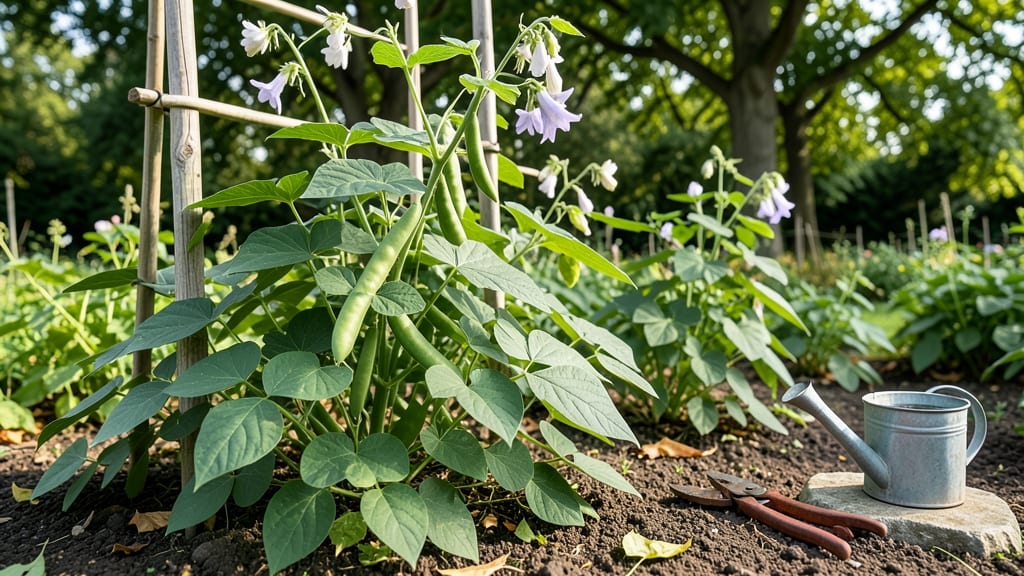
Ice cream bean trees grow best in USDA hardiness zones 10 through 12, where they enjoy warm temperatures year-round and never face frost. These tropical trees demand full sun exposure for healthy growth and fruit production, though container growing can adapt them to slightly cooler climates with seasonal adjustments.
These trees originate from Central and South America, where consistent warmth and humidity create ideal conditions. 🌿 Their delicate leaves and flowers can't withstand even light frosts, so gardeners in zones 9 or cooler face challenges unless they use containers that can be moved indoors during winter months.
The key to success lies in mimicking their native tropical environment—think of them as high-maintenance tropical houseplants that produce edible fruit when cared for properly.
For those in marginal zones, starting with young trees in containers offers flexibility. You can bring them inside before temperatures drop below 50°F and place them near a sunny window or under grow lights.
In warmer months, move them outdoors to soak up 6+ hours of direct sunlight daily—this sunlight exposure is non-negotiable for both growth and fruit development.
💡 In This Article
- USDA Hardiness Zones for Ice Cream Bean Trees: Climate and Temperature Needs
- Extending Ice Cream Bean Tree Growth Beyond Native Zones
USDA hardiness zones for ice cream bean trees: climate and temperature needs
The ice cream bean tree (Inga edulis) originates from tropical rainforests where temperatures hover between 68°F and 86°F year-round, making it a perfect match for USDA zones 10-12.
These regions provide the consistent warmth and humidity the tree craves—its leaves begin to yellow and drop at temperatures below 50°F, signaling irreversible damage.
The tree's native habitat receives 120+ inches of rainfall annually, and its broad leaves have evolved to maximize water absorption through specialized stomata that stay open longer than many temperate plants.
What makes these trees so sensitive to cold?
Their thin, papery bark lacks the protective lignin layers found in temperate trees, while their shallow root systems can't penetrate deep enough to access groundwater during droughts or cold snaps. 🌿 Even a single night below 32°F can cause leaf scorch, and prolonged exposure to 40°F temperatures triggers dormancy-like symptoms that stunt growth.
In their native zones, the trees grow 30-50 feet tall with dense canopies, but in cooler climates, they often max out at 10-15 feet due to stress-induced stunting.
Sunlight requirements are equally critical—these trees need 6+ hours of direct sunlight daily to produce the energy needed for fruit development. Their compound leaves contain high concentrations of chlorophyll that thrive in bright light, but they can't handle the intense midday sun of desert climates without proper hydration.
In zones 10-12, they naturally receive the perfect balance of sun and humidity, while gardeners in marginal zones must supplement with 50-70% humidity levels and afternoon shade during peak summer heat.
Microclimates can expand suitable growing zones by 1-2 zones when properly utilized. Coastal areas with mild winters (like San Diego or Miami) often see ice cream bean trees thriving in zone 9b with minimal protection, while inland microclimates near heat-retaining structures can create pockets of warmth.
The key is monitoring soil temperature—roots need to stay above 55°F at all times. Mulching with 4-6 inches of organic matter helps insulate roots, while windbreaks can prevent cold air pooling that would otherwise damage the tree's sensitive foliage.
For those in zones 8 or cooler, understanding the tree's dormancy patterns is crucial. While not true dormancy like temperate trees, ice cream bean trees enter a semi-dormant state when temperatures drop below 60°F for extended periods.
During this time, growth slows dramatically, and new leaves become smaller and more brittle.
This is why container-growing becomes essential—it allows you to move the tree indoors before the first frost, where you can maintain ideal conditions using a heat mat (70-75°F soil temperature) and grow lights (12-14 hours of light daily).
One fascinating adaptation worth noting is the tree's ability to produce flowers and fruit even in less-than-ideal conditions.
While growth may be stunted, the tree will still attempt to bloom when temperatures rise above 70°F, producing those signature fragrant white flowers that eventually yield the edible ice cream bean pods.
This resilience explains why some gardeners in zone 9 have had limited success—while the tree may not reach its full potential, it will still produce fruit with proper care and protection from winter cold snaps.