
Landscaping
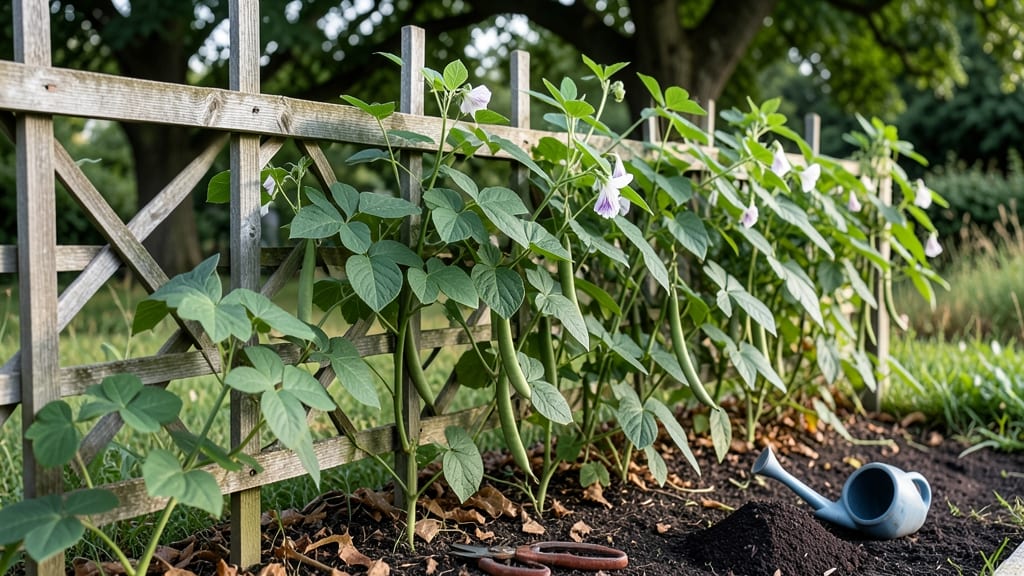
Your backyard could be the entrance to a magical kingdom—starting with a Jack and the Beanstalk landscape that makes neighbors stop and stare. 🌱 I designed mine after my kids begged for a "real-life fairy tale," and now our garden feels like a storybook come to life, with towering sunflowers as the beanstalk and a whimsical trellis as the giant’s castle.
The secret isn’t just the plants—it’s the details. Giant pumpkins mark the "golden goose" spot, while a winding path of stepping stones leads to a painted wooden castle playhouse.
You’ll use sunflowers, morning glories, and clematis vines for vertical drama, plus painted rocks and storybook signs to tie it all together. Even the soil beds can look like magic bean patches!
By summer, you’ll have a garden that feels like stepping into a children’s book—with vibrant colors, playful textures, and a sense of wonder. Kids will love the "giant’s castle" to explore, and adults will adore the storytelling charm. The best part? It grows more magical every season.
Perfect for families, fantasy lovers, or anyone who wants a garden that sparks imagination. Let’s build your storybook landscape—one magical detail at a time.
📚 In This Guide
- What you need
- Instructions
- Tips and common mistakes
- Wrapping up and next steps
What you need
- ● Vertical Garden Structure: Trellis or metal lattice (6–10 ft tall, 3–4 ft wide) – 2–3 units for a towering effect
- ● OR DIY wooden frame (2x4s, plywood backing) – customizable height
- ● Galvanized screws or heavy-duty staples – 100+ pieces
- ● Planting Supplies: Potting soil (moisture-retentive blend) – 5–10 gallons
- ● Slow-release fertilizer (14-14-14 NPK ratio) – 1–2 lbs
- ● Organic mulch (cocoa shells or bark) – 2–3 bags
- ● Climbing Plants: Fast-growing vines: Morning glories, clematis, or sweet peas – 6–12 plants
- ○ Dwarf fruit trees (e.g., columnar apple or peach) – 1–2 trees (optional for edible drama)
- ● Decorative Touches: Gold or green spray paint (for "beanstalk" accents) – 1 can
- ● Miniature castle or giant’s boot props – 1–2 pieces (DIY or store-bought)
- ● Fairy lights or solar-powered LED strips – 1 roll (for nighttime magic)
- ● Drip irrigation kit – 1 system (to keep vines hydrated effortlessly)
- ● Trellis paint (weather-resistant) – 1 quart (for a rustic or storybook look)
- ● Birdhouses or bat boxes – 1–2 units (to attract pollinators and add charm)
- ● Weatherproof planter pockets – 10–20 pieces (for modular planting)
- ● Giant’s footprint molds (for concrete or resin) – 1 set (for playful ground decor)
How to create a whimsical Jack and the beanstalk-inspired tower garden
Transform your yard into a storybook scene with vertical drama—here's how to build enchanting climbing plant towers.
🌱 Step 1: Plan Your Tower Structure and Select Climbing Plants
Start by sketching your tower design. I like to use 4-6 foot tall wooden trellises for the classic beanstalk look, but metal arches or even repurposed ladders work too. Choose plants that grow 10+ feet tall—clematis, morning glories, or pole beans are perfect for the fairy-tale effect. Place your tower in full sun where it can reach its full height without obstruction.
Here's the thing—don't just pick any climbing plant. For a true Jack and the Beanstalk vibe, mix fast-growing vines (like morning glories) with dramatic flowers (clematis or sweet peas). I always plant 3-4 vines per tower to ensure full coverage. The more variety, the more magical the result will look as it grows.
🪴 Step 2: Build or Assemble Your Tower Frame
If using a pre-made trellis, simply stake it firmly into the ground at a 45-degree angle for that classic beanstalk lean. For DIY options, I like 2x4 lumber arranged in a triangular shape—just screw them together and bury the base 6 inches deep in the soil for stability. Add horizontal crossbars every 12 inches so vines have something to grip.
Real talk: the tower won't last forever, but with proper anchoring, it'll hold up for 3-5 growing seasons. I reinforce mine with landscape fabric ties at each crossbar to prevent wind damage. Water the base thoroughly after planting to help roots establish before the vines take over.
☀️ Step 3: Plant and Train Your Climbing Stars
Dig holes twice as wide as the root ball and plant your vines at the same depth they were in their containers. I like to add a handful of compost to each hole before backfilling—this gives them a nutrient boost while they scramble upward. Space multiple towers 3-4 feet apart so they don't compete for sunlight.
Watch for the first tendrils—these are your plant's way of saying "I'm ready to climb!" As soon as you see them, gently guide the main stem along the tower using soft plant ties. Don't wrap them too tightly; you want the vine to grow into the support, not strangle against it. I check my ties weekly and loosen them as the stems thicken.
💧 Step 4: Water and Maintain for Maximum Vertical Drama
Water deeply 2-3 times per week until the vines reach 5 feet tall, then taper to once weekly once established. The key is keeping the soil consistently moist but not soggy—you'll know you're doing it right when the leaves stay plump and green, not wilting or yellowing. Mulch around the base with 2-3 inches of shredded bark to retain moisture and suppress weeds.
Here's where it gets fun—prune strategically! Remove any side shoots that aren't climbing the main structure, and pinch back the tips of fast growers like morning glories to encourage bushier, more dramatic growth. I also add colorful garden flags near the base to enhance the storybook feel—just a little whimsy goes a long way.
✂️ Step 5: Harvest and Enjoy Your Living Beanstalk
Depending on your plants, you'll have either edible pods (beans), cut flowers (clematis), or morning glories for vining displays. Harvest beans when pods are firm but before they harden—this ensures the best flavor. For flowers, cut stems in the morning when blooms are fully open for the longest vase life. I like to leave some flowers on the vine to encourage more blooms throughout the season.
This is the moment that matters: as your tower grows, it'll become the centerpiece of your garden. Watch children's faces light up when they see the "giant's castle" at the top—it's the little details, like adding a miniature door or window at the top of the trellis, that make it truly magical. And when the vines finally reach their peak, you'll have created something straight out of a storybook.
Tips & tricks for whimsical tower gardens
Between us, these simple tricks will help you create a storybook-worthy garden that grows into a towering masterpiece.
Plant Selection Strategy: When choosing your climbing plants, prioritize a mix of fast growers and showstoppers. Morning glories will give you quick vertical coverage, while clematis or sweet peas add dramatic floral accents. I always plant 3-4 vines per tower to ensure full coverage—this creates that magical "giant's castle" effect at the top. Don't forget to consider your local climate; some varieties like pole beans grow better in warmer zones, while clematis thrives in cooler climates.
Tower Stability Secret: The 45-degree angle in Step 2 isn't just for looks—it actually helps distribute weight better as vines grow heavier. For DIY towers, I reinforce the base by burying the 2x4 lumber 6 inches deep and adding landscape fabric ties at each crossbar. This prevents wind damage and keeps your tower standing tall for those 3-5 growing seasons. Pro tip: Use a level when staking to ensure perfect alignment from the start.
Growth Training Technique: Those first tendrils are your plant's way of saying "I'm ready to climb!" When you see them, gently guide the main stem along the tower using soft plant ties—but here's what nobody tells you: check your ties weekly and loosen them as stems thicken. Too-tight ties can actually strangle the vine, preventing it from growing properly. I use fabric ties because they're gentle on stems and won't leave marks as the plant grows.
Watering Wisdom: The 2-3 times per week watering schedule works perfectly in most climates, but timing matters just as much as frequency. Water deeply in the morning so plants have moisture for the day ahead, and avoid evening watering which can encourage fungal growth. When your vines reach 5 feet, you'll notice they need less frequent watering—this is when they've established strong root systems. A good soak once a week keeps them thriving without wasting water.
Pro Tips for Jack And The Beanstalk Landscape
- Between us, these simple tricks will help you create a storybook-worthy garden that grows into a towering masterpiece.
- Plant Selection Strategy: When choosing your climbing plants, prioritize a mix of fast growers and showstoppers.
- Tower Stability Secret: The 45-degree angle in Step 2 isn't just for looks—it actually helps distribute weight better as vines grow heavier.
Frequently asked questions
Got questions about creating your own Jack and the Beanstalk-inspired tower garden? We’ve got answers! Whether you’re curious about materials, growth timelines, or creative tweaks, this section covers the most common queries to help your vertical landscape dream take root.
What plants are best for a "Jack and the Beanstalk" vertical garden?
Opt for fast-growing, vining plants like pole beans, morning glories, or sweet peas for a classic look. For a modern twist, try ivy, jasmine, or even succulents in stacked planters. Avoid heavy foliage—lightweight climbers work best for dramatic vertical growth. Check the materials section for structural tips!
How long does it take for the "beanstalk" to grow tall?
With the right conditions (sunlight, water, and support), vining plants like pole beans can reach 6–10 feet in 60–90 days. Morning glories grow even faster (up to 10 feet in a season!). Patience is key—think of it as nurturing your own magical tower! Pro tip: Use trellises or bamboo poles for extra height.
Can I use this design in small spaces or balconies?
Vertical planters, hanging pockets, or wall-mounted systems
work perfectly for balconies or patios. Even a single tall trellis with climbing plants adds drama. Just ensure your setup can support the weight—especially after heavy rain. Lightweight materials like PVC or recycled pallets are great for small spaces.
How do I add whimsical touches (like gold coins or castles) to the design?
Get creative! Use weatherproof resin coins, painted rocks, or mini fairy-tale figurines tucked into planters. For a castle vibe, stack terracotta pots in graduated sizes or add a small wooden archway at the base. Just ensure decorations are lightweight and won’t damage plants.
What if my plants aren’t growing as tall or fast as expected?
Check these common issues:
- Sunlight: Most vining plants need 6+ hours of direct sun daily.
- Water: Keep soil consistently moist (but not soggy).
- Support: Ensure trellises/poles are stable and tall enough.
- Fertilizer: Use a balanced, water-soluble fertilizer every 2–3 weeks.
Wrapping up and next steps
Transforming your outdoor space into a Jack and the Beanstalk-inspired vertical garden isn’t just about creativity—it’s about bringing magic to life! With the right materials, a dash of imagination, and a little elbow grease, you’ve got everything you need to craft a landscape that feels like stepping into a fairy tale. 🌱✨
The key takeaway? Vertical drama doesn’t have to be complicated—just playful! Start small, scale up, and let your garden grow taller than Jack’s beanstalk. Ready to plant the seeds of inspiration? Grab your tools, sketch your dream design, and turn that blank wall or fence into a storybook masterpiece today!