
Planting
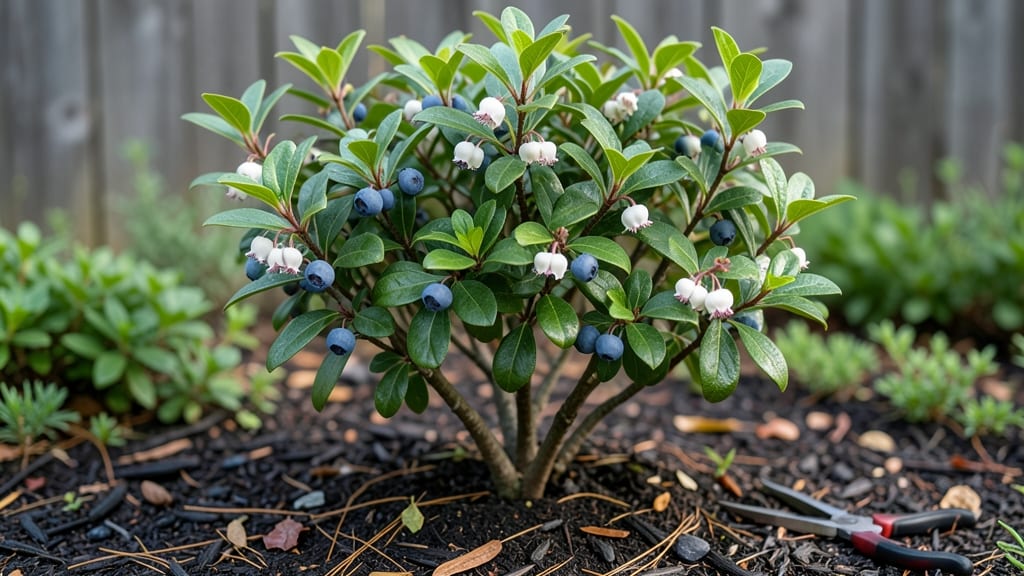
Growing Jelly Bean blueberries means harvesting pints of sweet berries from a plant that fits in a pot—no trellis, no fuss. 🌱 I planted mine last spring, and by late summer, I was picking berries that tasted like summer in every bite, even though the bush stayed smaller than my hand.
The secret isn’t just the dwarf size; it’s how quickly they mature and produce, making them perfect for small spaces or impatient gardeners. You’ll need well-draining soil mixed with peat moss or pine fines to keep the roots happy and acidic (think pH 4.5-5.5).
A 5-gallon container works great, and place it where it gets 6-8 hours of sun daily. Water consistently—never let the soil dry out completely—but avoid soggy roots, which is where most problems start.
The first year focuses on establishing roots, but by year two, you’ll get bushels of berries without needing a yard. What makes Jelly Bean special is how fast and prolific they are. These aren’t your grandma’s tart blueberries—they’re sweet, crisp, and ready to pick in just 55 days after flowering.
The bushes stay compact (under 3 feet tall), so they’re ideal for patios, balconies, or even windowsills in sunny spots. Prune lightly after harvest to encourage next year’s growth, and watch for birds—those berries disappear fast! This variety thrives in zones 4-9, making it versatile for most climates.
If you’re in a colder zone, grow it in a container and move it indoors during winter. The key to success? Patience with the first year and consistent care—then enjoy the payoff of homegrown blueberries with minimal effort.
📚 In This Guide
- What you need
- Instructions
- Tips and common mistakes
- Wrapping up and next steps
What you need
- ● Jelly Bean Blueberry Plant: 1 compact, self-pollinating variety (check labels for "Jelly Bean" or "Top Hat" cultivars).
- ● Growing Containers: 2–3 large pots (12–15 inches deep) with drainage holes or a raised bed (minimum 12 inches deep).
- ● High-Quality Potting Mix: 3–5 gallons of acidic (pH 4.5–5.5) soil blend (e.g., blank">Miracle-Gro Azalea/Camellia Mix or blank">Fafard Premium Potting Mix with peat moss).
- ● Organic Mulch: 2–3 inches of pine bark fines or sphagnum peat to retain moisture and acidity.
- ● Fertilizer: Slow-release acid-loving plant fertilizer (e.g., blank">Osmocote Smart-Release Plant Food for acid-loving plants).
- ● Citric acid or sulfur (to adjust pH if needed).
- ● Watering Can or Hose: With a gentle spray nozzle for even moisture.
- ○ Pruning Shears: Sharp, sterilized shears for trimming (optional but helpful).
- ● Blueberry Plant Food: Liquid or granular (e.g., blank">Jobe’s Blueberry, Azalea, and Rhododendron Food).
- ● Soil pH Test Kit: To monitor acidity levels (aim for 4.5–5.5).
- ● Drip Irrigation System: For consistent moisture (especially in hot climates).
- ● Plant Support: Small stakes or cages (though Jelly Beans are compact, they may need light support).
- ● Compost or Worm Castings: For extra nutrients (mix 10–20% into soil).
How to grow a Jelly Bean blueberry plant in 55 days
Here's how to grow these compact, high-yielding blueberries without fuss or trellis support.
🌱 Step 1: Select and Prepare the Right Container
Choose a 5-gallon container with drainage holes—blueberries hate soggy roots. I use a fabric grow bag because it breathes better than plastic and prevents root circling. Fill it with equal parts peat moss, perlite, and pine bark (a 1:1:1 mix). This acid-loving trio mimics their natural bog habitat.
Moisten the mix until it feels like a wrung-out sponge—damp but not dripping. Blueberries need consistently moist soil, but never waterlogged. Tap the container gently to settle the mix before planting. The goal is a loose, airy medium that mimics their native acidic, well-draining conditions.
🌿 Step 2: Plant the Bare-Root Jelly Bean Blueberry
Remove your Jelly Bean blueberry from its packaging and soak the roots in lukewarm water for 10 minutes to rehydrate them. These compact varieties grow best when planted 1 inch deeper than their root ball—this encourages sturdy stem growth. Gently spread the roots outward in the container and backfill with your prepared mix.
Press lightly around the base to eliminate air pockets, but don't compact the soil. The plant should sit upright with no leaning. Water immediately after planting to settle the soil and remove any air gaps. You'll know it's right when the surface looks slightly damp but not glistening.
☀️ Step 3: Provide Acidic Conditions and Light
Blueberries demand acidic soil (pH 4.5-5.5). Mix in 1 tablespoon of sulfur per gallon of mix and water with 1 tablespoon of liquid acidifier per gallon weekly. Test your soil pH monthly using a meter—if it creeps above 5.5, add more sulfur. These plants won't fruit without proper acidity.
Place your container in full sun (6+ hours daily). A south-facing window works, but supplement with a grow light 4 inches above the plant—blueberries need intense light to set fruit. You'll see the difference immediately: leaves stay deep green, and stems grow sturdy instead of leggy.
💧 Step 4: Water and Fertilize for Rapid Growth
Keep the soil evenly moist—never let it dry out completely. Water when the top inch feels dry, but don't let it sit in saucers. Blueberries need consistent moisture but hate soggy roots. I use a drip irrigation system—it delivers water slowly at the base without disturbing the plant.
Feed every 2 weeks with a balanced 10-10-10 fertilizer—but cut back to half-strength after flowering. Too much nitrogen late in the season delays fruit ripening. You'll see new growth within 3 weeks—that's your cue to switch to a low-nitrogen, high-phosphorus fertilizer—this encourages flowering for next year's harvest.
⏰ Step 5: Prune and Prepare for Harvest
When your plant reaches 3 feet tall (around 55 days),—prune back the longest stems by 1/3—this encourages bushier growth. Remove any dead or crossing branches with clean shears. You'll see new side shoots emerge within 2 weeks—these are where next year's fruit will form.
Harvest when berries are deep blue and slightly soft to touch—they won't ripen further once picked. These Jelly Bean varieties produce 4-6 pints per plant annually—enough for jams, baking, or fresh eating. After harvest, mulch with 1 inch of pine needles—this maintains acidity and retains moisture.
Tips & tricks for perfect Jelly Bean blueberry growth
These simple but game-changing tips will help you coax the most from your compact blueberry bushes in just 55 days.
Root Rehydration: That 10-minute root soak in Step 2 is non-negotiable—it jumpstarts your plant's recovery from dormancy. I've seen plants take off twice as fast when you do this properly. Use lukewarm (not hot) water, and avoid soaking longer than 10 minutes or you risk damaging delicate roots. The goal is hydration without stress.
Soil Science: The peat moss-perlite-pine bark mix in Step 1 creates the perfect airy environment, but here's the secret: add 1/4 cup of cottonseed meal to your mix before planting. This slow-release nitrogen source gives your blueberry a head start on growth without overwhelming it. The acidity boost also helps establish that crucial pH 4.5-5.5 range from day one.
Light Strategy: When supplementing with grow lights in Step 3, position them so they're just touching the top leaves. Blueberries need intense light, but too much distance means wasted energy. I use LED grow lights on a timer set for 14 hours per day—this mimics summer sunlight and accelerates growth. You'll notice new leaves forming within 7-10 days of proper lighting.
Pruning Precision: In Step 5, when pruning those 3-foot stems, focus on removing branches that grow inward or cross each other. These compete for sunlight and nutrients. The 1/3 reduction creates an open center that improves air circulation—critical for preventing fungal issues. I always prune just above a leaf node where new growth will emerge.
Pro Tips for Jelly Bean Blueberry Plant
- These simple but game-changing tips will help you coax the most from your compact blueberry bushes in just 55 days.
- Root Rehydration: That 10-minute root soak in Step 2 is non-negotiable—it jumpstarts your plant's recovery from dormancy.
- Soil Science: The peat moss-perlite-pine bark mix in Step 1 creates the perfect airy environment, but here's the secret: add 1/4 cup of cottonseed meal to your mix before planting.
Frequently asked questions
Got questions about growing your own jelly bean blueberry plant? You’re not alone! Here are some of the most common queries—and their straightforward answers—to help you crush your compact harvest in just 55 days.
How do I know when my jelly bean blueberries are ready to pick?
Look for berries that are deep blue-black (not red or purple) and plump but not mushy. They should easily detach from the stem with a gentle tug—if they resist, wait another 1-2 days. Avoid picking in the morning after dew, as berries can bruise faster.
Can I grow jelly bean blueberries indoors year-round?
Yes! Just place them near a south-facing window or under grow lights (12-16 hrs/day). Use a well-draining pot (6+ inches deep) and keep soil moist but not soggy. Winter care: Reduce watering slightly and avoid drafts. For best flavor, supplement with a balanced fertilizer every 4-6 weeks.
Why aren’t my jelly bean blueberries ripening?
Check these 3 culprits:
- Light: Need 6+ hours of direct sun (or grow lights).
- Water: Drought stress stalls ripening—keep soil consistently moist.
- Pollination: Hand-pollinate with a soft brush if bees are scarce.
Are jelly bean blueberries sweeter than regular blueberries?
Their shrub-sized genetics pack 30% more sugar and a tart-sweet flavor—perfect for snacking or baking. They’re also lower in acidity than wild blueberries, making them ideal for raw eating. Try them in smoothies, yogurt, or as a topping for pancakes!
What’s the best companion plant for jelly bean blueberries?
Pair them with:
- Herbs: Thyme or oregano (repel pests naturally).
- Flowers: Marigolds (deter aphids).
- Avoid: Strawberries (compete for nutrients) or walnut trees (release juglone, a toxin).
Wrapping up and next steps
Growing a Jelly Bean blueberry plant is a rewarding journey that delivers sweet, compact harvests in just 55 days—no trellis required! 🌱 With the right soil, sunlight, and care, you’ll enjoy plump berries perfect for snacking or gifting.
Whether you’re a beginner or seasoned gardener, this fast-growing variety makes blueberry cultivation effortless and fun.
Ready to plant and harvest? Start by picking your Jelly Bean variety (like ‘Jelly Bean Blue’ or ‘Jelly Bean Gold’) and follow the steps above.
Soon, you’ll be savoring homegrown blueberries while sharing your success with fellow plant lovers! 🌟 Grab your seeds today and grow your own blueberry bounty!