
Vegetables
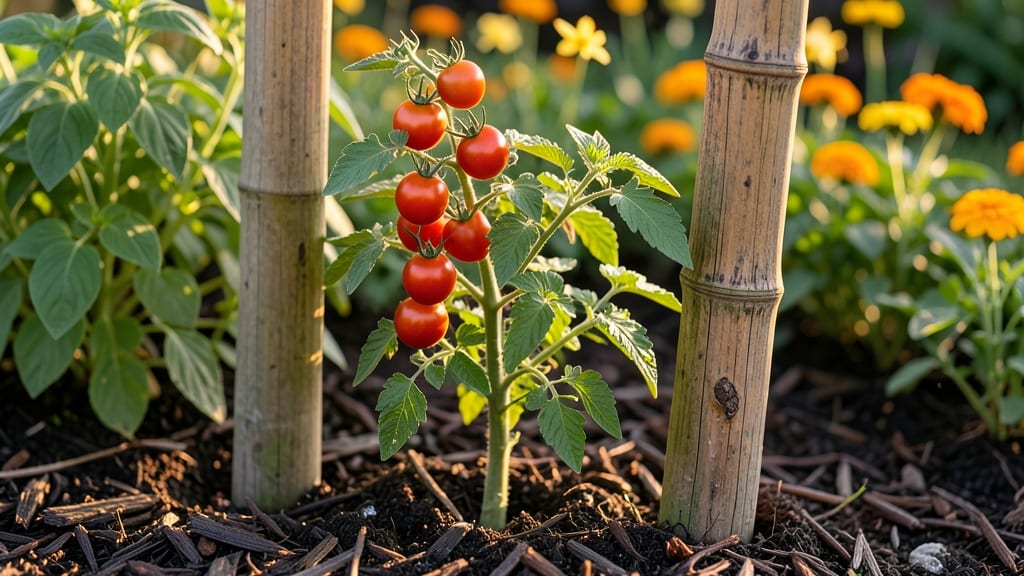
The Jelly Bean hybrid tomato delivers sunburst flavors in just 60 days—plump, meaty fruits with sweet heat that outshine store-bought varieties. 🌱 I planted mine last spring, and by July, I was snapping photos of tomatoes so vibrant they looked like edible jewels.
The secret lies in matching this variety's needs: warm soil, consistent moisture, and a trellis to keep those 1-pound fruits from toppling over. This tomato thrives in full sun (6+ hours daily) and well-draining soil with compost mixed in.
Start seeds indoors 6-8 weeks before last frost, or buy sturdy transplants. The key? Pruning early—removing suckers keeps energy focused on fruit production, not leafy growth. My plants yielded 20+ pounds by late summer, with tomatoes bursting with flavor that tasted nothing like grocery store blandness.
You'll harvest bright orange-red fruits that balance sweetness with a subtle kick—perfect for slicing, sauces, or fresh eating. The plants stay compact (4-5 feet tall) but produce like they're on steroids. Just watch for early blight (rotate crops next year) and hornworms (handpick those green monsters).
For best results, mulch heavily to retain moisture and fertilize lightly—too much nitrogen means leafy monsters, not fruit. Even in small spaces, these tomatoes deliver restaurant-quality flavor with minimal fuss. Ready to grow yours?
📚 In This Guide
- What you need
- Instructions
- Tips and common mistakes
- Wrapping up and next steps
What you need
- ● Jelly Bean Hybrid Tomato Seeds – 5–10 seeds (or 2–3 plants if buying seedlings).
- ● Containers or Garden Bed – 5-gallon pots (if container-growing) or well-draining soil in a sunny spot (6+ hours of light daily).
- ● Potting Mix – 10–15 lbs of high-quality, well-draining mix (add perlite or compost for extra nutrients).
- ● Fertilizer – Balanced organic fertilizer (10-10-10 or tomato-specific) or compost tea.
- ● Stakes or Cages – 3–4 ft tall (tomatoes grow 4–5 ft tall!).
- ● Watering Can or Hose – With a gentle spray nozzle (avoid wetting leaves).
- ● Pruning Shears – Small, sharp pair for trimming suckers.
- ● Grow Lights – For early starts or low-light spaces.
- ● Mulch – Straw or shredded leaves to retain moisture.
- ● Drip Irrigation Kit – For consistent watering.
- ● Plant Markers – To track varieties (especially if growing multiple types).
- ● Epsom Salt – A sprinkle in soil boosts magnesium for sweetness!
Step-by-step instructions for cultivating Jelly Bean Hybrid tomatoes
Here's how to coax those sweet, fire-engine-red orbs from seed to harvest in just two months.
🌱 Step 1: Start Seeds Indoors with Precision Timing
Begin seeds 8-10 weeks before your last frost date—this gives Jelly Beans enough time to mature before cool weather sets in. Use sterile seed-starting mix in 2-3 inch deep cells or small pots. Press 1-2 seeds per cell just ¼ inch deep—any deeper and they'll struggle to break through. I like to use a pencil to make small holes for consistent depth.
Cover lightly with mix and mist until evenly damp. Place in a warm spot (75-85°F)—a seedling heat mat works wonders. Keep the tray covered with plastic wrap until germination, which should happen in 5-10 days. The moment you see those first true leaves (not the initial seed leaves), remove the cover immediately to prevent damping-off.
☀️ Step 2: Provide Light and Nutrients for Strong Seedlings
Jelly Beans need 14-16 hours of light daily from day one. A grow light positioned 2-4 inches above the seedlings ensures they don't stretch leggy. You'll know your light setup is right when seedlings have thick stems and dark green leaves spaced 1 inch apart. If they look pale and stretched, lower the light or move them closer.
Once seedlings have 2-3 sets of true leaves, fertilize lightly with a balanced liquid fertilizer (5-5-5) diluted to half strength. I like to apply it in the evening when temperatures drop—this prevents root burn. Water from the bottom to encourage strong root development, and avoid wetting the leaves to prevent disease.
🪴 Step 3: Harden Off and Transplant at the Right Time
Two weeks before your last frost, start hardening off seedlings by placing them outside in a sheltered spot for 1-2 hours the first day. Gradually increase their outdoor time by 1 hour daily until they can stay out all day. This toughens their skin and prepares them for the garden. Watch for wilting or leaf scorch—if it happens, they're not ready yet.
Transplant after all danger of frost has passed and soil temperatures reach 60°F. Bury seedlings deeper than they were in pots—up to the first set of true leaves. This encourages strong root systems. Space plants 18-24 inches apart in full sun (6-8 hours daily). I always add a time-release fertilizer at planting to give them a nutrient boost right away.
✂️ Step 4: Prune and Support for Maximum Yield
Jelly Beans thrive with light pruning—remove suckers (the shoots that grow between the main stem and branches) when they're smaller than a pencil. This directs energy to fruit production. Install a cage or stakes at planting to support the vines as they grow. You'll know your pruning is working when the plant focuses on large, heavy fruit rather than excessive foliage.
Water deeply once a week (more in extreme heat) and mulch heavily to retain moisture. Jelly Beans are prone to cracking if soil moisture fluctuates wildly, so keep it consistent. Harvest when fruit is fully colored and slightly soft to touch—this ensures peak sweetness. I pick mine in the morning when sugars are at their highest.
💧 Step 5: Maintain Through Harvest and Beyond
Continue fertilizing every 2-3 weeks with a tomato-specific fertilizer (high in phosphorus and potassium) until fruit sets. Watch for early blight or hornworms—remove affected leaves immediately and handpick caterpillars. Jelly Beans are disease-resistant but not invincible, so rotate crops next season to prevent soil-borne issues.
As fruit ripens, harvest every 2-3 days to encourage more production. The more you pick, the more the plant will keep producing. Store ripe tomatoes at room temperature—never in the fridge, as this destroys flavor. With proper care, you'll have pounds of sweet, heat-packed Jelly Beans ready to can, freeze, or enjoy fresh in just 60 days.
Tips & tricks for growing Jelly Bean Hybrid tomatoes
These little-known tricks will help you cultivate the sweetest, most flavorful Jelly Bean tomatoes in just two months.
Germination Conditions: The 75-85°F warmth required for germination is non-negotiable—any cooler and you'll wait weeks for sprouts. I've found that placing the seed tray on top of my refrigerator (where it stays warm) works perfectly when I don't have a heat mat. Once you see those first true leaves, remove the plastic immediately—this prevents a deadly fungal disease called damping-off that can wipe out your entire tray overnight.
Lighting Strategy: Those 14-16 hours of daily light aren't just a suggestion—they're essential for preventing leggy seedlings. I use a simple LED grow light on a timer, but even a south-facing window with supplementary fluorescent lighting works. Watch for leaves spaced more than 1 inch apart or stems that look pale and stretched—these are clear signs your seedlings need more light. The moment you see this, move them closer or add another light source immediately.
Transplanting Technique: Burying seedlings deeper than their original pot depth might seem counterintuitive, but it actually encourages stronger root systems. The buried stem will develop new roots along its length, creating a more robust plant. Just make sure to plant before soil temperatures drop below 60°F—cold soil slows root growth and can shock your young plants. I always add a handful of compost to the planting hole for an extra nutrient boost right away.
Harvest Timing: The 2-3 day harvest window is crucial for maintaining production. Jelly Beans are prolific producers, but they need consistent picking to keep making fruit. I harvest in the morning when sugars are at their peak—just look for fully colored tomatoes that yield slightly to gentle pressure. Never harvest when the fruit is rock-hard or still green, as this stresses the plant and can lead to blossom-end rot later in the season.
Pro Tips for Jelly Bean Hybrid Tomato
- These little-known tricks will help you cultivate the sweetest, most flavorful Jelly Bean tomatoes in just two months.
- Germination Conditions: The 75-85°F warmth required for germination is non-negotiable—any cooler and you'll wait weeks for sprouts.
- Lighting Strategy: Those 14-16 hours of daily light aren't just a suggestion—they're essential for preventing leggy seedlings.
Frequently asked questions
Got questions about growing the Jelly Bean Hybrid Tomato? You’re not alone—this fast, flavorful variety has gardeners buzzing! Here are some of the most common queries, answered straight from the dirt to your plate.
How long does it take for Jelly Bean Hybrid Tomatoes to mature?
The Jelly Bean Hybrid is a determinate variety, meaning it matures quickly—typically 60-65 days from transplanting to harvest. With proper care (like consistent watering and sunlight), you can enjoy sweet, bite-sized tomatoes in about 2 months after seedlings sprout. Perfect for impatient gardeners!
Can I grow Jelly Bean Tomatoes in containers?
These compact plants thrive in containers as long as the pot is at least 5 gallons and has drainage holes. Use a balanced fertilizer (like 10-10-10) and place the container in full sun (6+ hours daily). Just avoid overcrowding—space 2-3 plants per container for airflow and productivity.
Why are my Jelly Bean tomatoes cracking?
Cracking is common in fast-growing varieties like Jelly Beans due to uneven watering or rapid fruit expansion. To prevent it:
- Water deeply but consistently (1-2 inches per week).
- Mulch around plants to retain moisture.
- Avoid heavy watering late in the day.
What’s the best way to prune Jelly Bean Hybrid Tomatoes?
Since they’re determinate, pruning is minimal—focus on removing suckers (shoots in the leaf axils) to improve airflow and reduce disease. Snip off lower leaves touching the soil, but leave the top foliage intact to support fruit production. No heavy pruning needed!
Are Jelly Bean Tomatoes good for sauces or better eaten fresh?
These tomatoes are best eaten fresh—their jelly-like texture and sweet-tart flavor shine in salads, sandwiches, or as a snack. While you can use them in sauces, their small size and burst of flavor work best when enjoyed whole. For sauces, pair them with larger tomatoes like Roma for balance.
Wrapping up and next steps
The Jelly Bean Hybrid tomato is a game-changer for home gardeners—packing bold flavor, vibrant color, and lightning-fast growth in just 60 days! Whether you’re a seasoned gardener or a curious beginner, its heat tolerance and sweet-tart profile make it a standout choice for salads, sauces, or fresh snacking. 🌱✨
Ready to grow your own? Start by gathering your supplies, then dive into planting—your taste buds (and Instagram feed) will thank you! 🌿 Next up: Planting tips for a bountiful harvest!