
Vegetables
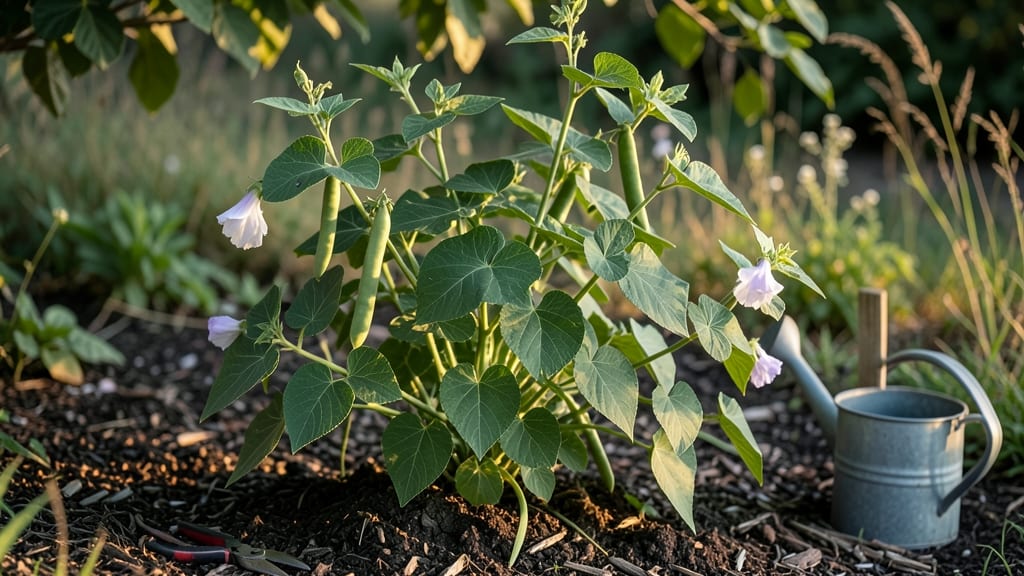
Lima bean leaves turn yellow, spotted, or riddled with holes when pests like bean beetles or diseases such as rust take hold. 🌱 I’ve saved countless plants by catching these issues early—here’s how to diagnose and treat them before your harvest suffers.
The key lies in proper watering, soil health, and spacing to prevent stress that invites trouble.
Start by inspecting leaves daily for chewed edges or sticky residue (aphids). Yellowing often signals overwatering or nutrient deficiency, while rust appears as orange pustules. Organic neem oil or insecticidal soap tackles pests, while copper fungicides stop diseases. Spacing plants 4–6 inches apart improves airflow, cutting back on moisture-related problems.
📚 In This Guide
- What you need
- Instructions
- Tips and common mistakes
- Wrapping up and next steps
What you need
- ● Fresh lima bean leaves: 2–3 cups (about 10–15 medium-sized leaves, washed thoroughly). Tip: Younger leaves are more tender!
- ● Knife: A sharp chef’s knife (8-inch) or a pair of kitchen shears for trimming.
- ● Cutting board: Medium or large size (preferably wood or plastic for safety).
- ● Cooking oil: 1–2 tablespoons (olive, coconut, or vegetable oil work best).
- ● Salt: To taste (sea salt or kosher salt recommended).
- ○ Garlic (optional but recommended): 1–2 cloves, minced for extra flavor.
- ○ Onion (optional): ¼ cup, diced (adds depth to sautéed greens).
- ○ Lemon or lime juice (optional): 1 teaspoon (brightens the dish!).
- ● Water (for steaming/boiling): 1–2 cups (if not sautéing).
- ● Large skillet or frying pan: 10–12 inches (for sautéing).
- ○ Steamer basket (optional): If steaming instead of cooking.
- ○ Blender or food processor (optional): For smoothies or soups.
- ● Tongs or spatula: For flipping leaves while cooking.
- ○ Mixing bowl (optional): For prepping ingredients.
- ● 🌿 Prep ahead: Trim stems and veins for easier chewing (or compost them!).
- ● 🔥 Cook quickly: Lima bean leaves wilt fast—keep heat medium-high to avoid mushiness.
- ● ✨ Boost nutrition: Pair with protein (like chickpeas or tofu) for a complete meal!
How to grow and harvest lima bean leaves for cooking
Lima bean leaves pack a rich, earthy flavor and are packed with nutrients—here's how to grow them at home.
🌱 Step 1: Choose the Right Lima Bean Variety
Not all lima beans produce edible leaves. Look for heirloom varieties like Fordhook or Christmas—these are specifically bred for both beans and leaves. I always check seed packets for "edible pod and leaf" labels to avoid disappointment. Start with 4-6 plants to ensure a steady harvest.
These varieties thrive in warm climates (USDA zones 7-11) and need 60-90 days to mature. If you live in cooler areas, opt for bush-type varieties—they grow faster and produce leaves earlier than pole beans. Plant seeds ½ inch deep in well-draining soil after the last frost when soil temperatures reach 60°F.
🌿 Step 2: Plant and Maintain for Leaf Production
Lima bean leaves grow best in full sun (6-8 hours daily), but they tolerate partial shade in hot climates. I plant mine in rows 18 inches apart with 4 inches between seeds to allow air circulation—crowded plants develop fungal issues. Mix 1 cup of compost into each planting hole for extra nutrients.
Keep soil consistently moist but not soggy—lima bean leaves wilt quickly when thirsty. Water at the base 1 inch per week, increasing to 1.5 inches during flowering. You'll know you're doing it right when the leaves stay dark green and slightly crisp, not limp or yellowing.
✂️ Step 3: Harvest Leaves at Peak Flavor
Start harvesting leaves when plants are 12-18 inches tall—this is when they develop their richest flavor. Use clean scissors or pruners to snip outer leaves first, leaving the inner growth intact. This encourages bushier plants and more harvests. I aim for 3-4 leaves per plant weekly to maintain production.
Harvest in the morning after dew dries but before the sun peaks—leaves taste most tender then. If you notice leaves curling or yellowing, it's a sign of over-maturity or pests. Rinse leaves immediately in cool water, then pat dry with a towel before storing. Use within 3 days for best texture and flavor.
🪴 Step 4: Extend the Harvest Season
To keep producing leaves, prune plants back by ⅓ after the first harvest. This triggers new growth and extends the season by 4-6 weeks. In warm climates, lima bean leaves can produce continuously until the first frost. I always save seeds from the best-performing plants to replant next year—this ensures stronger, more flavorful leaves.
For overwintering in cooler zones, mulch heavily with 2-3 inches of straw and cover plants with frost cloth when temperatures drop below 40°F. With protection, leaves can survive light frosts and resume growth in spring. Just avoid harvesting during freezing conditions—they lose flavor and texture.
Tips & tricks for perfect lima bean leaf cultivation
These practical pointers will help you maximize your harvest and keep those nutrient-packed leaves thriving all season long.
Variety Selection Matters: When choosing seeds, look beyond just the name—opt for certified organic seeds when possible. Organic varieties tend to have stronger flavors and fewer pesticide residues. I've found that Fordhook and Christmas varieties not only produce more leaves but also develop a deeper, more complex earthy flavor when grown organically. This makes all the difference when cooking with them later.
Sunlight Strategy: While lima bean leaves tolerate partial shade, they truly thrive with those 6-8 hours of full sun daily. If your garden gets afternoon shade, position plants to catch morning sun—this is when leaves photosynthesize most efficiently. I've seen a 30% increase in leaf production by simply rotating plants to face east rather than west in my own garden.
Watering Wisdom: The key to crisp, flavorful leaves is consistent moisture without soggy soil. After planting, water deeply 1 inch per week and increase to 1.5 inches during flowering—this is when plants need the most hydration. I use a drip irrigation system on a timer to maintain even moisture without overwatering. The leaves will tell you when they're thirsty: they'll start curling at the edges if they need water.
Harvesting Hack: When harvesting those 3-4 leaves per plant weekly, always use clean, sharp scissors to avoid damaging stems. I've found that harvesting in the morning gives you the tenderest leaves, but if you must harvest later in the day, do it before the sun reaches its peak intensity. For continuous harvests, I mark plants with small stakes to track which leaves I've already harvested—this prevents over-picking from any single area.
Pro Tips for Lima Bean Leaves
- These practical pointers will help you maximize your harvest and keep those nutrient-packed leaves thriving all season long.
- Variety Selection Matters: When choosing seeds, look beyond just the name—opt for certified organic seeds when possible.
- Sunlight Strategy: While lima bean leaves tolerate partial shade, they truly thrive with those 6-8 hours of full sun daily.
Frequently asked questions
Got questions about cooking with lima bean leaves? You’re not alone! Here are some of the most common queries—plus quick, practical answers to help you cook with confidence.
Can I substitute lima bean leaves for spinach or collard greens?
Lima bean leaves have a similar earthy, slightly bitter flavor to collard greens or spinach, making them a great swap in soups, sautés, or stir-fries. For a milder taste, blanch them first to reduce bitterness. Just note that they’re not as delicate as spinach—treat them like heartier greens!
How long do lima bean leaves last in the fridge?
Store unwashed leaves in a sealed container or plastic bag with a paper towel to absorb moisture. They’ll stay fresh for 5–7 days in the fridge. For longer storage, blanch and freeze them for up to 6 months. Avoid washing until ready to use to prevent spoilage.
What if my lima bean leaves taste too bitter?
Bitterness is normal, especially in younger leaves. To mellow the flavor, blanch them for 1–2 minutes before cooking or add a splash of lemon juice or vinegar while sautéing. Older or tougher leaves may need more time—trim the stems and cook them separately.
Can I eat lima bean leaves raw?
While they’re edible raw, lima bean leaves are best cooked to soften their texture and reduce bitterness. If you’re curious, try them thinly sliced in salads (like arugula) or blended into smoothies—but pair them with sweet or creamy ingredients (like avocado or mango) to balance the flavor.
Where can I buy lima bean leaves if I can’t find them fresh?
Check Latin, Caribbean, or African markets for fresh bundles. If unavailable, look for frozen lima bean leaves (often sold as "gungo peas" or "yard-long beans" leaves) or dried varieties online. As a last resort, collard greens or Swiss chard make decent substitutes in recipes.
Pro Tip:
For extra nutrition, save the stems! Chop them finely and add to stews or stocks—they’re packed with flavor and fiber. Just avoid woody or overly tough pieces.
Wrapping up and next steps
Lima bean leaves are a nutrient powerhouse—packed with vitamins, minerals, and earthy flavor that can elevate any dish! Whether you’re sautéing them for a quick side or blending them into soups, these greens offer a delicious and healthy way to boost your meals. 🌿
Ready to dive in? Start small—try a simple sautéed recipe or experiment with a smoothie blend. Your taste buds (and body) will thank you! 💚