
Vegetables
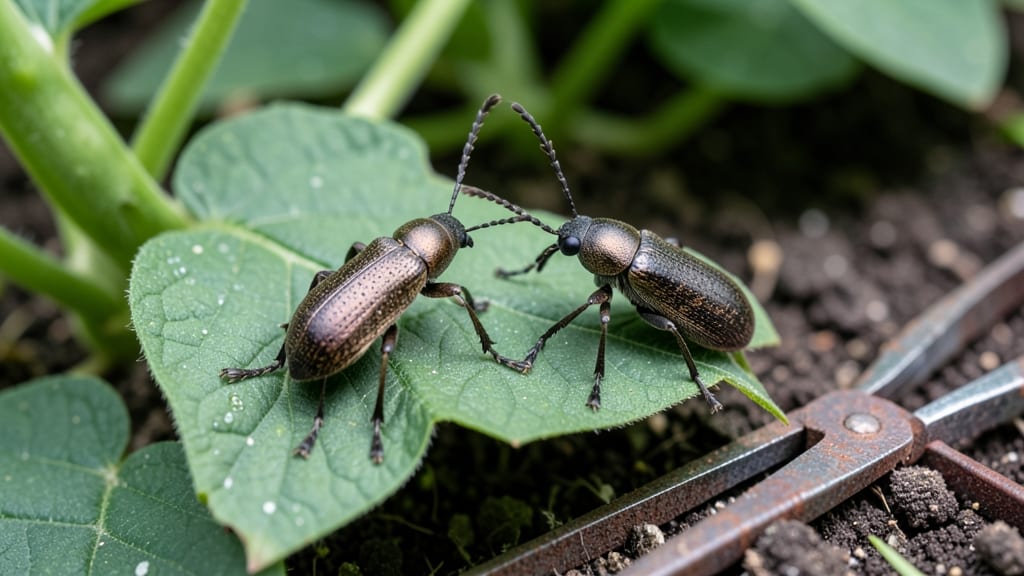
Those green bean insects—Mexican bean beetles and aphids—can turn your crop into a skeleton in days unless you act fast. 🌱 I’ve lost entire crops to these pests, but I’ve also learned how to stop them before they start, using simple, effective methods that work without harsh chemicals.
The key is identifying them early and acting with the right mix of prevention and intervention.
These insects don’t just eat leaves—they chew holes in pods, leaving your harvest ruined. Mexican bean beetles, with their yellow shells and black spots, are the worst offenders, while aphids cluster on undersides, sucking sap and spreading disease.
The good news? A few targeted sprays, companion plants like marigolds or nasturtiums, and regular scouting can keep them in check.
You’ll end up with beans that stay lush and productive all season, free from the telltale damage of pests. The methods I’ve tested—neem oil sprays, handpicking beetles, and rotating crops—are simple but powerful, and they work even for beginners. No more watching your plants get stripped bare.
Works for home gardens, raised beds, or container growing—just adapt the timing based on your climate. Here’s how to protect your beans without losing your sanity (or your harvest).
Root Causes of Bean Pests
Green beans are a garden favorite—but so are the tiny invaders that love munching on them. Understanding why these pests show up in the first place is the first step to keeping your plants thriving.
Below, we break down the science-backed reasons behind their unwelcome visits, from environmental triggers to plant weaknesses.
When green bean plants grow too close together, they create a cozy, humid microclimate that pests adore. Here’s why:
- Moisture buildup: Dense foliage traps dew and water splashes from irrigation, creating damp conditions ideal for slugs, aphids, and fungus gnats. These pests thrive in humidity because it slows their natural predators (like ladybugs) and keeps their eggs from drying out.
- Shade and stress: Crowded plants compete for sunlight, weakening their immune response. Stressed beans produce less volatile organic compounds (VOCs), the natural chemical signals that repel insects.
- Harboring spots: Thick vines and leaves provide hiding places for pests like Mexican bean beetles, which lay eggs on the undersides of leaves where they’re protected from sprays and birds.
Actionable fix: Space seeds 4–6 inches apart in rows 18–24 inches apart. Use trellises for bush varieties to elevate plants and improve airflow.
Beans need a balanced diet to fend off pests. When they’re deficient in key nutrients, they become easy targets. Here’s the breakdown:
| Nutrient Deficiency | How It Attracts Pests | Signs to Watch For |
|---|---|---|
| Nitrogen (N) | Low nitrogen = pale, weak leaves. Pests like aphids and spider mites detect stressed plants and flock to suck out sap for quick energy. | Yellowing lower leaves, stunted growth. |
| Potassium (K) | Potassium strengthens cell walls. Without it, beans can’t resist borers (like bean beetle larvae) that chew through stems and pods. | Brown leaf edges, weak stems, holes in pods. |
| Calcium (Ca) | Calcium prevents blossom-end rot and keeps pods firm. Calcium-deficient beans are prone to fungal infections, which attract pests like thrips and whiteflies. | Dark spots on pods, cracked stems, slow growth. |
Actionable fix: Test soil pH (aim for 6.0–7.0) and amend with compost or a balanced fertilizer (e.g., 10-10-10). Side-dress with banana peels (potassium) or eggshells (calcium) mid-season.
Timing matters more than you think. Planting green beans too late in the season can turn your garden into an all-you-can-eat buffet for pests. Here’s why:
- Extended growing season: Late-planted beans mature slower, staying tender and succulent longer—perfect for pests like cucumber beetles and Japanese beetles, which feed on soft tissue.
- Pest population peaks: Many bean pests (e.g., Mexican bean beetles) have a second generation that emerges in late summer. If your beans are just flowering or setting pods, you’re in their crosshairs.
- Overwintering survivors: Some pests, like slugs, survive winter in leaf litter or mulch. If you plant beans after the first frost, you’re giving them a head start on your crop.
Actionable fix: Plant bush beans 2–3 weeks after the last frost and pole beans 1–2 weeks earlier. For fall harvests, start seeds 8–10 weeks before the first frost date.
Pests don’t just appear out of nowhere—they’re part of a larger food web. When their natural predators vanish, their populations explode. Common disruptors:
- Pesticide overuse: Broad-spectrum sprays (like neonicotinoids) kill beneficial insects like ladybugs, lacewings, and parasitic wasps that prey on aphids and beetle larvae.
- Monoculture planting: Growing only beans (or other solanaceous plants like tomatoes) starves out predator species that need diverse habitats.
- Lack of biodiversity: Gardens with only a few plant types offer fewer hiding spots for predators and more easy meals for pests.
Actionable fix: Plant companion crops like marigolds (repel nematodes), basil (deters thrips), or clover (attracts predatory ground beetles). Avoid synthetic pesticides; opt for neem oil or insecticidal soap as last resorts.
Pro tip: 🌡️ Monitor soil temperature—pests like bean beetles are less active below 60°F. Use row covers early in the season to block flying adults while allowing pollinators access.
Natural Fixes For Bean Garden Troubles
Keeping your green beans thriving starts with tackling those pesky invaders—whether they’re chewing caterpillars, sap-sucking aphids, or burrowing beetles. The good news? You don’t need harsh chemicals to win this battle.
Below, we’ll map out cause-specific solutions to restore your plants’ health, plus prevention tips to keep future pests at bay.
Signs: Ragged leaves, missing chunks of pods, or tiny black droppings. Why it happens: These critters munch directly on your plants, leaving visible damage.
How to Fix It:
- Handpick & Drop 👨🍳
- Wear gloves and pluck off larger caterpillars or beetles (like Mexican bean beetles) into a bucket of soapy water. Do this in the early morning when pests are sluggish.
- Neem Oil Spray 🌿
- Mix 1 tsp neem oil + 1 tsp mild soap + 1 quart water in a spray bottle. Apply to both sides of leaves at dusk to avoid harming bees. Reapply every 5–7 days until pests vanish.
- Diatomaceous Earth (DE) Barrier ⏰
- Sprinkle food-grade DE lightly around plant bases and foliage. It dehydrates insects but is harmless to plants. Reapply after rain.
- Row Covers for Prevention 🛡️
- Use floating row covers (lightweight fabric) over young plants to block adult beetles from laying eggs. Remove when flowers appear to allow pollination.
Signs: Sticky residue (honeydew), yellowing leaves, or tiny webs on undersides.
How to Fix It:
- Blast Off with Water 💦
- Use a strong hose stream to dislodge aphids from stems and leaves. Do this daily for 3–4 days to break their life cycle.
- Homemade Soap Spray 🧼
- Combine 1 tbsp castile soap + 1 quart water in a spray bottle. Test on a small leaf first—some plants (like tomatoes) are sensitive. Spray directly on pests until wet.
- Beneficial Insects 🐞
- Release ladybugs, lacewings, or parasitic wasps (available at garden centers). They feast on aphids naturally. Release in early morning or evening to avoid heat stress.
- Reflective Mulch Hack ✨
- Cover soil with aluminum foil or silver plastic mulch to confuse whiteflies and spider mites. The reflection disrupts their ability to find plants.
Signs: Wilting plants, holes in stems, or sudden collapse of seedlings.
How to Fix It:
- Copper Collars for Cutworms 🔄
- Wrap copper tape around young stems at soil level. The mild electric charge repels cutworms. Replace if damaged.
- Beneficial Nematodes 🪱
- Apply heterorhabditis bacteriophora nematodes to soil (follow package instructions). These microscopic worms seek out and kill grubs. Best used in evening when soil is moist.
- Crop Rotation & Solarization 🌞
- Avoid planting beans in the same spot yearly. For stubborn grubs, solarize soil by covering it with clear plastic for 4–6 weeks in hot sun to kill larvae.
- Chicken Manure Tea 🐔
- Brew chicken manure tea (steep manure in water for 24 hours, strain) and use as a foliar spray. It strengthens plants’ resistance while deterring pests.
- Plant Companion Crops: Interplant beans with marigolds, basil, or nasturtiums to repel pests naturally.
- Encourage Diversity: Avoid monoculture—mix in carrots, onions, or lettuce to disrupt pest cycles.
- Inspect Regularly: Check undersides of leaves and soil weekly for early signs of trouble.
- Harvest Promptly: Pick beans every 2–3 days to reduce attractants for pests.
Remember: Patience is key! Some methods (like beneficial insects) take 1–2 weeks to show results. Combine 2–3 strategies for the best defense. Your garden will be pest-free and productive in no time! 🌱💚
Frequently asked questions
What are the most common green bean pests I should watch for?
The top culprits are Mexican bean beetles (with yellow shells and black spots), aphids (tiny green/black clusters), and spider mites (tiny webs on undersides). These three cause the most damage by chewing leaves, sucking sap, or creating sticky residue that attracts mold.
How can I tell if my beans have aphids versus spider mites?
Aphids leave sticky honeydew residue and gather in large groups on new growth, while spider mites create fine webbing and cause yellow stippling on leaves. Check undersides of leaves—aphids are visible to the naked eye, but you’ll need a magnifying glass for mites.
Is neem oil safe to use on green beans during flowering?
Neem oil is generally safe when applied at dusk to avoid harming pollinators, but avoid spraying directly on open flowers. For flowering plants, focus on leaves and stems. Always test a small area first and use organic, cold-pressed neem oil for best results.
Can I use the same pest control method for all green bean insects?
No—each pest needs a targeted approach. Mexican bean beetles require handpicking or row covers, while aphids respond best to water blasts or soap sprays. For spider mites, increase humidity (they hate it) and use predatory mites. Always match the solution to the specific pest behavior.
How often should I inspect my green bean plants for pests?
Check your plants twice weekly during active growth and daily during peak pest season (late summer). Focus on leaf undersides, stems, and soil—this is where pests hide eggs and early-stage larvae. Morning inspections work best when pests are sluggish.