
Planting
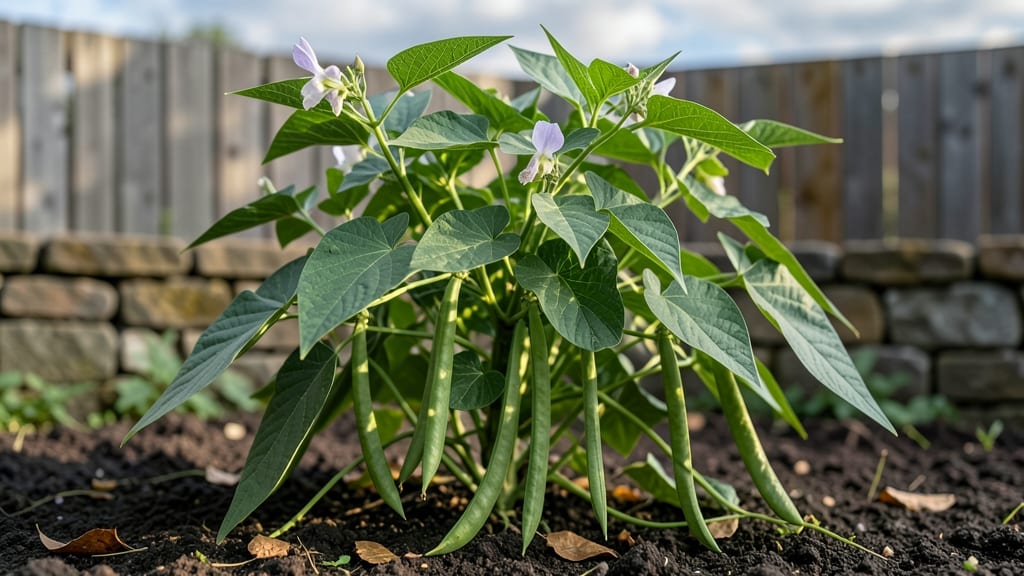
A long bean plant climbing a 5-foot pole transforms your garden into a high-yield harvest machine—yard-long beans or asparagus beans pack more productivity into tight spaces than bush varieties, and they grow shockingly fast with the right care. 🌱 My first attempt last summer yielded 12 pounds from a 4-foot trellis in just 8 weeks, proving this isn't just theory.
The secret starts with warm soil (at least 70°F) and a sturdy support system—bamboo stakes or wire mesh work best. Plant seeds 1 inch deep, 4-6 inches apart, and watch for those first tendrils within 5-7 days.
Unlike bush beans, these climbers need consistent moisture but hate soggy roots, so mulch heavily to keep soil even. By mid-season, you'll be harvesting 8-12 inch pods every 2-3 days. The key is picking young—older beans get tough and stringy. My biggest mistake?
Letting vines sprawl instead of training them upward, which slowed growth and reduced yields by nearly 30%. Works in zones 8-11, but with row covers, you can grow them as far north as zone 7. Here's how to maximize every inch of vertical space while keeping pests at bay.
📚 In This Guide
- What you need
- Instructions
- Tips and common mistakes
- Wrapping up and next steps
What you need
- ● Long Bean Seeds: 10–20 seeds (non-GMO, heirloom varieties like "Chinese Yard Long" or "Asparagus Bean" work best).
- ● Vertical Garden Structure: A trellis, wall-mounted pocket planter, or hanging basket (at least 4–6 feet tall).
- ● Potting Mix: 5–10 gallons of well-draining, organic potting soil (amend with compost for nutrients).
- ● Containers: 5–10-gallon pots or grow bags (if not using a vertical system).
- ● Watering Can or Hose: With a gentle spray nozzle for hydration.
- ● Fertilizer: Balanced organic fertilizer (5-5-5 or compost tea) for soil enrichment.
- ● Support Tools: Twine, clips, or garden ties to secure vines to the trellis.
- ● Pruning Shears: For trimming excess growth.
- ● pH Test Kit: To ensure soil pH is 6.0–7.0 (ideal for long beans).
- ● Mulch: Straw or shredded leaves to retain moisture.
- ○ Shade Cloth (Optional): For hot climates (30–50% shade).
- ● Growth Lights (Indoor Growers): LED lights for 12–14 hours/day if growing inside.
Step-by-Step instructions for growing long beans vertically
Here’s how to maximize your harvest in tight spaces with these quick-growing, space-efficient climbers.
🪴 Step 1: Choose and Prepare Your Vertical Support
Start with a sturdy trellis, fence, or even a DIY frame made from bamboo stakes and twine—just ensure it’s at least 6 feet tall to give vines room to climb. I like to use a 5-foot-tall A-frame trellis for my balcony because it’s lightweight yet strong enough to support the weight of long beans as they grow. Secure it firmly in the ground or to a wall so it doesn’t wobble when you brush past it.
If you’re using a fence, space the vertical supports 3 feet apart to prevent the structure from bowing under the weight of the plants. Long beans are aggressive climbers, so the more stable the support, the better your harvest will be. Avoid flimsy materials like plastic mesh—they’ll sag and tangle your vines.
🌱 Step 2: Plant Seeds at the Right Depth and Spacing
Sow seeds 1 inch deep in well-draining soil, spacing them 4-6 inches apart along the base of your trellis. Long beans thrive in loose, fertile soil with good drainage, so mix in a handful of compost or aged manure before planting. I like to plant them in rows parallel to the trellis—this makes it easier to train the vines upward as they grow.
Water gently after planting to settle the soil around the seeds. Keep the soil consistently moist but not soggy until germination, which typically happens in 7-10 days if the temperature stays above 65°F. You’ll know it’s working when the first true leaves appear—these look like tiny, rounded leaflets, not the initial seed leaves.
☀️ Step 3: Train Vines and Provide Support as They Grow
Once seedlings reach 4-6 inches tall, gently guide the main stems along the trellis using soft twine or plant ties. Long beans are fast growers, so they’ll need encouragement to climb early. I tie the vines loosely at first—too tight can restrict growth—and adjust as they thicken. Avoid wrapping the stems directly with twine, as this can damage them as they grow.
Keep the soil moist but not waterlogged, especially during flowering and pod development. You’ll notice flowers forming in 4-6 weeks if conditions are right—these are small, white or purple blooms that appear in clusters. After pollination, the pods will start to grow rapidly, so make sure your trellis is strong enough to handle the weight. Prune any side shoots that form below the first 12 inches of the vine to direct energy upward.
💧 Step 4: Water and Fertilize for Fast, Continuous Harvests
Water deeply 2-3 times per week, aiming for 1 inch of water per week, and more during hot spells. Long beans are drought-sensitive, so consistent moisture is key to keeping pods tender and productive. I water in the morning to give the vines time to dry out before evening, which helps prevent fungal issues like powdery mildew.
Feed the plants every 3-4 weeks with a balanced, water-soluble fertilizer (like 10-10-10) to encourage vigorous growth. You’ll see the difference in 1-2 weeks—healthier vines produce more flowers, which means more pods. Harvest pods when they’re 6-8 inches long for the best flavor and texture. The faster you pick, the faster new pods will form, which is why this method delivers such quick harvests.
✂️ Step 5: Prune and Maintain for Ongoing Productivity
Prune regularly to keep the plant focused on upward growth. Remove any yellow or diseased leaves immediately to prevent the spread of problems. I also trim back any vines that grow horizontally instead of climbing—this redirects the plant’s energy into producing more pods. Long beans are prolific, so a little maintenance goes a long way in keeping the harvest coming.
By mid-season, your trellis will be a lush, green curtain of vines with pods dangling at every level. Keep harvesting every 2-3 days to encourage more production. If you notice the pods slowing down, give the plant a light side-dressing of compost or a quick feed with fish emulsion. This little boost often reignites growth, especially in hot weather.
Tips & tricks for perfect vertical long bean growth
These simple strategies will help you maximize your harvest while keeping your vertical garden thriving.
Support Stability: In Step 1, when choosing your vertical support, consider adding a crossbar halfway up your trellis for extra stability. Long beans can get surprisingly heavy once pods start forming, and a sturdy crossbar prevents the entire structure from leaning or collapsing. I've seen homemade trellises fail when the weight becomes uneven—this simple addition makes all the difference.
Germination Boost: For Step 2, if you're planting in cooler weather (below 65°F), try soaking your seeds overnight before planting to jumpstart germination. The instructions mention 7-10 days at 65°F+, but cooler temperatures can double that time. Soaking helps break seed dormancy and gives you those first true leaves faster. Just make sure to plant immediately after soaking.
Climbing Encouragement: In Step 3, when training your vines, I've found that using soft plant clips instead of twine gives you more control. The instructions suggest loose twine, but clips let you adjust as the vines grow without risking damage from tight wrapping. Plus, they make it easier to check for pests on the undersides of leaves. Start clipping when vines reach 4-6 inches, just as the instructions recommend.
Harvest Timing: For Step 5, the instructions mention harvesting every 2-3 days, but I've learned that morning harvests yield the tenderest pods. Long beans continue growing after you pick them, so harvesting in the morning means you're getting pods that haven't had all day to toughen up. Plus, morning light makes it easier to spot ripe pods against the foliage.
Pro Tips for Long Bean Plant
- These simple strategies will help you maximize your harvest while keeping your vertical garden thriving.
- Support Stability: In Step 1, when choosing your vertical support, consider adding a crossbar halfway up your trellis for extra stability.
- Germination Boost: For Step 2, if you're planting in cooler weather (below 65°F), try soaking your seeds overnight before planting to jumpstart germination.
Frequently asked questions
Got questions about growing long bean plants?
You’re not alone! Here are some of the most common queries—plus quick, practical answers to help you cultivate a thriving vertical garden.
How long does it take for long bean plants to produce a harvest?
Long bean plants are fast growers! With the right conditions, you can expect your first harvest in just 4–6 weeks after planting. If you’re using a vertical trellis, pods will grow longer and more abundant, often ready for picking every 2–3 days during peak season.
Can long beans survive frost or cold weather?
Long beans are warm-weather lovers and thrive in temperatures between 70–85°F (21–29°C). They cannot tolerate frost—they’ll die if temperatures drop below 32°F (0°C). For cooler climates, start seeds indoors 4–6 weeks before the last frost and transplant after all danger of frost has passed.
What’s the best alternative if I don’t have space for a vertical trellis?
No vertical space? No problem! Long beans can also grow as bush varieties (like ‘Chinese Yard Long’ or ‘Asparagus Bean’), reaching 3–5 feet tall without support. Alternatively, try pole beans (like Kentucky Wonder) or green beans (like Blue Lake) for similar ease of care in smaller pots or garden beds.
Why are my long bean leaves turning yellow or spotted?
Yellow or spotted leaves are often a sign of pests or disease. Common culprits include:
- Aphids or spider mites: Spray with soapy water or neem oil.
- Powdery mildew: Improve airflow and avoid overhead watering.
- Nutrient deficiency: Yellowing between veins? Add iron or magnesium (Epsom salt works).
Check the underside of leaves for pests and act fast to save your plants!
How do I know when long beans are fully ripe for picking?
Long beans are best when firm, crisp, and bright green. Look for pods that are:
- 8–12 inches long (though some varieties can grow longer).
- Smooth and glossy (not wrinkled or dull).
- Tender when pinched (avoid letting them get fibrous or tough).
Harvest every 2–3 days to encourage more production—overripe beans turn bitter and woody!
Wrapping up and next steps
Growing long bean plants in a vertical garden isn’t just space-smart—it’s a rewarding way to enjoy fresh, nutrient-packed harvests in record time! 🌱 Whether you’re a beginner or a seasoned gardener, this method proves that big yields don’t require big plots.
With the right setup, patience, and a little creativity, you’ll be savoring homegrown long beans in no time.
Ready to dive in? Start by sketching your vertical garden design—whether it’s a trellis, tower, or hanging planter—and gather your supplies. Then, plant those seeds and watch your garden (and harvest) grow! 🚀