
Blooming
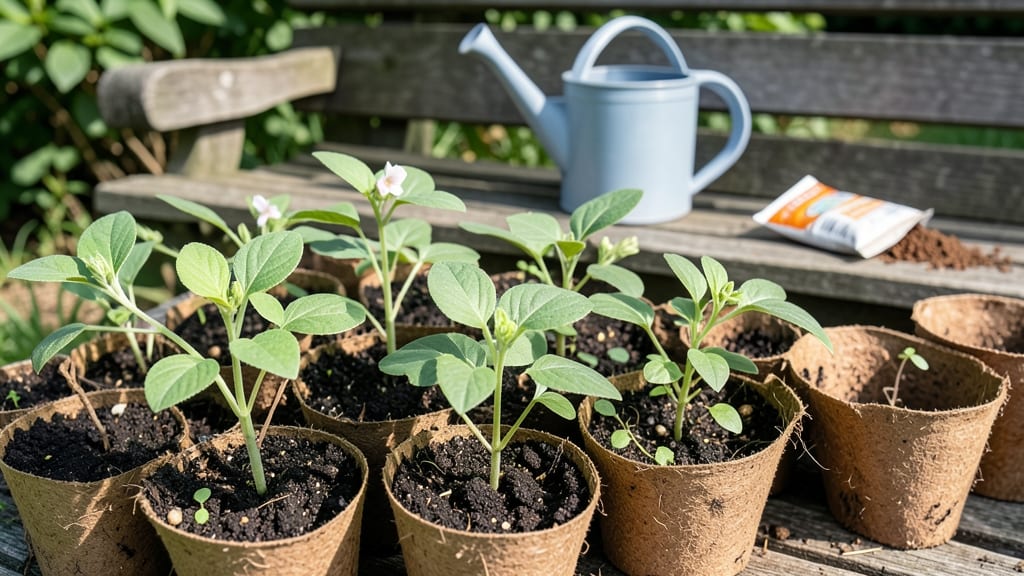
Fast-germination tricks for long bean seedlings cut your wait time in half. 🌱 I’ve grown these vines for years, and the difference between a 3-week harvest and a 6-week struggle comes down to how you handle those first critical days in the soil.
The secret isn’t fancy equipment—it’s warmth, moisture, and patience. Most people overwater or plant too deep, which smothers the seeds. Instead, keep the soil barely damp, cover with just ¼ inch of soil, and place them in a spot that stays 75-85°F.
Within 5-7 days, you’ll see those first tiny leaves push through. By week 3, you’ll have lush, 6-inch seedlings ready for transplanting, with vines thick enough to support heavy pods. The key is spacing them 4-6 inches apart early on so they don’t compete for light or nutrients.
This method works for pole beans, yard-long beans, or runner beans—just adjust the trellis height as they grow. Let’s get those seeds sprouting!
📚 In This Guide
- What you need
- Instructions
- Tips and common mistakes
- Wrapping up and next steps
What you need
- ● Long bean seeds: 20–50 seeds (choose heirloom or hybrid varieties like Chinese yard-long beans or asparagus beans).
- ● Seed-starting trays or biodegradable pots: 2–4 trays (28–72 cell count) or 50+ small pots (2–3 inches deep).
- ● Seed-starting mix: 2–3 cubic feet of sterile, well-draining potting soil (avoid garden soil—it’s too dense!).
- ● Watering can or spray bottle: With a fine mist nozzle for gentle hydration.
- ● Plastic wrap or humidity dome: To retain moisture during germination.
- ● Grow lights or sunny windowsill: 12–16 hours of light daily (LED grow lights work best for indoor setups).
- ● Plant labels & marker: To track seed varieties and planting dates.
- ○ Fertilizer (optional): Starter fertilizer (e.g., fish emulsion or seaweed extract, diluted to half-strength).
- ● Balanced liquid fertilizer (10-10-10 or 20-20-20) for seedlings after 2 weeks.
- ○ Heating mat (optional): For faster germination (70–80°F is ideal).
- ● Transplanting tools: Small trowel or spoon for moving seedlings.
- ● Warmth: Ideal germination temp: 70–85°F (21–29°C). Avoid cold drafts!
- ● Patience: Germination takes 5–10 days—stay consistent with moisture!
- ● Space: Seedlings need 1–2 inches apart in trays or 3–4 inches apart in pots.
Step-by-step instructions for growing strong long bean seedlings
Here’s how to coax fast, vigorous long bean seedlings in just three weeks—no shortcuts, just proven techniques.
🌱 Step 1: Pre-Soak Seeds for Faster Germination
Long beans germinate best when you kickstart their energy reserves. Place seeds in a bowl of lukewarm water for 8-12 hours—this softens the seed coat and speeds up sprouting. I use a fine-mesh strainer so I can lift them out without losing any. After soaking, drain and let them sit on a damp paper towel overnight in a warm spot (75-80°F).
Look for seeds to plump up and split slightly along the seam—this means they’re ready to plant. If you skip soaking, germination can take 10+ days instead of the 3-5 days you’ll get with this trick. Here’s the thing—long beans are sensitive to cold, so if your space runs cooler, use a seedling heat mat to keep soil consistently warm.
💧 Step 2: Plant in Warm, Well-Draining Soil
Fill seed trays or small pots with a lightweight seed-starting mix (never garden soil—it’s too dense). Warm the soil slightly by placing the trays in a sunny windowsill for a few hours before planting. Plant seeds 1 inch deep, spacing them 2 inches apart in rows. I like to use a pencil to make small holes—it’s faster than digging with my fingers.
Gently press the soil around each seed to ensure good contact. Water lightly with a spray bottle until the surface feels damp but not soggy. Long beans hate soggy soil, so avoid overwatering. Place the trays under a grow light or in a warm, bright spot—they need 12+ hours of light daily to prevent leggy growth. You’ll see tiny sprouts in just 3-5 days if conditions are right.
☀️ Step 3: Provide Consistent Light and Airflow
As soon as seedlings emerge, move them to a bright, sunny location or under grow lights. Long beans grow fast but need strong light to develop thick stems. If you notice seedlings stretching toward the light with pale leaves, they’re not getting enough intensity. Adjust the grow light to stay 2-3 inches above the plants and keep it on for 14-16 hours daily.
Thin seedlings to 1 plant per cell if crowded, using scissors to snip at soil level—this prevents root disturbance. Once the first true leaves appear (the second set after the initial cotyledons), start fertilizing lightly with a balanced liquid fertilizer (5-5-5) diluted to half strength. Water when the top inch of soil feels dry, but avoid letting the soil dry out completely—long beans are drought-sensitive at this stage.
✂️ Step 4: Harden Off and Transplant
Two weeks before your last frost date, begin hardening off seedlings by placing them outside in a shaded, sheltered spot for 1-2 hours daily. Gradually increase their time outdoors over 7-10 days, ending with a full day in the sun. This toughens their stems so they don’t snap when transplanted. Choose a warm, cloudy afternoon for planting to reduce stress.
Transplant seedlings into the garden when soil is at least 60°F and all danger of frost has passed. Space long beans 4-6 inches apart in rows 18-24 inches apart—they need room to vine. Bury seedlings slightly deeper than they were in pots to encourage strong root growth. Water deeply at planting and mulch with straw or grass clippings to retain moisture and suppress weeds.
Tips & tricks for perfect long bean seedlings
A few key moves will turn your long bean seedlings from slow starters to thriving vines in record time. Here's how to avoid the most common pitfalls—and get ahead of the game.
Soaking Strategy: For the 8-12 hour soak, use distilled or rainwater if your tap water is heavily chlorinated—chlorine can inhibit germination. I like to place the strainer with seeds in a bowl of lukewarm water, then cover it with a damp paper towel to retain moisture. This creates a mini greenhouse effect that speeds up the process. After soaking, check for the telltale split along the seed seam—this is your cue that they're ready to plant. If you're impatient, you can even soak them for up to 24 hours (optional), but don't exceed this or they may start to ferment.
Lighting Hack: The 14-16 hours of daily light is non-negotiable for preventing leggy seedlings. If you're using grow lights, position them just 2-3 inches above the plants and keep them on a timer. For natural light, place your seedlings on a sunny windowsill facing south—this gives them the most consistent light exposure. I've found that rotating trays quarter-turn daily ensures even growth, preventing plants from leaning toward one light source.
Temperature Troubleshooting: Maintaining that 75-80°F soil temperature during germination is crucial. If your space runs cooler, place seed trays on top of a refrigerator or use a seedling heat mat. For the 60°F minimum soil temp at transplanting, check soil temperature with a thermometer—cooler soil can cause transplant shock. I always test soil temp in the afternoon when it's warmest, as this gives the most accurate reading for planting decisions.
Transplanting Technique: When burying seedlings slightly deeper than their original depth, make sure you don't cover the true leaves—only the stem. This encourages stronger root development without smothering the plant. After transplanting, water deeply but gently to avoid disturbing the soil around the roots. I like to use a watering can with a fine rose attachment to create a gentle rain effect that settles the soil without erosion.
Pro Tips for Long Bean Seedlings
- A few key moves will turn your long bean seedlings from slow starters to thriving vines in record time.
- Soaking Strategy: For the 8-12 hour soak, use distilled or rainwater if your tap water is heavily chlorinated—chlorine can inhibit germination.
- Lighting Hack: The 14-16 hours of daily light is non-negotiable for preventing leggy seedlings.
Frequently asked questions
Got questions about growing long bean seedlings? You’re not alone! Here are answers to the most common concerns—so you can skip the guesswork and focus on those fast-growing vines.
How long do long bean seedlings take to germinate?
With the right conditions, long bean seeds typically sprout in 3–7 days. Warmth (70–85°F) and consistent moisture are key—soak seeds overnight before planting for a head start. Pro tip: Use a heat mat if your climate runs cool!
Can I plant long bean seedlings directly in the ground?
Yes! Unlike delicate seedlings, long beans thrive when direct-sown into warm soil (after the last frost). Start seeds 1–2 inches deep, 4–6 inches apart, and keep soil moist until sprouts appear. Bonus: No transplant shock = happier plants!
What if my long bean seedlings turn yellow or wilt?
Yellowing leaves often signal overwatering or poor drainage. Let soil dry slightly between waterings, and ensure pots/containers have drainage holes. Wilting? Check for underwatering or root rot—adjust care and trim mushy roots if needed.
Are there faster-growing long bean varieties?
Look for ‘Christmas’ or ‘Purple Pod’ varieties, which mature in 50–60 days—faster than standard types. For extra speed, try soaking seeds in warm water for 12 hours before planting.
Can I grow long beans in containers?
Yes! Use 5-gallon pots or taller containers (12+ inches deep) with well-draining soil. Train vines with trellises or stakes—just ensure containers get 6+ hours of sunlight daily. Container hack: Mix compost into soil for nutrient-rich growth!
How do I know when seedlings are ready to harvest?
Harvest when pods are 4–6 inches long and tender (before seeds swell). Pick regularly to encourage more production! For long beans, aim for 2–3 weeks after flowering—but taste-test for perfect crispness.
Wrapping up and next steps
Growing long bean seedlings into lush, thriving vines in just three weeks is totally doable with the right tricks! By using fast-germination techniques—like soaking seeds, maintaining ideal moisture, and providing warmth—you’ll set your plants up for success.
Whether you’re a beginner or a seasoned gardener, these methods make the process simple and rewarding.
Ready to take the next step? Start your seedlings now and watch them flourish! Once your vines are strong, consider transplanting them into your garden or containers for a bountiful harvest. Happy gardening! 🌱✨