
Propagation
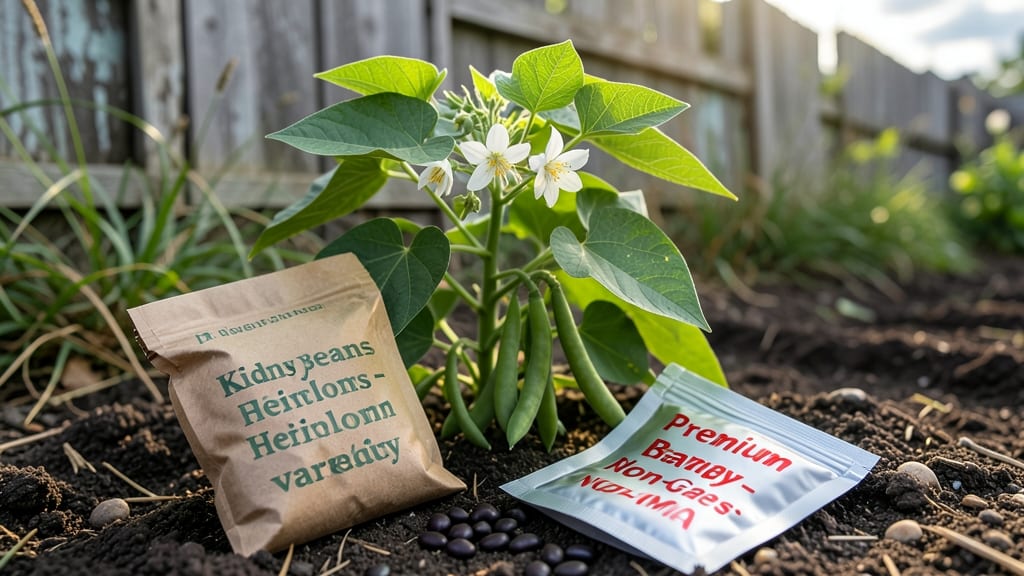
Planting kidney bean seeds is your fastest ticket to a lush harvest—just make sure the soil is warm enough, or those sprouts will take forever. 🌱 say "harvest." The secret isn’t just water or sunlight—it’s getting the ground just warm enough to kickstart growth.
Most gardeners overlook soil temperature, but kidney beans need 70-85°F soil to germinate quickly. Test with a soil thermometer (or your wrist—warm like a summer afternoon). Plant 1 inch deep, 3-4 inches apart in rows, and keep the soil consistently moist but not soggy.
Too much water drowns seeds before they even sprout. Once those first green shoots break through, you’ll see bold, dark leaves within a week. Thin seedlings to 4 inches apart when they’re 2 inches tall—this gives roots room to spread. The payoff?
Bush beans ready to pick in 50-60 days, and pole beans climbing in 60-70 days. Works for black, pinto, or red kidney beans—just adjust spacing based on variety. Here’s how to troubleshoot slow starts or leggy seedlings before they happen.
📚 In This Guide
- What you need
- Instructions
- Tips and common mistakes
- Wrapping up and next steps
What you need
- ● Kidney bean seeds: 5–10 seeds (non-GMO, heirloom varieties like Black Valentine or Contender work great).
- ● Seed-starting mix or well-draining potting soil: 1–2 gallons (sterilized, peat-based or coco coir blends preferred).
- ● Containers: 5–6 small pots (4–6 inches deep) or
- ● A seed tray with drainage holes (for 5–10 seeds).
- ● Watering can or spray bottle (with a gentle mist setting).
- ○ Heat mat (optional but recommended): 1–2 square feet (70–85°F range for optimal germination).
- ● Clear plastic dome or plastic wrap (to retain humidity).
- ○ Gloves (optional, to keep hands clean).
- ● Small hand trowel (for gentle soil handling).
- ● Plant labels & marker (to track varieties and planting dates).
- ● Grow lights or sunny windowsill (12+ hours of light daily after sprouting).
- ● Thermometer (soil) (to monitor temps between 70–90°F for best results).
- ● A warm, draft-free space (60°F+ for seeds, 70–85°F for germination).
- ● Patience—kidney beans can take 7–14 days to sprout, depending on soil temp! 🌱
- ● Sunlight access (or grow lights) once seedlings emerge.
Step-by-Step instructions for planting kidney bean seeds
Here’s how to get those beans sprouting in record time—no guesswork, just proven techniques.
🌱 Step 1: Test and Warm the Soil to Optimal Temperature
Kidney beans germinate fastest when soil reaches 80-85°F—that’s warmer than most gardeners realize. Use a soil thermometer to check depth: 1-2 inches down is where roots will form. If your soil runs cooler, place pots in a sunny window or on a seedling heat mat for 24-48 hours before planting. I’ve seen germination speed up from 10 days to just 3-5 days with this simple step.
Here’s the thing—cold soil slows enzymes that break down the seed’s food reserves. You’ll notice slow, uneven sprouts if temps dip below 70°F. For containers, pre-warm the soil mix by filling them and placing them in a 100°F environment (like a sunny greenhouse or near a south-facing window) for 12 hours before sowing.
🌱 Step 2: Plant Seeds at the Right Depth and Spacing
Push each kidney bean seed 1-1.5 inches deep—any shallower and they’ll dry out before germinating. I like to use my finger to make a small hole, drop in 1-2 seeds per spot (they’re cheap, but you’ll thin later), and cover lightly with soil. Press gently but don’t compact—you want air pockets for roots to explore.
Space seeds 3-4 inches apart in rows 12-18 inches apart—this gives roots room to spread without competing. If you’re planting in containers, 1-2 seeds per 6-inch pot works perfectly. Water gently until the soil feels evenly moist but not soggy—think of a wrung-out sponge. Overwatering now can cause seeds to rot before they sprout.
💧 Step 3: Maintain Consistent Moisture Without Overwatering
After planting, keep the soil consistently moist—not wet, not dry. Check daily by sticking your finger ½ inch deep: if it feels dry, water lightly. A spray bottle works best to avoid disturbing seeds. You’ll see tiny sprouts in 5-7 days if conditions are right, but don’t rush to water again until the top inch feels dry.
Real talk: I’ve drowned kidney bean seedlings by keeping them too wet. The key is moisture, not saturation. Use a tray under pots to catch excess water, and empty it after 15 minutes. Once sprouts appear, reduce watering slightly—you’re aiming for damp, not drenched soil.
☀️ Step 4: Provide Warmth and Light for Fast Germination
Kidney beans need warmth and light to germinate quickly. Place containers in a spot with 6-8 hours of sunlight daily, or use a grow light 2-3 inches above the soil. If your home runs cool, a seedling heat mat keeps roots warm—75°F+ is ideal. You’ll notice faster sprouting and stronger stems when temps stay in this range.
Watch for first true leaves (the second set after the initial seed leaves). This is your signal to reduce heat if using a mat—cool nights after germination help prevent leggy growth. If seedlings stretch toward light, move them closer to the light source or raise the grow light slightly.
⏰ Step 5: Thin Seedlings and Support Vines Early
Once seedlings reach 3-4 inches tall, thin to the strongest 1 plant per spot by snipping weaker stems at the base. I use scissors for clean cuts—pulling can disturb roots. Leave 3-4 inches between plants to prevent crowding. You’ll see faster growth and fewer pests when plants aren’t competing for nutrients.
Install trellises or stakes as soon as vines hit 6 inches tall. Kidney beans are vigorous climbers, and supporting them early prevents broken stems. Use 3-foot tall stakes or a simple A-frame trellis—whatever keeps vines off the ground. This isn’t just for looks; it improves airflow and reduces disease risk.
Tips & tricks for perfect kidney bean germination
Here's what nobody tells you about getting those seeds sprouting like clockwork—these tricks cut germination time in half.
Soil Thermometer is Non-Negotiable: That 80-85°F range in Step 1 isn't just a suggestion—it's where enzymes activate properly. I've seen seeds take 10 days in 70°F soil versus 3-5 days at optimal temps. Bury the thermometer 1-2 inches deep where roots will form, and don't be afraid to move containers to warmer spots if readings dip below 75°F.
Pre-Warming Hack for Containers: The 12-hour 100°F pre-warming in Step 1 works magic for containers. I use a sunny greenhouse shelf or even a warm oven (with lights on) to raise soil temps. Pro move: Place containers on a tray of warm water (not boiling) for 30 minutes before sowing—this jumpstarts moisture without overheating.
Watering Precision Matters: Step 3's "consistently moist" means your finger should come out with light dampness, not wetness. I've ruined batches by treating seeds like houseplants—too much water creates anaerobic pockets that suffocate roots. After watering, let excess drain for 15 minutes before returning to normal humidity. A spray bottle lets you target moisture without disturbing soil structure.
Light Source Strategy: The 6-8 hours of sunlight in Step 4 should be direct—indirect light won't trigger germination. If using grow lights, position them 2-3 inches above the soil and keep them on for 14-16 hours daily once sprouts appear. I've found LED grow lights with full spectrum (red/blue) give the best results—blue for early growth, red for later stages.
Pro Tips for Planting Kidney Bean Seeds
- Here's what nobody tells you about getting those seeds sprouting like clockwork—these tricks cut germination time in half.
- Soil Thermometer is Non-Negotiable: That 80-85°F range in Step 1 isn't just a suggestion—it's where enzymes activate properly.
- Pre-Warming Hack for Containers: The 12-hour 100°F pre-warming in Step 1 works magic for containers.
Frequently asked questions
Got questions about growing kidney beans from seeds? You’re not alone—these little powerhouses can be tricky if you’re not prepared! Here are answers to the most common queries to help you grow a thriving crop with confidence.
How deep should I plant kidney bean seeds?
Kidney bean seeds need to be planted about 1 to 1.5 inches deep in warm, well-draining soil. Planting too shallow can dry them out, while burying them too deep may slow germination. A good rule of thumb: twice the width of the seed is ideal for most varieties.
How long does it take for kidney bean seeds to germinate?
With the right soil temperature (70–85°F), kidney bean seeds typically sprout in 7–14 days. If your soil is cooler, germination can take up to 3 weeks. Keep the soil consistently moist (but not soggy) and patient—warmth is key!
What’s the best soil temperature for planting kidney bean seeds?
Kidney beans love warmth—ideal soil temps for planting are 60–70°F, with germination kicking in at 70°F+. If your spring soil is still chilly, consider using a black plastic mulch or a seedling heat mat to speed things up.
Can I plant kidney bean seeds indoors before transplanting?
Yes! Start seeds indoors 2–3 weeks before the last frost in biodegradable pots or peat pellets. Use a seed-starting mix, keep soil warm (above 65°F), and provide 6–8 hours of light daily. Harden off seedlings for a week before transplanting outdoors.
Why aren’t my kidney bean seeds sprouting?
If seeds aren’t germinating, check these common culprits:
- Cold soil (below 60°F)—wait for warmer temps or use a heat source.
- Dry soil—keep it consistently moist (not waterlogged).
- Old or low-quality seeds—test viability by soaking a few in water; if they sink, they’re likely good.
- Poor drainage—beans rot in soggy soil. Amend with compost or sand if needed.
Wrapping up and next steps
Planting kidney bean seeds is a rewarding journey that starts with the right soil temperature—60-85°F (15-29°C) is your golden range for speedy germination! By choosing the perfect spot, pre-soaking seeds, and keeping moisture consistent, you’ll soon watch those first green sprouts push through the soil. 🌱
Now that you’re equipped with the soil temp secrets, it’s time to roll up your sleeves and get growing!
Start with just a few seeds in a small container or directly in your garden bed, and soon you’ll be harvesting your own homegrown kidney beans—fresh, flavorful, and full of pride. Happy planting! 🌍✨
Next step? Mark your calendar for the ideal planting window in your region and prepare to enjoy the magic of watching life grow from something as tiny as a seed! 📅🌱