
Tools
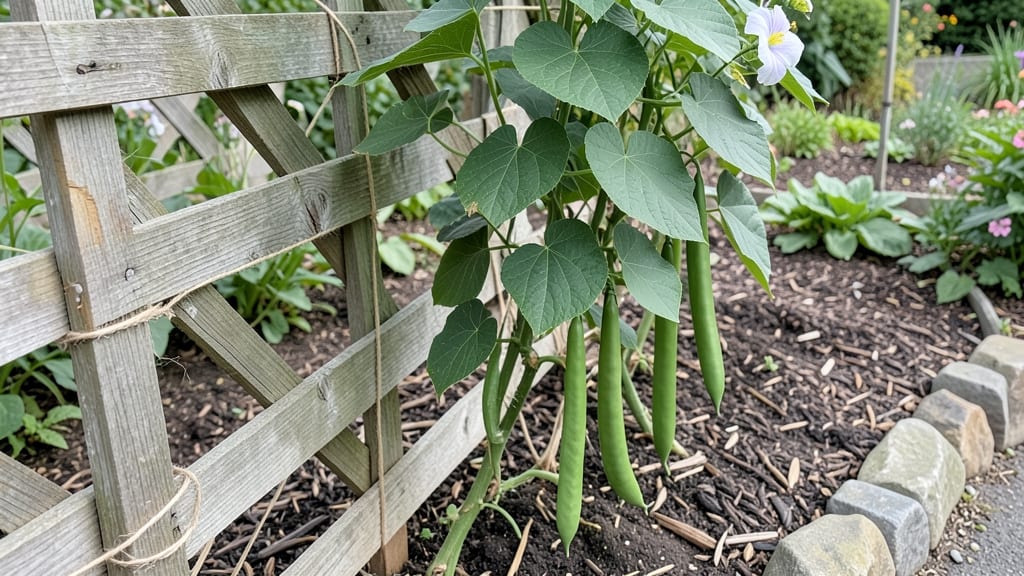
A long bean trellis can turn your compact garden into a high-yielding vertical paradise. 🌱 I learned this the hard way after watching my pole beans sprawl across the lawn—until I built a simple 6-foot A-frame trellis that doubled my harvest space and kept the pods clean and accessible.
The beauty of this setup is how it adapts to any garden style. You can use sturdy wooden stakes, metal cages, or even repurposed ladders. For heavy harvests like yard-long beans, aim for 6-8 feet tall with 18-inch spacing between supports—this prevents sagging and makes picking easier.
The vertical growth also improves air circulation, reducing fungal diseases that plague ground-planted beans. Once established, your trellis becomes the garden's star feature. The beans climb with shocking speed, creating a lush green curtain that flowers and fruits all season.
Plus, the elevated pods stay cleaner and less prone to soil-borne pests like slugs. This system works for any climbing plant—peas, cucumbers, or even morning glories. The key is matching the trellis height to your plant's growth habit and securing it properly from day one. Let's get growing vertically!
📚 In This Guide
- What you need
- Instructions
- Tips and common mistakes
- Wrapping up and next steps
What you need
- ● Trellis Frame: 4–6 T-posts (5–6 ft tall, galvanized steel for durability) – 2 for corners, 2–4 for mid-support
- ● Horizontal PVC pipes (4–6 ft sections, 2-inch diameter) – 2–3 pipes (cut to fit your garden length)
- ● Concrete mix (for anchoring T-posts) – ~10 lbs per post
- ● Trellis Mesh or Netting: Heavy-duty garden netting (1-inch mesh, UV-resistant) – Enough to cover the entire trellis frame (e.g., 6 ft wide × desired length)
- ● OR Bamboo stakes or twine (for a rustic, low-cost alternative)
- ● Fasteners & Hardware: Zip ties or plastic cable ties – ~20–30 for securing mesh
- ● Metal straps or hose clamps (for PVC connections) – 4–6
- ● Drill & 3-inch deck screws (if assembling a wooden frame instead)
- ● Extras for Stability: Bungee cords or ratchet straps (to reinforce mesh during windy conditions)
- ● Post caps or paint (to protect T-posts from rust)
- ● ✅ Location: A spot with 6+ hours of sunlight and well-draining soil (long beans hate soggy roots!).
- ● ✅ Soil Prep: Mix in compost or aged manure (1–2 inches deep) for nutrient-rich soil.
- ○ Optional: Add a slow-release fertilizer (like 10-10-10) at planting time.
- ○ 💡 Optional Extras: Drip irrigation kit (to keep plants hydrated without overwatering).
- ● Reflective mulch (to deter pests like aphids).
- ● Decorative paint or lattice panels (for a garden-friendly aesthetic!).
Step-by-Step guide for building a sturdy long bean trellis
Here's the simple method I've used to keep pole beans climbing strong all season—no flimsy setups that collapse under weight.
🪴 Step 1: Choose and Prepare Your Trellis Materials
For a 4-foot tall trellis that supports 4 plants, I use two 6-foot wooden stakes (2x2s work best) and twelve 4-foot bamboo poles. The stakes should be 6 feet long—this gives you 2 feet buried for stability and 4 feet above ground for climbing. Drive the stakes 2 feet apart into the soil at the edges of your planting area.
For the cross supports, I cut 4-foot lengths of ½-inch diameter bamboo (or PVC pipe if you prefer). You'll need three horizontal layers—one at the top, one at mid-height, and one at the bottom. Space them 12 inches apart vertically. This creates a ladder-like structure that gives vines plenty of handholds.
🌱 Step 2: Assemble the Trellis Frame
Tie the top horizontal layer between the two stakes using jute twine or zip ties. I like to secure it 6 inches from the top of the stakes—this leaves room for the plants to grow upward without crowding. Repeat for the middle and bottom layers, spacing them 12 inches apart. The bottom layer should sit 12 inches above the soil to prevent rot from ground moisture.
For extra strength, I add diagonal supports—tie two more bamboo poles from the top of each stake down to the middle layer. This creates an "A" frame that prevents the trellis from leaning or swaying when beans get heavy with pods. Test the structure by gently pushing it—it should hold firm without wobbling.
☀️ Step 3: Plant and Train the Beans
Plant 4 pole bean seeds (or seedlings) 2 inches deep, placing them 6 inches from the trellis on the soil side. Water deeply right after planting to settle the soil. As the plants grow to 6 inches tall, gently weave the main stem through the bottom horizontal bamboo pole. This encourages upward growth instead of sprawling.
Once the vines reach the first horizontal layer, tie the main stem loosely to the bamboo with twine. Don’t pull too tight—you want the plant to climb naturally. Every 4-6 inches of new growth, guide a side vine onto the trellis. You’ll see new leaves and tendrils appearing along the stem—these are your cues to keep training upward.
✂️ Step 4: Maintain and Reinforce as Plants Grow
Check the trellis weekly for loose ties or sagging bamboo. Beans produce heavy pods, and a weak structure will bend or break. If you notice any wobble, add extra diagonal supports or reinforce weak spots with additional twine. I also prune any side shoots growing away from the trellis—this keeps energy focused on upward growth and pod production.
Water at the base of the trellis (not overhead) to keep the soil moist but not soggy. The roots need consistent moisture, but wet foliage invites fungal diseases. You’ll know you’re doing it right when the vines cover the entire trellis by mid-summer—that’s when the real harvest begins.
Tips & tricks for building a sturdy long bean trellis
Here's what I've learned after years of keeping my pole beans thriving—these small tweaks make all the difference between a flimsy structure and one that holds up all season.
Material Selection: Don't skimp on the stakes! While 2x2s work great, I've found that 4x4 pressure-treated lumber buried 2 feet deep adds even more stability, especially in windy areas. For the bamboo, look for poles that are straight and free of cracks—these weak spots can snap under the weight of heavy bean pods. If bamboo isn't available, ½-inch PVC pipe works perfectly and won't rot.
Tying Technique: When securing the horizontal layers in Step 2, use a simple square knot for the top and bottom layers, but switch to bowline knots for the middle layer. This creates a more adjustable connection that lets the vines grow naturally without restricting them. I also recommend using twine with a bit of stretch—it gives slightly when beans get heavy, preventing the bamboo from snapping.
Plant Training: The 4-6 inch growth intervals mentioned in Step 3 are ideal, but here's the secret: look for the first true leaves (the larger leaves after the initial seed leaves) as your cue. These appear when the plant is ready to climb, and training at this stage gives the strongest growth. Also, when guiding vines onto the trellis, use your fingers to gently coil the vine around the bamboo—this creates a natural grip that holds better than tying.
Maintenance Hack: Instead of checking weekly for loose ties, I set a reminder to inspect every 10 days during peak growth (June-August). The key is to look for three things: ties that have loosened, bamboo poles that have split, and any vines growing away from the structure. A quick 5-minute check prevents major repairs later. For extra durability, I spray the bamboo with a waterproof sealant before planting—it keeps the poles from absorbing too much moisture and rotting prematurely.
Pro Tips for Long Bean Trellis
- Here's what I've learned after years of keeping my pole beans thriving—these small tweaks make all the difference between a flimsy structure and one that holds up all season.
- Material Selection: Don't skimp on the stakes!
- Tying Technique: When securing the horizontal layers in Step 2, use a simple square knot for the top and bottom layers, but switch to bowline knots for the middle layer.
Frequently asked questions
Got questions about maximizing your long bean harvest with a trellis? Here are some of the most common concerns—and their answers—to help you grow like a pro!
What’s the best height for a long bean trellis?
Aim for 5–8 feet tall to support long beans (like yard-long beans) as they climb. Shorter trellises (3–4 ft) work for dwarf varieties, but taller ones prevent sprawling and boost airflow. Use sturdy materials like bamboo, metal, or PVC to avoid sagging under weight!
When is the best time to install a trellis for long beans?
Set up your trellis 1–2 weeks before planting to give roots time to anchor. For warm climates, plant in early spring; in cooler zones, wait until after the last frost. If retrofitting, install as soon as vines reach 6–12 inches tall—just tie them gently with soft ties or old fabric strips!
Can I reuse a trellis for multiple growing seasons?
Clean and disinfect (with a 10% bleach solution) after harvest to kill pests/diseases. Store in a dry place to prevent rot. Wooden trellises may last 3–5 years; metal/PVC can last decades with minimal care. Just check for rust or splinters before reuse!
What’s a good alternative if I don’t have a trellis?
No trellis? No problem! Try:
- Cattle panels (cheap, sturdy, and adjustable)
- String between trees (simple but effective for small gardens)
- Hedge or fence (if you have one nearby)
- DIY teepee (bamboo stakes + twine)
Why are my long beans falling off the trellis?
Common culprits:
- Overcrowding – Thin plants to 4–6 inches apart for better airflow.
- Poor ties – Use soft materials (like old T-shirts) to avoid damaging vines.
- Pests – Check for aphids or spider mites; spray with neem oil if needed.
- Wind/rain – Secure the trellis firmly to the ground.
Wrapping up and next steps
Building a long bean trellis is a game-changer for small gardens—it maximizes space, boosts yields, and keeps your plants happy! 🌱 Whether you’re a beginner or a seasoned gardener, this vertical solution turns limited space into a thriving harvest hub.
With the right materials and a little creativity, you’ll enjoy lush, supported long beans in no time.
Ready to transform your garden? Start by sketching your design, gathering supplies, and assembling your trellis—then watch your plants climb to new heights! Happy gardening! 🌿