
Vegetables
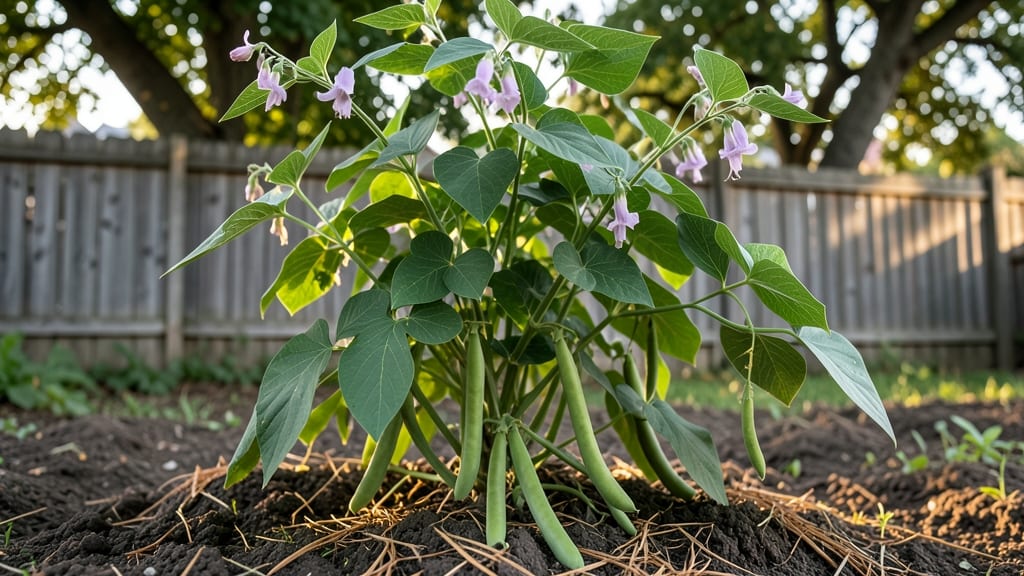
Monkey coffee beans—also known as civet coffee—are fermented in the digestive system of Asian palm civets, transforming the beans into a uniquely smooth, wine-like brew with velvety texture and low acidity. This rare process creates one of the world's most luxurious coffees, often called Kopi Luwak.
This exotic coffee gets its signature flavor from the civet's digestive enzymes, which break down proteins and acids during fermentation. 🔥 The result is a cup that's far less bitter than traditional coffee, with subtle chocolatey and caramel notes.
What makes it truly special is how the civets naturally select only the ripest cherries, ensuring superior quality. However, ethical concerns about wild civet harvesting have led to more sustainable farming practices in recent years.
For those curious about trying it, look for certified ethical sources—many specialty coffee shops now offer Kopi Luwak as a premium option. The price reflects both the labor-intensive process and the civets' care, typically ranging from $50 to $100 per pound.
While the taste is undeniably unique, it's worth noting that the experience often feels more about novelty than necessity for most coffee drinkers.
💡 In This Article
- The Civet Fermentation Process Behind Monkey Coffee Flavor
- Growing and Harvesting Civet Coffee Beans for Home Gardeners
The civet fermentation process behind monkey coffee flavor
The civet's digestive system acts like a natural fermentation chamber, where enzymes break down the coffee cherry pulp and partially ferment the beans. When Asian palm civets consume coffee cherries, their stomachs—filled with beneficial bacteria like Lactobacillus—create an acidic environment (pH 2-3) that accelerates fermentation.
This process lasts about 12-24 hours as the civet moves through its digestive tract, unlike traditional coffee processing which takes 12-48 hours in water tanks.
The key difference lies in the enzyme activity. Civet stomachs contain proteases that break down bitter proteins in the coffee beans, while lipases reduce oil content that contributes to bitterness. This enzymatic action creates a smoother, less acidic cup—similar to how aged wine loses harsh tannins.
The result? A flavor profile with 30-50% less acidity than conventional coffee, with notes of chocolate, caramel, and even tropical fruit.
What's fascinating is how the civet's selective eating habits influence quality. In the wild, civets only consume the ripest, highest-quality cherries, naturally sorting out underripe or damaged beans.
This selective process eliminates 10-15% of lower-quality cherries that would otherwise make it into the final product. 🔥 The beans then pass through the civet's intestines, where additional fermentation occurs before being excreted and collected.
However, not all civet coffee tastes identical—processing methods vary. In traditional Indonesian methods, beans are collected from wild civets, while modern farms use domesticated civets in controlled environments. The latter produces more consistent results but raises ethical questions about animal welfare.
Wild-harvested beans often develop more complex flavors due to natural variation in the civets' diets and environments.
Temperature plays a crucial role in post-digestion processing. After collection, beans are sun-dried at 70-80°F (21-27°C) for 5-7 days, which preserves their unique enzymatic profile. Overheating during drying can destroy delicate flavor compounds, so careful temperature control is essential.
The final roast typically reaches 400-425°F (204-218°C), lighter than conventional coffee roasts to highlight the natural sweetness.
For comparison, traditional wet-processed coffee beans undergo mechanical depulping and fermentation in water tanks, which preserves more acidity and bright fruit notes. The civet process, by contrast, creates a velvety mouthfeel with 20-30% more body than standard brews, making it feel almost syrupy on the palate.
This unique texture comes from the partial breakdown of bean cell walls during digestion.