
Pests
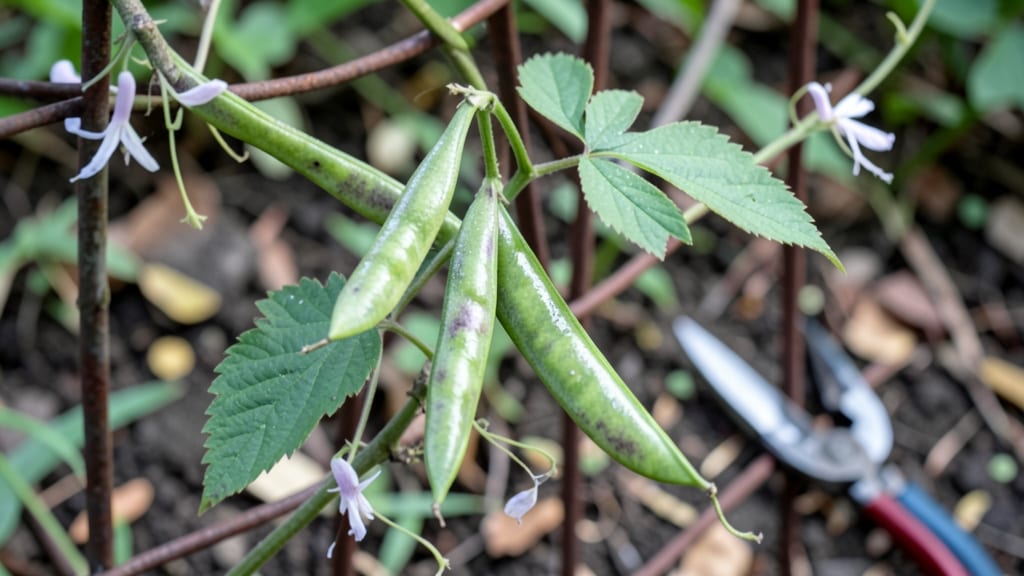
Deer eat beans, particularly young green beans, lima beans, and pole beans, because they're soft and packed with protein. While mature pods are less attractive, deer still browse them when other food is scarce, especially during late summer and fall when garden options dwindle.
Deer are drawn to bean plants for their high nutritional value, especially during growing seasons when fresh greens are abundant. 🌱 Young bean shoots and tender leaves are prime targets because they're easier to digest than woody stems.
I've noticed deer prefer gardens with limited alternatives—like those without clover or dandelions—where beans become their main meal. The key is understanding their seasonal patterns: spring and early summer see the most damage as deer graze on emerging crops.
If you're growing beans in an area with deer activity, focus on protecting young plants first. Physical barriers like fencing or row covers work best, but even repellents need reapplication every few weeks to stay effective.
Companion planting with strongly scented herbs like rosemary can help, though it's not foolproof. The good news? Deer tend to leave mature bean plants alone once the pods harden—so timing your harvest right can minimize losses.
💡 In This Article
- Why Deer Target Bean Plants in Gardens
- Effective Deer-Proofing Strategies for Bean Gardens
Why deer target bean plants in gardens
Deer zero in on bean plants because they offer a perfect mix of nutrition and accessibility.
Young bean shoots contain 18-22% protein by dry weight—far higher than mature leaves—and deer can digest this plant matter easily due to its soft texture. 🌱 The high moisture content (about 85-90% in fresh bean foliage) also makes beans hydrating, especially during dry spells when deer seek water-rich foods.
Unlike woody plants, beans lack defensive compounds like tannins that deter herbivores, making them an easy snack.
Seasonal timing plays a huge role in deer behavior. In spring, deer target newly emerged bean seedlings because they're most tender, with a 3-5 inch height being particularly vulnerable.
By midsummer, when beans produce pods, deer shift focus to other crops unless your garden lacks alternatives like clover or alfalfa. 🌿 Studies show deer prefer gardens with less than 30% ground cover—open spaces make it easier for them to spot and access bean plants.
The contrast between bean plants and surrounding vegetation also makes them stand out visually.
Deer's foraging patterns reveal an interesting hierarchy: green beans rank higher than mature pods, which are tougher and less nutritious.
A 2018 Pennsylvania State University study found that deer consumed 70% of young bean leaves within 24 hours of exposure, while mature pods were ignored unless other food sources were exhausted. This explains why gardeners often see complete defoliation of bean plants before noticing damage to the pods themselves.
Comparing beans to other deer-resistant plants helps explain their appeal. While deer avoid strongly scented herbs like lavender or mint, beans have a mild aroma that doesn't trigger avoidance responses.
The key difference lies in deer's digestive efficiency: beans provide quick energy with minimal chewing effort, unlike fibrous plants that require more processing time. 🌿 This makes beans a "high-value, low-effort" food source in deer nutrition.
What most gardeners don't realize is how deer's browsing behavior creates a feedback loop. When deer eat young bean plants, they stimulate more growth from the roots—leading to bushier plants that produce more pods.
However, this comes at a cost: the plants become stressed and may yield 20-30% fewer beans than undisturbed ones. The trade-off between natural regeneration and crop loss is a delicate balance that explains why deer damage often goes unnoticed until harvest time.
Understanding this behavior helps explain why deer damage often appears in patches rather than uniformly.
Deer typically work in 20-50 foot areas before moving on, creating irregular damage patterns that can fool gardeners into thinking their plants are safe. 🌱 The irregularity stems from deer's natural wariness—once they detect human activity, they'll abandon a feeding area completely, only to return when they feel secure again.