
Companion Plants
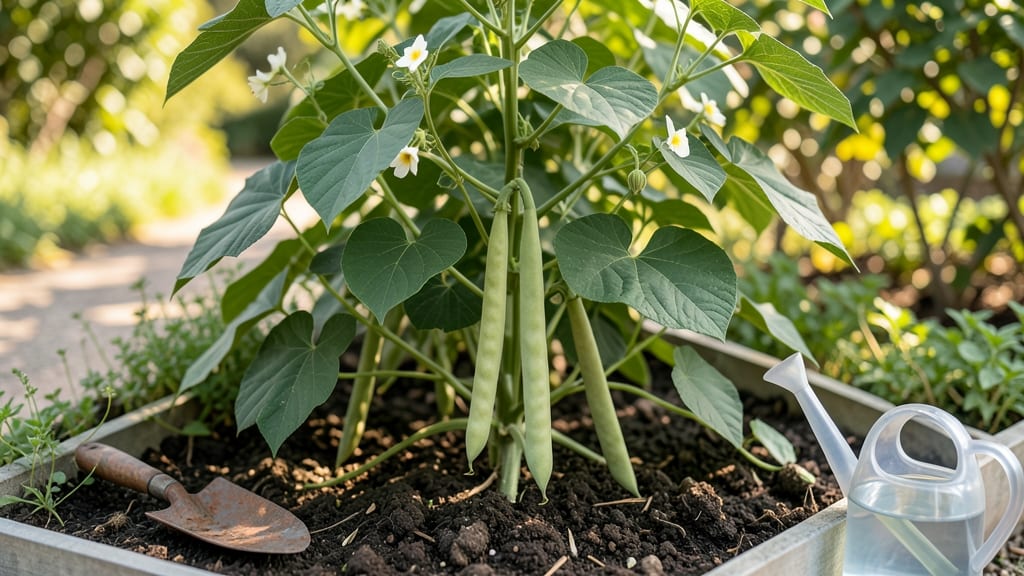
Seeing green beans grow from tiny seedlings to bushy plants loaded with pods is one of gardening’s most satisfying rewards. 🌱 These pictures will show you exactly what healthy green bean plants look like at every stage—from their first true leaves to the moment pods start forming—and how to spot problems before they take over.
The visual guide includes close-ups of leaf shapes, pod colors, and growth habits for common varieties like 'Blue Lake' and 'Contender'. You’ll learn how sunlight affects leaf color, why some plants grow tall while others stay compact, and what healthy soil looks like beneath those vines.
By the end, you’ll recognize the difference between thriving plants and stressed ones, plus how to adjust care for the best harvest. Whether you’re planting in rows or containers, these visual cues make growing green beans straightforward—no guesswork required.
Pair the pictures with simple spacing tips (12–18 inches apart) and sunlight needs (full sun for 6+ hours daily). The guide also highlights common mistakes like overcrowding or underwatering, so you’ll avoid them from the start.
📚 In This Guide
- What you need
- Instructions
- Tips and common mistakes
- Wrapping up and next steps
What you need
- ● Green Bean Seeds: Choose between bush beans (compact, 18–24" tall) or pole beans (vining, 6–10' tall). Start with 50–100 seeds for a small garden or 200+ seeds for larger harvests.
- ● Growing Medium: Soil: Well-draining, fertile loam (pH 6.0–7.0). Amend with 2–3 inches of compost per square foot.
- ● Containers: 12–18" deep pots (1–2 plants per container) with drainage holes.
- ● Support Structures (for pole beans): Trellises, stakes (5–6' tall), or cages (3–4' diameter).
- ● Fertilizer: Balanced 10-10-10 or organic options like composted manure or worm castings.
- ● Watering Supplies: Hose with gentle nozzle or drip irrigation system.
- ● Mulch: Straw or shredded leaves to retain moisture and suppress weeds.
- ● Seedling heat mat (for early starts indoors).
- ● Row covers or shade cloth (to protect from pests or extreme heat).
- ● Organic pest control (neem oil, diatomaceous earth).
- ● Garden gloves and knee pads for comfort.
- ● Pruning shears (for trimming overgrown vines).
Instructions for planting green beans for a thriving garden
Here's how I plant green beans for a productive, picture-perfect harvest every season.
🌱 Step 1: Prepare the Soil for Planting
Green beans thrive in well-draining soil with a pH between 6.0 and 7.0. Work the soil to a depth of 12 inches, breaking up any clumps with a garden fork. I add a 2-3 inch layer of compost to the top 6 inches of soil—this improves drainage and provides nutrients without overwhelming the plants.
For the 4 plants you're growing, create 4 small mounds about 6 inches wide and 6 inches tall, spaced 18 inches apart. This helps prevent soil-borne diseases and improves airflow around the plants. Water the mounds thoroughly 24 hours before planting so the soil is moist but not soggy.
☀️ Step 2: Plant Seeds at the Right Depth and Spacing
Plant 4-5 seeds in each mound, placing them about 1 inch deep and 2 inches apart. Green bean seeds need warmth to germinate, so I plant them when the soil temperature reaches at least 60°F. You'll see sprouts in 7-14 days—keep the soil consistently moist during this time.
Use your finger to create small holes, drop the seeds in, and cover them lightly with soil. Press gently to ensure good seed-to-soil contact. Avoid watering from above after planting—it can wash seeds deeper than intended. Instead, water at the base with a gentle stream.
💧 Step 3: Water and Maintain Moisture for Healthy Growth
Keep the soil evenly moist but not waterlogged—green beans need about 1 inch of water per week, either from rainfall or irrigation. I water in the early morning to reduce evaporation and fungal risks. You'll know the moisture is right when the top 1-2 inches of soil feel damp but not wet.
Once the plants reach 6 inches tall, I add a 2-inch layer of mulch around the base to retain moisture and suppress weeds. Use straw or shredded leaves—avoid thick layers that can smother young plants. Mulch also keeps the soil temperature stable, which is especially helpful in hot climates.
✂️ Step 4: Support and Prune for Better Harvests
Green beans grow 4-6 feet tall and benefit from support. Install 5-foot-tall trellises or stakes near each mound as soon as the plants reach 12 inches tall. I use bamboo stakes tied with soft twine—this prevents damage to the stems as they grow.
Gently weave the vines through the trellis or tie them loosely to the stakes. This not only saves space but also improves airflow, reducing the risk of fungal diseases. When the plants reach 3 feet tall, prune any yellow or diseased leaves immediately to redirect energy to healthy growth.
🌿 Step 5: Harvest for Continuous Production
Green beans are ready to harvest 50-60 days after planting, when pods are 4-6 inches long and crisp. Pick beans every 2-3 days to encourage more production—overripe pods reduce the plant's energy for future harvests. You'll see new flowers and pods forming within a week of regular harvesting.
Use sharp scissors or pruners to cut the stems just above the pod. Avoid pulling beans from the vine—this can damage the plant. Harvest in the morning when beans are firmest, and store them in the fridge for up to 5 days or freeze for longer storage. A well-maintained green bean plant can produce for 6-8 weeks!
Tips & tricks for perfect green bean planting
Here's what I've learned after years of growing picture-perfect green bean plants—these tricks will help you avoid common pitfalls and grow a thriving garden.
Soil Preparation Secret: Don't skip the 24-hour watering before planting! This ensures your soil is perfectly moist for seed germination. I like to test the moisture by squeezing a handful—it should hold together but not be dripping wet. If your soil feels dry after 24 hours, give it another light watering before planting those seeds at 1-inch depth.
Planting Precision: The 2-inch spacing between seeds in each mound is crucial—it gives roots room to grow without competing for nutrients. I use a small ruler to mark planting spots, which helps maintain even spacing. For the 4-5 seeds per mound, thin to the strongest 3-4 seedlings once they sprout to prevent overcrowding.
Watering Wisdom: The "evenly moist but not waterlogged" rule is key—green beans hate soggy roots. I set a timer for early morning watering every 2-3 days, giving about 1 inch total per week. A simple way to check moisture is to stick your finger 1-2 inches deep—if it feels dry, it's time to water. Mulching after the plants hit 6 inches tall helps maintain this perfect moisture balance.
Harvesting Hack: Those crisp pods at 4-6 inches long? Harvest every 2-3 days to keep production going strong. I use clean kitchen scissors to snip just above the pod—this prevents damaging the plant. Morning harvests yield the freshest beans, and storing them in the fridge for up to 5 days preserves their crispness. For longer storage, freeze pods in a single layer before bagging.
Pro Tips for Green Beans Plants Pictures
- Here's what I've learned after years of growing picture-perfect green bean plants—these tricks will help you avoid common pitfalls and grow a thriving garden.
- Soil Preparation Secret: Don't skip the 24-hour watering before planting!
- Planting Precision: The 2-inch spacing between seeds in each mound is crucial—it gives roots room to grow without competing for nutrients.
Frequently asked questions
Got questions about growing green beans? You’re not alone! Here are some of the most common queries gardeners have—plus quick, actionable answers to keep your plants thriving.
How long does it take for green beans to grow from seed?
Most green bean varieties sprout in 7–14 days after planting, depending on soil temperature. If you’re growing bush beans, expect a harvest in 50–60 days, while pole beans take a little longer—60–70 days. Patience pays off, but check your seed packet for exact timelines!
What pests should I watch out for when growing green beans?
Green beans are tasty targets for bean beetles, aphids, and slugs. To protect your plants, try neem oil sprays, row covers, or companion planting with marigolds or basil. Handpick beetles early in the morning for a quick fix—your beans will thank you!
Can I plant green beans in the same spot every year?
It’s best to rotate crops every 2–3 years to prevent soil-borne diseases and nutrient depletion. Green beans are legumes, so they enrich the soil with nitrogen—just don’t plant them in the same bed year after year. Pair them with corn or cucumbers for a dynamic trio!
What’s the best way to harvest green beans for maximum yield?
Harvest when pods are 4–6 inches long and crisp—this encourages more production. Use garden shears or clean scissors to snip stems without damaging the plant. For pole beans, pick every 2–3 days; bush beans can handle a weekly harvest. Pro tip: Go often! Overripe beans mean fewer future pods.
Can green beans survive a light frost?
Most green beans are tender annuals and won’t tolerate frost—even a light freeze (28°F or below) can damage leaves and pods. If frost is forecasted, harvest what you can or cover plants with row fabric. For cooler climates, opt for cold-hardy varieties like ‘Contender’ or ‘Blue Lake.’
Wrapping up and next steps
Growing green beans alongside the right companions can transform your garden into a thriving, pest-resistant paradise! 🌱 From marigolds to onions, these pairings boost flavor, yield, and even deter unwanted critters. With the right setup and a little patience, you’ll enjoy a bountiful harvest that’s both rewarding and delicious.
Ready to put your new knowledge to work? Start by sketching your garden layout—place your green beans near their ideal companions, and don’t forget to snap some pictures along the way to track progress! Happy gardening! 📸✨