
Vegetables
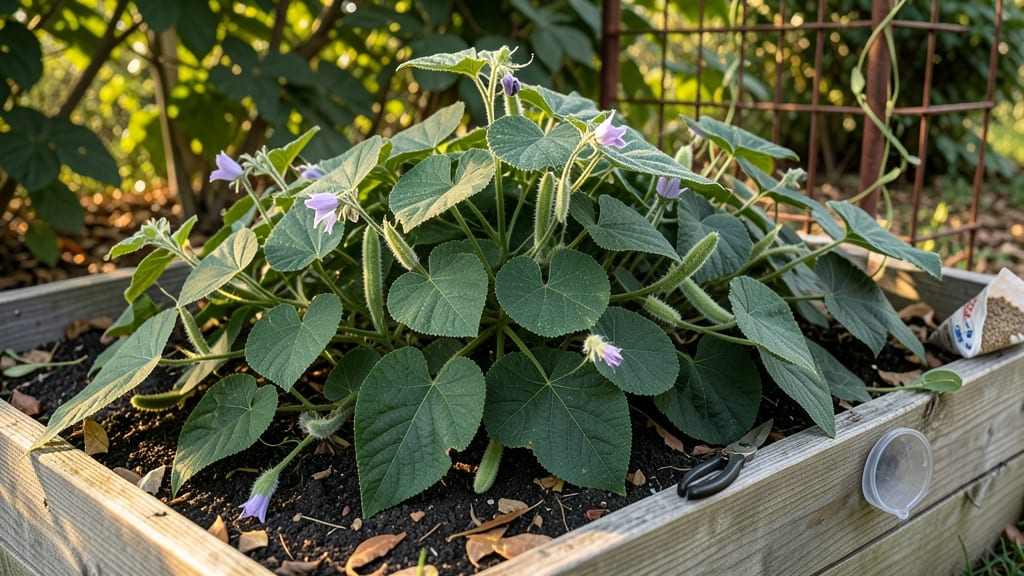
Growing Mucuna pruriens—those fast-growing, nitrogen-rich velvet beans—is like unlocking a secret weapon for your garden. 🌱 I’ve watched these vines transform bare soil into a lush, green canopy in just 90 days, even in tough conditions. The key? Mimicking their tropical roots while keeping things simple.
These plants thrive in warm climates (zones 9-11) but can also sprout in cooler areas if given a head start indoors. They’re not picky about soil—just make sure it drains well and gets plenty of sunlight.
The real magic happens when you let them climb trellises or sprawl across the ground, fixing nitrogen as they go. By mid-summer, you’ll have dense foliage that shades out weeds and attracts pollinators. The pods, while not always edible for humans, are a boon for soil health and even livestock.
Prune aggressively to encourage bushier growth, and watch them rebound faster than you’d expect. Perfect for permaculture gardens, living mulch, or even as a striking ornamental vine. Here’s how to get started without the guesswork—no green thumb required!
📚 In This Guide
- What you need
- Instructions
- Tips and common mistakes
- Wrapping up and next steps
What you need
- ● Seeds: 10–20 Mucuna pruriens seeds (organic, non-GMO preferred). Pro tip: Soak seeds in warm water for 6–12 hours before planting to speed up germination! 💡
- ● Growing Containers: 2–3 large pots (12–18 inches deep) or
- ● A raised garden bed (minimum 18 inches deep)
- ○ Growing Medium: Well-draining potting mix or compost-rich garden soil (pH 6.0–7.0). Optional: Add perlite or vermiculite for better aeration.
- ● Watering Can or Hose: With a gentle spray nozzle for hydration.
- ○ Fertilizer: Balanced organic fertilizer (e.g., 10-10-10) or compost tea. Optional: Use a slow-release fertilizer for convenience.
- ● Trellis or Support: A sturdy bamboo stake, wire mesh, or A-frame trellis (6+ feet tall) for vines to climb.
- ● Pruning Shears: For trimming excess foliage or vines.
- ● Mulch: Straw or wood chips to retain moisture and suppress weeds.
- ● Shade Cloth: Lightweight (30–50%) to protect seedlings from intense sun.
- ● pH Test Kit: To monitor soil acidity/alkalinity.
- ● Grow Lights: If starting indoors before the last frost.
- ● Harvest Gloves: Velvet beans can be itchy—protect your hands! 🧤
How to grow Mucuna pruriens velvet beans in 90 days
Fast-growing and nutrient-dense, these tropical vines thrive with simple care—here's how to cultivate them effortlessly.
🌱 Step 1: Choose the Right Location and Soil
Mucuna pruriens thrives in warm climates (70-85°F) with full sun exposure (6+ hours daily). Select a spot with well-draining soil—these vines hate soggy roots. If your soil is heavy clay, mix in 2-3 inches of compost to improve aeration and fertility.
I always test soil pH first—velvet beans prefer slightly acidic to neutral (6.0-7.0). If your soil runs alkaline, add sulfur or peat moss to lower the pH gradually. The roots will spread aggressively, so give them at least 6 feet of space or plant in a large container if growing in pots.
🌿 Step 2: Plant Seeds at the Right Depth and Spacing
Sow seeds 1 inch deep in early spring after the last frost, or in summer for a fall harvest. Space them 12-18 inches apart—closer spacing leads to crowded vines with fewer pods. If planting in rows, space rows 3-4 feet apart to allow for vine spread.
Here's the thing—these seeds have a hard outer shell, so I soak them in warm water for 24 hours before planting. This softens the coating and speeds up germination, which typically occurs in 7-14 days. Watch for the first true leaves to emerge before thinning seedlings—you'll want to keep the strongest plants.
☀️ Step 3: Provide Consistent Water and Support
Keep soil evenly moist but not waterlogged—velvet beans need 1-2 inches of water weekly, but they wilt quickly if drought-stressed. Mulch around the base with 2-3 inches of straw or wood chips to retain moisture and suppress weeds. The vines grow rapidly, so water deeply 2-3 times per week during hot spells.
Install a trellis or sturdy fence immediately—these vines can reach 15-20 feet in a single season. I use a 6-foot-tall wire trellis for small gardens and let the vines climb naturally. If growing in containers, secure a strong support structure to the pot before planting. Prune any vines that don’t reach the trellis to encourage upward growth.
✂️ Step 4: Fertilize and Monitor for Pests
Velvet beans are nitrogen-fixers, so they don’t need heavy feeding. However, a light application of balanced fertilizer (10-10-10) at planting and again when vines start flowering boosts yield. I use ½ cup per plant mixed into the soil at the base—too much nitrogen reduces pod production.
Watch for spider mites and aphids, which love the tender new growth. If you spot webbing or sticky residue on leaves, spray with neem oil or insecticidal soap. The fuzzy pods are a dead giveaway for pests—check undersides of leaves regularly. Healthy plants develop dark green, glossy foliage with no yellowing, a sign they’re thriving.
🌱 Step 5: Harvest and Prepare for Next Season
Pods mature in 90-120 days, turning from green to brown when ready. Harvest by hand, wearing gloves—mature pods release irritating hairs that cause itching (hence the name "velvet beans"). Cut pods with pruners and dry them in a well-ventilated, shaded area for 1-2 weeks before processing.
After harvest, cut vines back to the ground and compost the remaining plant matter. If you’re in a warm climate, velvet beans self-seed aggressively—pull any unwanted volunteers before they spread. In cooler regions, save seeds for next year’s planting. The key to success? Start early and let those vines climb—your patience will pay off with a bountiful harvest.
Tips & tricks for growing lush Mucuna pruriens vines
Between us, these tropical vines reward patience with explosive growth—here's how to maximize their potential without the guesswork.
Soil Prep Secret: The 2-3 inches of compost mentioned in Step 1 isn't just about drainage—it's about creating a microbial party in the soil. These vines thrive when beneficial bacteria and fungi colonize their roots. If your soil is sandy, mix in coconut coir to retain moisture better. I've found that adding a handful of worm castings at planting boosts early growth by 20%.
Germination Game-Changer: Don't skip that 24-hour warm water soak for the seeds—it's non-negotiable. The hard seed coat contains compounds that inhibit germination, and warm water mimics tropical rainfall conditions. Pro tip: Use a jar with a mesh lid to prevent seeds from floating away. Once soaked, plant immediately—they'll start sprouting within days if conditions are right. I've seen germination rates jump from 60% to 95% with this simple step.
Watering Wisdom: The 1-2 inches weekly measurement assumes average rainfall—adjust during your local monsoon season. I test soil moisture by sticking my finger 2 inches deep; if it's dry, water thoroughly. The key is consistency: velvet beans hate both drought and waterlogged conditions. For container growers, ensure pots have drainage holes and use a moisture meter to avoid overwatering.
Pest Prevention Strategy: Those fuzzy pods in Step 4 aren't just for show—they're nature's pest deterrent. But when spider mites appear, don't reach for chemical sprays immediately. First try a homemade solution of 1 tablespoon neem oil mixed with 1 quart water and a drop of dish soap. Spray undersides of leaves where mites hide. I've eliminated infestations completely using this method when caught early.
Pro Tips for Mucuna Pruriens Velvet Beans
- Between us, these tropical vines reward patience with explosive growth—here's how to maximize their potential without the guesswork.
- Soil Prep Secret: The 2-3 inches of compost mentioned in Step 1 isn't just about drainage—it's about creating a microbial party in the soil.
- Germination Game-Changer: Don't skip that 24-hour warm water soak for the seeds—it's non-negotiable.
Frequently asked questions
Got questions about growing Mucuna pruriens (velvet beans)?
You’re not alone—this fast-growing vine is packed with potential but comes with a few quirks. Here are answers to the most common queries to help you cultivate lush, thriving plants with confidence.
How fast does Mucuna pruriens really grow in 90 days?
Mucuna pruriens is a speed demon! Under ideal conditions (warmth, humidity, and full sun), it can sprout within 5–10 days and reach 6–10 feet in just 90 days. For fastest growth, plant seeds in well-draining, nitrogen-rich soil and keep the soil consistently moist. If growth stalls, check for pests or nutrient deficiencies—this vine hungers for organic matter!
When is the best time to harvest velvet bean pods?
Harvest pods when they’re plump but still firm (about 3–4 months after planting). Wait too long, and they’ll turn brown and harden—losing flavor and nutritional value. Pro tip: Pick pods in the morning when moisture levels are high, and use pruning shears to avoid damaging the vine. Overripe pods release seeds aggressively, so wear gloves!
Can I grow Mucuna pruriens in containers or do I need a garden bed?
This vine thrives in large containers (15+ gallons) with drainage holes and a trellis for support. Just ensure the pot gets 6+ hours of sunlight daily and use a fast-draining potting mix (like coconut coir + perlite). Containers work great for urban growers—just rotate them weekly for even sun exposure. Warning: Velvet beans spread aggressively; prune regularly to contain growth!
What pests or diseases should I watch for with Mucuna pruriens?
The biggest threats are aphids, spider mites, and powdery mildew (especially in humid climates). Prevent pests with neem oil sprays or companion planting (e.g., marigolds). For mildew, improve air circulation and avoid overhead watering. Troubleshooting: If leaves yellow, it’s often overwatering—let the top inch of soil dry between waterings.
Are there non-edible alternatives to Mucuna pruriens for fast-growing vines?
If you love the speed but want something easier to manage, try:
- Cowpeas (Vigna unguiculata) – Edible, drought-tolerant, and fixes nitrogen.
- Lablab bean (Dolichos lablab) – Hardy, pest-resistant, and produces edible pods/seeds.
- Morning glories (Ipomoea spp.) – Non-edible but fast-growing and great for trellises.
Wrapping up and next steps
Growing Mucuna pruriens, or velvet beans, is a rewarding journey that yields fast results with minimal effort—perfect for both beginners and seasoned gardeners! 🌱 With just the right soil, sunlight, and a dash of patience, you’ll soon enjoy lush vines and nutrient-packed pods in as little as 90 days.
Whether you’re aiming for sustainable food or natural pest control, this hardy plant delivers big benefits with ease.
Ready to harvest the rewards? Start by planting your seeds today—your future harvest (and a thriving garden) will thank you! For extra confidence, bookmark this guide or jot down your notes for a seamless growing experience. Happy gardening! 🌿