
Fertilization
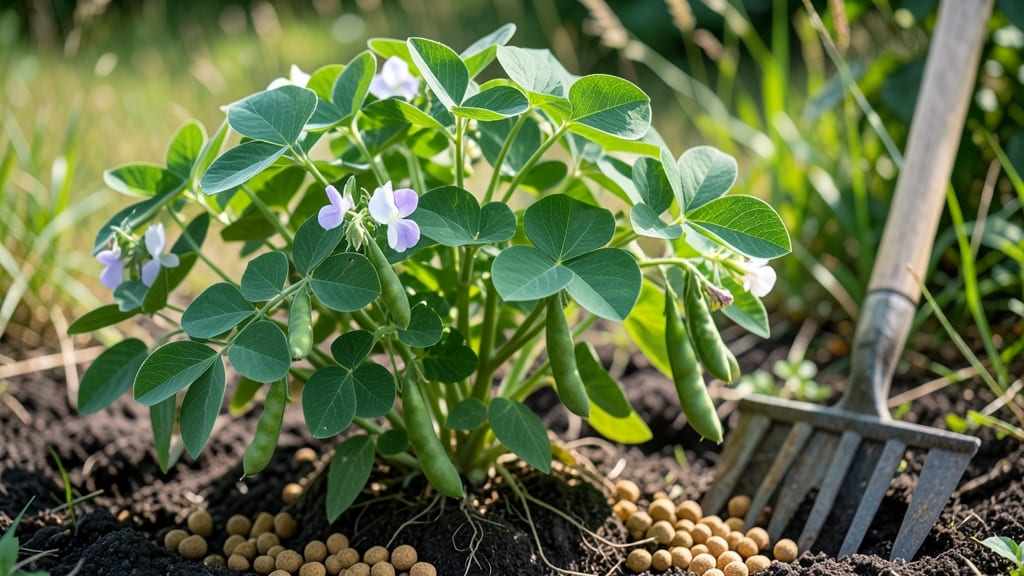
Skip the synthetic shortcuts—this organic fertilizer for beans is the secret to sky-high yields, packed with composted manure, coffee grounds, and homemade blends that feed your plants and the soil. 🌱 I’ve grown hundreds of pounds using only these natural powerhouses. plants.
The magic starts with pre-planting prep: mix in aged compost or well-rotted manure (chicken or cow) at least 4-6 weeks before sowing. Beans fix their own nitrogen, but they still need a strong start—think of it like giving them a head start on a race.
Mid-season, a light top-dressing of alfalfa meal or blood meal (¼ cup per plant) keeps them going strong.
You’ll notice the difference fast: deep green leaves, sturdy vines, and pods that fill out without cracking. The soil stays loose and crumbly, holding moisture while letting roots breathe—no more sad, yellowing plants that bolt too soon.
This works for bush beans in containers or pole beans climbing trellises, and the same methods apply whether you’re growing in raised beds or straight in the ground. Let’s get those beans fed the right way!
📚 In This Guide
- What you need
- Instructions
- Tips and common mistakes
- Wrapping up and next steps
What you need
- ● Compost: 5–10 gallons (well-aged, nutrient-dense compost is ideal—think leaf litter, kitchen scraps, and yard waste).
- ● Manure: 2–3 gallons (cow, horse, or chicken manure—must be composted for 6+ months to avoid burning plants).
- ● Kelp Meal or Seaweed: 1–2 cups (for trace minerals and growth hormones).
- ● Bone Meal: ½–1 cup (adds phosphorus for strong roots and blooms).
- ○ Wood Ash: ½ cup (optional but adds potassium—use sparingly; test soil first!).
- ● Molasses or Sugar: ¼ cup (feeds beneficial microbes—unrefined is best).
- ● Water: 10–15 gallons (for dilution and mixing).
- ● Garden Gloves & Mask: (to protect your hands from dust and odors).
- ● Large Bin or Barrel: (5–10 gallon capacity for mixing).
- ● Garden Fork or Shovel: (for aerating soil before application).
- ● Worm Castings: 1–2 cups (boosts microbial activity and soil structure).
- ● Banana Peels: ¼ cup (chopped, for extra potassium—great for flowering!).
- ● Epsom Salt: 1 tbsp (magnesium for green, lush foliage).
- ● Compost Tea Starter: (if brewing a liquid fertilizer for faster nutrient uptake).
Step-by-step guide to boosting bean growth with organic fertilizer
Here's how I transform soil into a nitrogen-rich powerhouse for beans—whether you're growing bush or pole varieties.
🌱 Step 1: Test and Prepare Your Soil Foundation
Beans thrive in soil with a pH of 6.0-7.0 and plenty of organic matter. Grab a handful of soil and squeeze it—if it crumbles easily, it's ready. If it stays compact, amend it with 2-3 inches of compost or well-rotted manure mixed into the top 6 inches of soil. I like to work in a 5-10-10 organic fertilizer (like bone meal and kelp blend) at this stage to provide a balanced foundation.
Work the amendments into the soil until it feels light and airy, like a fluffy cake batter. Avoid tilling when the soil is wet—this creates clumps that beans can't penetrate. If your soil feels sandy, add 1 part peat moss to 3 parts soil to improve moisture retention. The goal is soil that holds nutrients but drains freely, so water runs through it like tea through a strainer.
💧 Step 2: Apply Nitrogen-Rich Organic Fertilizers
Beans are heavy nitrogen feeders, especially during flowering and pod formation. I use a 2-part organic nitrogen boost: first, a blood meal (high in nitrogen) at 1 tablespoon per plant, worked into the soil 2-3 inches deep. Blood meal breaks down quickly, so apply it 2-3 weeks before planting to prevent burning young roots.
Next, add a slow-release nitrogen source like cottonseed meal or alfalfa meal at ½ cup per 10 feet of row. These organic fertilizers feed nitrogen gradually over 4-6 weeks, matching the bean plant's growth stages. Water the soil deeply after application to help the granules dissolve and reach the roots. You'll see the difference when your plants develop vibrant green leaves and sturdy stems within 2 weeks.
☀️ Step 3: Side-Dress with Organic Matter During Growth
When plants reach 6-8 inches tall (about 4-6 weeks after planting), it's time for a mid-season boost. I make a homemade compost tea by steeping 1 part compost in 3 parts water for 24 hours, then straining it. Pour 1 quart of tea per plant at the base, keeping it 2 inches away from stems to avoid fungal issues.
For pole beans, add a light mulch layer of straw or grass clippings (2 inches thick) around the base—this keeps soil cool and slowly releases nitrogen as it decomposes. Avoid fresh manure or clippings from treated lawns, as they can introduce weeds or pathogens. Watch for new leaf growth in 3-5 days—that's your sign the fertilizer is working. If leaves turn yellow between veins, your beans need more nitrogen; if they curl, they might need calcium or magnesium instead.
✂️ Step 4: Maintain Soil Health Through Harvest
After the first harvest, top-dress with a fish emulsion (diluted to 1-2 tablespoons per gallon of water) every 4-6 weeks during the growing season. Fish emulsion provides quick-access nitrogen while improving soil microbial activity. Apply it to moist soil in the late afternoon to reduce leaf burn from evaporation.
Beans are legumes, meaning they fix their own nitrogen through root nodules—but they still benefit from organic top-ups, especially in heavy-yielding varieties. I also sprinkle crushed eggshells around plants for calcium, which prevents blossom-end rot in pods. By the end of the season, your soil will be richer in organic matter, ready for next year's crops. The key is consistency: feed, observe, adjust—never overdo it, or you'll end up with lush foliage and few beans.
Tips & tricks for perfect organic bean fertilizer
Common mistakes can turn your nitrogen boost into a waste of effort—here's how to avoid them.
Soil Preparation Secret: The 6.0-7.0 pH range is critical, but don't just guess—use a soil test kit or send a sample to your local extension office. I've seen gardeners add compost to acidic soil and wonder why their beans still underperform. If your soil tests high in phosphorus (like 5-10-10 fertilizer suggests), reduce it to 3-5-5 for beans—they don't need extra phosphorus. The goal is balance, not overload.
Timing is Everything: That 2-3 week window before planting for blood meal is non-negotiable. Blood meal breaks down too quickly to apply fresh—it can actually burn young roots. I mark my calendar when I apply it, so I don't accidentally plant too soon. For the slow-release cottonseed meal, spread it evenly and water immediately to activate the granules. Uneven application leads to patchy growth where some plants get too much nitrogen and others get none.
Visual Growth Cues: Watch for those vibrant green leaves within 2 weeks after applying nitrogen—it's your confirmation the fertilizer is working. If leaves turn yellow between veins (chlorosis), your beans need more nitrogen but can't access it, often due to iron deficiency. In this case, add a chelated iron supplement or work in more compost. For curled leaves, it's usually calcium deficiency—sprinkle crushed eggshells around the base and water well. These visual cues are your early warning system before problems become severe.
Mulch Strategy: That 2-inch mulch layer for pole beans isn't just decoration—it's a slow-release nitrogen factory. Straw works best because it decomposes gradually without robbing nitrogen from your plants. I avoid grass clippings unless I know they're organic and untreated. The mulch also helps maintain even soil moisture, which is crucial for beans that hate soggy roots. Remember to keep it 2 inches away from stems to prevent fungal diseases that thrive in damp conditions.
Pro Tips for Organic Fertilizer For Beans
- Common mistakes can turn your nitrogen boost into a waste of effort—here's how to avoid them.
- Soil Preparation Secret: The 6.0-7.0 pH range is critical, but don't just guess—use a soil test kit or send a sample to your local extension office.
- Timing is Everything: That 2-3 week window before planting for blood meal is non-negotiable.
Frequently asked questions
Got questions about organic fertilizer for beans?
You’re not alone! Here are some of the most common concerns—plus straightforward answers to help you grow thriving bush or pole beans with confidence.
What’s the best organic fertilizer for beans?
Beans are nitrogen-fixers, so they don’t need heavy nitrogen inputs. Instead, opt for a balanced or phosphorus-rich organic fertilizer like compost, bone meal, or a 5-10-10 blend. Avoid high-nitrogen fertilizers (like blood meal) unless your soil tests show a deficiency.
When should I apply organic fertilizer to beans?
Apply organic fertilizer before planting by mixing it into the top 6 inches of soil. For pole beans, add a light top-dressing when vines start climbing. Pro tip: Avoid over-fertilizing—beans thrive in leaner soil!
Can I use homemade compost as fertilizer for beans?
Well-aged compost is ideal—it adds nutrients and improves soil structure. Just ensure it’s fully decomposed (no fresh manure) to prevent burning roots. Mix 2–3 inches into the soil 2–4 weeks before planting for best results.
Why are my bean leaves turning yellow?
Yellowing leaves often signal nitrogen deficiency or overwatering. Test your soil—if nitrogen is low, add a light dose of compost or fish emulsion. If soil is soggy, improve drainage and reduce watering. Note: Older leaves yellowing naturally as plants mature is normal!
What’s a good alternative if I don’t have organic fertilizer?
No organic fertilizer? Try these:
- Coffee grounds (adds nitrogen and acidity, sparingly)
- Wood ash (for potassium, but use sparingly—beans prefer slightly acidic soil)
- Cover crops (like clover) planted before beans to enrich soil naturally
For a quick fix, rotate beans with nitrogen-fixing crops like peas or alfalfa.
Wrapping up and next steps
Choosing the right organic fertilizer for beans is your secret weapon for thriving bush and pole varieties! 🌱 Whether you opt for compost, manure, or legume-based blends, prioritizing nitrogen-rich, balanced nutrition ensures robust growth and bountiful harvests. Start small—test a patch, observe results, and scale up as confidence grows.
Ready to level up your garden? Grab your gloves, pick your favorite organic mix, and get planting! Your next step: Monitor soil health regularly and adjust fertilizing routines based on your beans’ progress. Happy growing! 🌿