
Watering
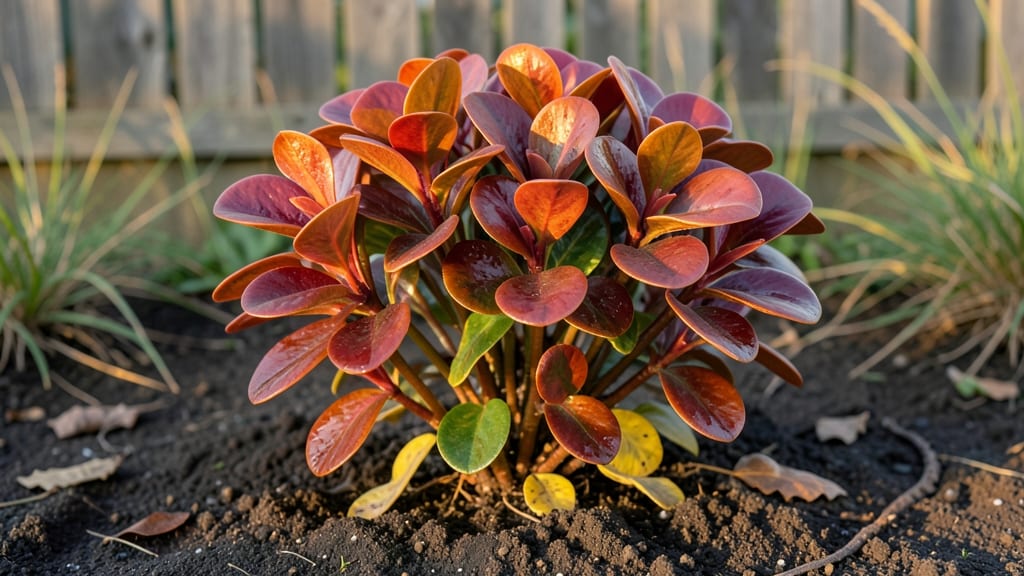
That sad, overwatered jelly bean succulent of yours might still be salvageable—and I’ve fixed plants in worse shape. 🌱 The good news? Most overwatered succulents bounce back with the right care, and you'll see improvement within 3 days if you act fast.
The key is stopping water stress immediately while giving roots a chance to recover.
Here's what's happening: those plump stems and leaves are holding too much water, causing root rot. You'll notice mushy stems, yellowing leaves, or a foul smell—all signs your plant is drowning.
The fix starts with drainage: repot in fresh, gritty soil and a container with drainage holes. Then, let the soil dry completely between waterings.
Within 72 hours, you should see leaves perk up as excess moisture drains away. Keep it in bright, indirect light and avoid watering again until the top inch of soil feels dry.
With consistent care, your jelly bean will regain its vibrant, compact shape and store water properly for months.
Prevent future mishaps by watering only when the soil is bone-dry—stick your finger in first! These plants thrive on neglect, not attention. Once recovered, your succulent will reward you with that signature jelly bean look for years to come.
The Hidden Triggers Behind Drooping
Your Jelly Bean Plant (Sedum morganianum) might look like a tiny, adorable green pearl necklace, but its delicate stems and leaves are far more sensitive than they appear.
Overwatering isn’t just a mistake—it’s a chain reaction of environmental and care-related factors that can turn your succulent into a sad, mushy mess in no time. Let’s break down the real culprits behind why this happens, so you can fix the problem at its source.
Succulents like the Jelly Bean thrive on the “soak and dry” method, not a constant sip of water. When you water too frequently—or give it more than it can absorb—the roots suffocate. Here’s what’s really going on:
- Root Rot Starts Slowly: The roots need oxygen to breathe. Too much water displaces oxygen in the soil, creating an anaerobic environment where Pythium and Phytophthora fungi thrive. These microbes feast on the roots, cutting off the plant’s water and nutrient supply.
- Waterlogged Soil = Nutrient Lockout: Excess moisture leaches essential minerals (like nitrogen and potassium) from the soil, starving the plant even as it sits in wet conditions. The roots can’t uptake what they need, leading to wilting.
- The “Bottom Watering” Trap: If you’re using a saucer or tray, the plant may never dry out. Even if the topsoil feels dry, the roots below are still drowning. Pro tip: Always empty saucers 10 minutes after watering to prevent passive drowning. 💡
A Jelly Bean’s roots are shallow and hate soggy feet. If your pot lacks drainage holes—or if you’re using heavy, compacted soil—the water has nowhere to escape. Here’s the science:
- Clay and Terracotta Aren’t Enough: While these pots wick away moisture, they can still trap water if overwatered. The key is combining a well-draining pot with fast-draining soil (like a cactus/succulent mix with perlite or pumice).
- Soil Composition Matters: Garden soil or potting mix retains too much moisture. A proper succulent mix should be 60% mineral (perlite, pumice) and 40% organic (cactus soil, coconut coir). Without this ratio, water pools around the roots.
- The “False Dry” Illusion: Even if the top layer of soil feels dry, the bottom could still be waterlogged. Stick your finger 2 inches deep—if it’s damp, wait. ⏳
Jelly Bean succulents are desert dwellers—they need dry air and warmth to thrive. When humidity spikes or temps drop, the plant struggles to regulate moisture, making overwatering even deadlier.
- High Humidity = Slower Evaporation: In humid climates (like bathrooms or kitchens), water evaporates from the soil 30-50% slower. This means the roots stay wet for days, inviting rot. Fix: Place your plant near a fan or dehumidifier. 🌬️
- Cold Roots = Shocked Metabolism: If your plant sits in cold soil (below 50°F/10°C), its metabolic processes slow down. It can’t process excess water efficiently, leading to edema (water blisters on leaves) or root collapse.
- Winter Watering Woes: During cooler months, succulents go dormant. Watering on a summer schedule in winter is like giving a hibernating bear a steak—it doesn’t need it. Rule: Reduce watering by 50-70% in winter. ❄️
A pot that’s too large for your Jelly Bean is a one-way ticket to overwatering. Here’s why:
- Extra Soil = Extra Moisture Retention: A 4-inch pot for a 2-inch plant means 80% of the soil stays wet for days. The roots can’t absorb all the water before it becomes stagnant.
- Root Bound = Desperate Drinking: If your plant is root-bound (circling the pot), it’s already stressed. Overwatering in this state forces the roots to consume oxygen faster, accelerating rot.
- The “Too Small” Paradox: While oversized pots are bad, too-small pots dry out too fast, causing uneven watering. Aim for a pot that’s only 1-2 inches larger in diameter than the plant’s root ball. 📏
Key Takeaway: Overwatering is rarely just about “too much water”—it’s about how you water, where the plant lives, and whether its environment supports its natural drought tolerance. Once you spot these triggers, you can adjust your care routine to save your Jelly Bean before it’s too late.
Fixing Your Soggy Succulent Fast
Your Jelly Bean Plant (or String of Bananas) is drooping, mushy, or turning yellow? Don’t panic—most overwatered succulents can bounce back with the right care. Below, we’ll tackle the most common signs of overwatering and give you step-by-step fixes, plus tips to keep your plant thriving long-term.
Let’s get your green friend back to its happy, perky self in no time! 🌱💦
This is the most critical sign of overwatering—root rot may have set in. Act fast!
🍳 Step 1: Remove the Plant from Soil
- Gently wiggle the plant out of its pot to inspect the roots.
- If roots are black, slimy, or smell foul, root rot is confirmed. Trim away the bad roots with clean scissors (sterilize with rubbing alcohol).
👨🍳 Step 2: Let It Dry Out
- Place the plant in a shady spot (no direct sun yet!) for 3–5 days to let excess moisture evaporate.
- Avoid watering—let the roots recover.
🥘 Step 3: Repot in Fresh, Dry Soil
- Use a well-draining succulent mix (or add perlite/pumice to regular soil).
- Choose a pot with drainage holes—no exceptions!
- Water lightly only after 7–10 days of no moisture.
⏰ Step 4: Monitor Closely
- Check for new growth in 2–3 weeks. If it’s still limp, repeat the drying process.
💡 🌡️ Temperature Check: Keep your plant in warmth (65–75°F) to speed up recovery. 💡 🎯 Humidity Control: Avoid high humidity—succulents hate soggy air! 💡 ✨ Prevention: Water only when the top 2 inches of soil are bone-dry.
This usually means it’s thirsty for air—not necessarily dead. Here’s how to revive it:
🔪 Step 1: Trim Damaged Leaves
- Snip off any yellow, wrinkled, or mushy leaves with clean scissors.
- This helps the plant focus energy on recovery.
💧 Step 2: Adjust Watering Habits
- Stop watering immediately—let the soil dry out completely.
- Next watering: Soak deeply, then wait 1–2 weeks before watering again.
☀️ Step 3: Give It Bright, Indirect Light
- Move it to a sunny windowsill (but avoid harsh afternoon sun).
- Gradually reintroduce direct light over 5–7 days.
🌱 Step 4: Check for Pests
- Inspect for mealybugs or spider mites (common after stress).
- Wipe leaves with a soapy water cloth if needed.
💡 🔥 Soil Test: Stick your finger in the soil—if it’s damp below 1 inch, wait longer. 💡 🌡️ Nighttime Care: Succulents need dry soil at night—water in the morning only. 💡 🎯 Pot Size Matters: If the pot is too big, soil stays wet too long—repot in a smaller container.
This is a severe root rot case. Unfortunately, it may not be savable, but here’s what to try:
🧴 Step 1: Hydrogen Peroxide Soak (Last Resort)
- Mix 1 part 3% hydrogen peroxide with 4 parts water.
- Submerge only the roots (not leaves) for 10 minutes to kill fungus.
- Rinse and repot in sterile, dry soil.
🌱 Step 2: Propagate Healthy Stems
- If the main plant is beyond saving, cut healthy stems and let them dry for 2–3 days.
- Plant in fresh soil and water sparingly.
💡 Pro Tips for Hopeless Cases
💡 🔥 Don’t Waste Time: If the plant is completely black and mushy, it’s better to start fresh. 💡 🌡️ Sterilize Everything: Clean pots, tools, and soil to prevent reinfection. 💡 ✨ Learn from It: Next time, water less often—succulents prefer drought!
With these fixes, your Jelly Bean Plant should perk up in 3–7 days (or less if caught early!). The key is patience and proper drainage—once you adjust your watering routine, your succulent will thank you with vibrant, happy growth. 🌟
Frequently asked questions
How can I tell if my jelly bean plant is overwatered vs. underwatered?
Check the stems and leaves: overwatered plants have mushy, yellowing stems and leaves that feel soft or squishy. The soil may smell foul, and the plant might wilt despite being wet. Underwatered plants have wrinkled, dry leaves that pull away from the stems and feel papery. Stick your finger in the soil—if it's damp below 1 inch, you're overwatering. If it's bone-dry, it's thirsty!
Can I save my jelly bean plant if the roots are completely black and smelly?
You can try! First, trim away all black, mushy roots with sterilized scissors. Soak the remaining healthy roots in a 1:4 hydrogen peroxide to water solution for 10 minutes to kill fungus. Repot in fresh, dry succulent mix with perlite and hold off on watering for 7-10 days. If the plant shows no signs of recovery in 2 weeks, it may be beyond saving—time to propagate from healthy stems.
Why does my jelly bean plant keep getting overwatered even when I think I'm being careful?
Common traps include using pots without drainage holes, watering on a schedule instead of checking soil moisture, or ignoring humidity levels. Jelly bean plants need soil to dry completely between waterings—stick your finger 2 inches deep. Also, avoid saucers that trap water. In humid climates, water 30-50% less frequently. Try the "finger test" before watering: if the soil feels damp below 1 inch, wait another week.
Is it better to underwater than overwater my jelly bean plant?
While both are problematic, underwatering is less damaging to jelly bean plants. They're desert natives that store water in their stems. A brief dry spell won't kill them, but consistent overwatering leads to irreversible root rot. That said, chronic underwatering causes wrinkled leaves and stunted growth. The key is finding that balance—water when the soil is completely dry, then give it a thorough soak. Think "drought tolerance" not "constant moisture."
How long does it take to revive an overwatered jelly bean plant?
With proper care, you'll typically see improvement within 3-7 days. The first signs are leaves perking up and becoming firmer. Full recovery—new growth and restored plumpness—usually takes 2-4 weeks, depending on how severe the overwatering was. Be patient: the plant needs time to regrow roots and adjust to your new watering routine. During recovery, keep it in bright, indirect light and avoid watering until the soil is completely dry.