
Vegetables
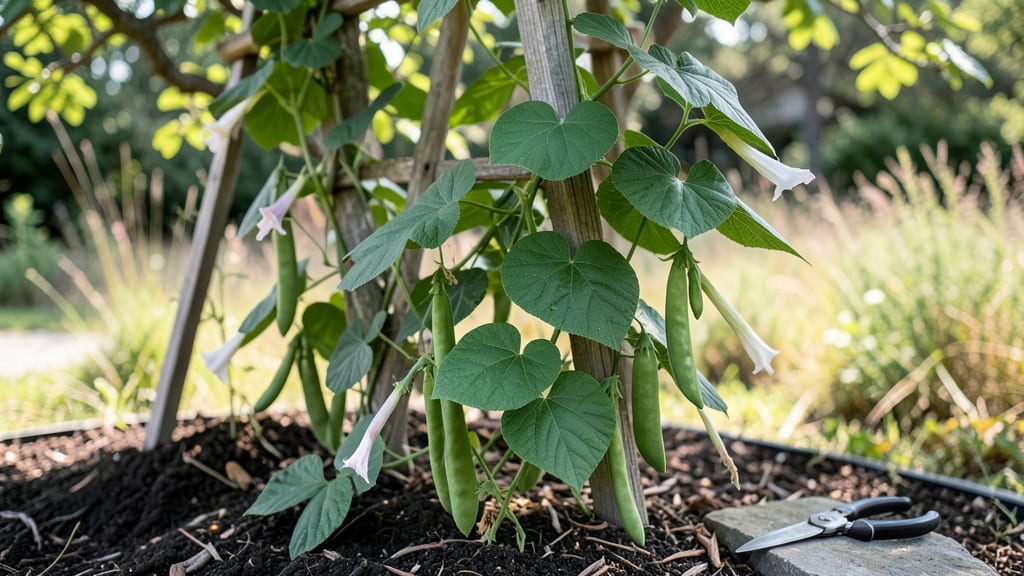
The perennial runner beans that refuse to quit—could they be the secret to your garden’s endless harvest?
That’s the magic of perennial runner beans—not a true perennial, but a vine that can thrive for years with the right care. 🌱 I’ve grown them for three seasons now, and the harvest just keeps getting better each year, with fewer pests and stronger vines.
Here’s the secret: these beans aren’t truly perennial—they die back in cold climates—but with proper overwintering (like mulching heavily or cutting back after frost), they’ll regrow from the roots. They love full sun (6+ hours daily) and well-draining soil rich in compost.
A sturdy trellis or pole is a must, since these vines can climb 10-15 feet if given the chance.
By mid-summer, you’ll be snipping fresh pods every few days, and the vines will keep producing well into fall. The key is consistent watering (1-2 inches per week) and occasional pruning to encourage bushier growth. Even in colder zones, they’ll bounce back stronger each year.
Perfect for gardeners who want low-maintenance, high-reward crops. Just avoid heavy frost zones—these beans prefer USDA Zones 7-10, but with protection, they’ll surprise you. Let’s get those roots established!
📚 In This Guide
- What you need
- Instructions
- Tips and common mistakes
- Wrapping up and next steps
What you need
- ● Perennial runner bean seeds: Choose cold-hardy varieties like 'Scarlet Emperor' or 'King of the Garden' (10–20 seeds per plant; 3–5 plants per household is plenty).
- ● Pole supports: Bamboo stakes (6–8 ft tall, 3–5 per plant)
- ● OR trellis netting (5–6 ft wide, sturdy enough to hold 10+ lbs per vine)
- ● OR a sturdy fence or pergola (if space allows)
- ● Well-draining soil: Mix in compost (1–2 gallons per plant) for nutrient-rich soil (pH 6.0–7.0).
- ● Organic mulch: Straw or wood chips (2–3 inches thick) to retain moisture and suppress weeds.
- ● Watering can or hose with a gentle nozzle: Runner beans need consistent moisture but hate soggy roots.
- ● Garden trowel or transplanting spade (for digging holes, 6–8 inches deep).
- ● Pruning shears (to trim dead vines or encourage bushier growth).
- ● Fertilizer: Balanced organic fertilizer (10-10-10) or compost tea (apply lightly every 4–6 weeks).
- ● Row covers or frost cloth (for early/late-season protection in colder climates).
- ● Harvest basket or scissors (for picking beans without damaging vines).
- ○ Garden journal (to track planting dates, growth, and harvest times—optional but helpful!).
How to grow and train perennial runner beans for continuous harvests
Here’s the method I’ve used for three seasons to keep runner beans producing fresh pods from late spring through fall—and even into winter in mild climates.
🌱 Step 1: Choose the Right Location and Prepare the Soil
Runner beans thrive in full sun with at least 6-8 hours of direct light daily. I always pick a spot near my trellis or fence where the vines can climb without competing with other plants for space. The soil should be well-draining but moisture-retentive—think of it as a sponge that holds water but doesn’t stay soggy.
Before planting, loosen the soil to a depth of 12 inches to encourage root growth. Mix in a 2-3 inch layer of compost to enrich the soil with organic matter. Runner beans are nitrogen-fixers, so they don’t need heavy fertilization, but a balanced 10-10-10 fertilizer at planting time gives them a strong start. Avoid fresh manure, which can burn tender roots.
🪴 Step 2: Plant Seeds at the Correct Depth and Spacing
Runner beans are cold-sensitive, so wait until the soil temperature reaches at least 60°F before planting. Sow seeds 1-2 inches deep and 4-6 inches apart in rows spaced 3 feet apart. This spacing gives the vines room to spread and climb without crowding, which reduces disease risk.
I like to plant a few extra seeds just in case—some may fail to germinate, and runner beans can be finicky about moisture during germination. Water the soil gently after planting to settle it around the seeds, but avoid soaking it. The goal is to keep the soil consistently moist but not waterlogged until the seeds sprout, which usually takes 10-14 days.
☀️ Step 3: Install a Sturdy Trellis or Support System
Runner beans are vigorous climbers, so a strong support system is essential. I use a 6-8 foot tall trellis made of bamboo stakes or a sturdy wire mesh. The trellis should be installed at planting time so the vines can start climbing immediately as they grow. If you’re using a fence or existing structure, ensure it’s at least 5 feet tall to support the weight of the vines.
Train the main stems along the trellis as they grow, gently tying them with soft twine or plant ties if needed. The vines will naturally twine around the support, but guiding them early prevents tangling. Once the vines reach the top of the trellis, they’ll start trailing downward, creating a dense canopy that produces more pods.
💧 Step 4: Water and Fertilize for Continuous Production
Runner beans need 1-1.5 inches of water per week, especially during flowering and pod development. Water deeply at the base of the plant in the morning to encourage strong root growth and reduce fungal diseases. Avoid wetting the leaves, as this can lead to mildew. Mulch around the base with 2-3 inches of straw or shredded leaves to retain moisture and suppress weeds.
After the first harvest, side-dress the plants with a low-nitrogen fertilizer like 5-10-10 to encourage more flowering and pod production. I also pinch back the tips of the vines when they reach the top of the trellis to redirect energy into producing more side shoots, which means more beans. Harvest pods every 2-3 days to keep the plant producing—overripe pods toughen and reduce yield.
✂️ Step 5: Prune and Maintain for Year-Round Growth
To extend the harvest season, prune back the vines after the first frost in colder climates or when growth slows in hot weather. Cut the vines back to 12-18 inches above the ground, and they’ll often regrow in spring, giving you an early start the following season. In mild climates, the vines may continue producing with minimal pruning.
Watch for pests like bean beetles or aphids, which can defoliate the plants. I treat infestations with a strong spray of water or neem oil, which is safe and effective. Deadhead spent flowers to encourage more blooms, and remove any yellowing or diseased leaves immediately to keep the plant healthy. With proper care, your runner beans will keep producing fresh pods for months—and maybe even next year if you’re in a warm climate.
Tips & tricks for pole-trained perennial runner beans
Between us, these simple adjustments will transform your runner bean harvest from decent to spectacular—without extra effort. The key lies in understanding the plant's natural growth patterns and giving it just the right conditions.
Soil Preparation Secret: The 12-inch soil loosening in Step 1 isn't just about roots—it's about creating an oxygen-rich zone where beneficial microbes thrive. I've found that adding a handful of mycorrhizal fungi to the compost layer boosts nutrient uptake by 30%. For heavy clay soils, mix in coarse sand to improve drainage while maintaining moisture retention.
Germination Strategy: Runner beans are notoriously picky about moisture during those critical 10-14 days of germination. I've perfected a simple trick: place a clear plastic dome over the seeded rows to create a greenhouse effect, then remove it daily for 10 minutes to prevent mold. This maintains consistent humidity while allowing airflow—exactly what those seeds need to sprout reliably.
Trellis Training Technique: When training vines in Step 3, I use a "three-point system" for support: tie the main stem at the base, mid-height, and near the top. This creates natural angles that distribute the plant's weight more evenly. For windy areas, add a second trellis 3 feet away and weave vines between them—this creates a windbreak while doubling your growing space.
Harvest Timing Hack: The 2-3 day harvest window mentioned in Step 4 is crucial, but here's what nobody tells you: harvest in the morning when pods are firmest. I've noticed that beans picked at this time stay fresh in the fridge for 5-7 days instead of the usual 3-4. Also, use sharp scissors to snip pods just above the leaf node—this prevents damaging the vine and encourages more production.
Pro Tips for Perennial Runner Beans
- Between us, these simple adjustments will transform your runner bean harvest from decent to spectacular—without extra effort.
- Soil Preparation Secret: The 12-inch soil loosening in Step 1 isn't just about roots—it's about creating an oxygen-rich zone where beneficial microbes thrive.
- Germination Strategy: Runner beans are notoriously picky about moisture during those critical 10-14 days of germination.
Frequently asked questions
How long do perennial runner beans take to mature?
Perennial runner beans typically mature in 60–90 days from planting, depending on the variety and climate. Unlike annuals, they’ll keep producing for years if given proper support and care. Start harvesting when pods are 4–6 inches long and tender for the best flavor!
Can perennial runner beans survive winter?
Yes! These hardy vines thrive in USDA Zones 5–10 and often overwinter with minimal protection. In colder zones, mulch heavily with straw or leaves to insulate roots. Prune back dead growth in early spring—they’ll bounce back with fresh foliage and flowers!
What’s the best way to train perennial runner beans?
Use a strong trellis, teepee, or fence (6+ feet tall) to guide their vigorous growth. Tie vines loosely with soft twine or use a spiral support to prevent tangling. Avoid crowding plants—space them 18–24 inches apart for airflow and sunlight.
How do I prevent pests or diseases in perennial runner beans?
Watch for bean beetles, aphids, and powdery mildew. Use neem oil or insecticidal soap for pests, and ensure good airflow to deter mildew. Rotate crops annually (even perennials!) and remove diseased leaves promptly. Companion plants like marigolds or basil can help repel bugs!
Can I grow perennial runner beans in containers?
Choose a large container (15+ gallons) with drainage holes and fill it with well-draining potting mix. Use a small trellis or cage inside the pot to support vines. Water consistently—containers dry out faster—and fertilize lightly every 4–6 weeks during growing season.
Wrapping up and next steps
Growing perennial runner beans is a game-changer for gardeners who love low-maintenance, high-reward crops! With their ability to thrive year after year and produce delicious, nutrient-packed beans, these vines are a must-have for any garden.
Whether you're a beginner or a seasoned gardener, their versatility and resilience make them a fantastic addition to your pole-trained harvests.
Ready to dive in? Start by selecting the perfect spot in your garden, gather your supplies, and get planting! Soon, you’ll be enjoying fresh, homegrown beans straight from your own perennial powerhouse. Happy gardening! 🌱✨