
Vegetables
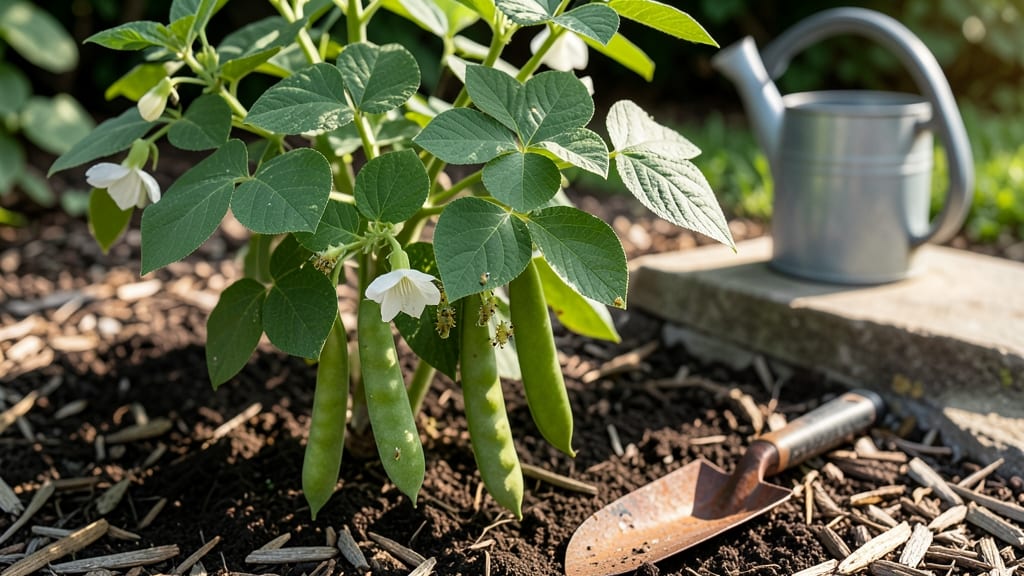
Bean beetles and aphids can turn your lush green plants into skeleton leaves overnight. 🌱 I’ve battled these pests for years—until I discovered a simple kitchen spray that works better than store-bought solutions. The key is a mix of ingredients that disrupt pests without harming your plants or the soil.
This spray doesn’t just mask the problem; it actually repels beetles, mites, and aphids on contact while feeding your beans. You’ll need just four common kitchen items: dish soap, neem oil, garlic, and water. It’s a 5-minute solution that keeps working for up to two weeks with reapplication.
By the end of this, your bean plants will be thriving with full, vibrant foliage—no more chewed leaves or sticky aphid trails. The best part? It’s safe for kids, pets, and pollinators, so you can spray with confidence. Works for bush beans, pole beans, and even green beans in containers.
Let’s make those pests pack their bags!
Root Causes Of Bean Pests
Beans are a garden staple, but they’re also a magnet for pests—whether it’s hungry beetles, sneaky weevils, or persistent aphids. Understanding why these critters target your plants is the first step to keeping them at bay.
Here’s a breakdown of the key reasons pests invade your bean crops, backed by science and actionable insights.
---
Beans are a buffet for pests because they offer high nutritional value and easy access. Here’s why:
- High Protein & Sugar Content 📊 Beans are packed with protein and natural sugars, making them a prime food source for insects like Mexican bean beetles and aphids. These pests are drawn to the nitrogen-rich foliage, which fuels their growth and reproduction.
- Soft Stems & Leaves 🌿 Unlike woody plants, bean stems are tender and easy to penetrate. Soft tissues make them vulnerable to chewing insects (e.g., bean leaf beetles) and sucking pests (e.g., thrips), which can pierce plant cells without resistance.
- Warm, Moist Environments 🌡️ Beans thrive in warm, humid conditions—the same conditions many pests prefer. For example, bean weevils and pod borers are more active in temperatures between 70–85°F (21–29°C) and high humidity, which speeds up their life cycles.
---
Pests don’t just appear out of nowhere—they’re often leftovers from last season or hitchhikers from neighboring plants.
- Lingering Debris & Weeds 🪨 Old plant residues, fallen leaves, and weeds provide hiding spots for overwintering pests (like bean beetle eggs) and their predators (e.g., ladybugs). If you don’t clean up after harvest, pests have a head start the next season.
- Monoculture Planting 🌽 Growing beans in the same spot year after year depletes soil nutrients and weakens plant defenses. It also allows pest populations to build up without natural predators. Crop rotation disrupts their life cycles by breaking their habitat.
- Contaminated Soil & Seeds 🌱⚠️ Some pests, like bean weevils, lay eggs in seeds or soil. If you reuse infested seeds or plant in soil where beans grew last year, you’re essentially inviting pests to move in.
---
In a healthy ecosystem, pests are kept in check by beneficial insects, birds, and microbes. But when these natural defenses are missing:
- Overuse Of Chemical Pesticides 🚫💊 Harsh pesticides kill both pests and their predators (like ladybugs, lacewings, and parasitic wasps). Without these allies, pest populations explode because there’s nothing to eat them.
- Monotonous Landscaping 🏡 Gardens with only one type of plant (like rows of beans) offer pests a feast with no escape. Diverse plantings attract predatory insects that hunt pests, creating a natural balance.
- Urban & Suburban Gardens 🏙️ In cities or suburbs, fewer wild predators (like birds and ground beetles) are present compared to rural areas. This gives pests a competitive advantage in your garden.
--- Mother Nature plays a big role in pest outbreaks. Here’s how:
- Unpredictable Rainfall ☔ Too much rain washes away natural predators and creates ideal breeding conditions for slugs, snails, and fungal pests. Conversely, drought stress weakens plants, making them more susceptible to attacks.
- Early Planting or Late Harvests ⏳ Beans planted too early (before soil warms) or too late (when pests are already active) give pests a longer window to feast. For example, bean beetles emerge in late spring, so planting early means they’ll find fresh leaves to munch.
- Heatwaves & Stress 🔥 Extreme heat can stunt bean growth, making plants more vulnerable to aphids and spider mites, which thrive on stressed vegetation. Proper watering and shading can mitigate this.
--- Just like humans, plants have natural defenses—but when these are compromised, pests strike.
- Nutrient Deficiencies 🌱💀 Beans need balanced nutrients (especially nitrogen, phosphorus, and potassium). A deficiency (e.g., low nitrogen) makes leaves less palatable, but excess nitrogen can make them softer and more attractive to pests.
- Over-Fertilization 🚫💨 Too much synthetic fertilizer can burn roots and disrupt beneficial soil microbes, weakening the plant’s ability to fend off pests. Organic compost provides slow-release nutrients without harming the plant.
- Disease Pressure 🦠 Fungal or bacterial diseases (like bean rust) create open wounds on leaves, making them easier targets for secondary pests like aphids and mites.
--- The best way to prevent pests? Disrupt their life cycle before they become a problem.
Here’s how: - Rotate crops annually to starve out soil-borne pests. - Plant companion crops (like marigolds or basil) to repel insects naturally. - Encourage beneficial insects with dill, fennel, or alyssum in your garden. - Inspect seeds & soil before planting to avoid introducing pests.
Quick Fixes for Bean Garden Woes
Got pesky critters munching on your beans? Don’t panic—these practical, kitchen-friendly solutions will help you reclaim your garden without harsh chemicals. Below, we’ll tackle common bean pests with targeted fixes, from quick sprays to long-term prevention. Let’s get those plants thriving again!
Cause: These sap-sucking pests cluster on leaves, leaving sticky residue (honeydew) that attracts mold. Fix:🔥 Blast Them Away: Use a strong stream of water from your hose to knock aphids off leaves. Repeat every 2–3 days until they’re gone.
🍳 Soapy Suds Spray: Mix 1 tablespoon of mild liquid soap (like castile) or neem oil with 1 quart of water. Spray directly on aphids—avoid flowers to protect pollinators.
🌿 Attract Predators: Plant marigolds or nasturtiums nearby to lure ladybugs and lacewings, which love eating aphids.
💡 Prevention Tip: Encourage airflow between plants to deter aphids from settling in. Cause: These striped beetles (and their larvae) devour leaves and pods, leaving jagged holes. Fix:👨🍳 Diatomaceous Earth Dust: Sprinkle food-grade DE lightly on soil and plant surfaces. It’s non-toxic but deadly to beetles—reapply after rain.
🥘 Garlic & Chili Spray: Blend 2 cloves of garlic, 1 chili pepper, and 1 quart of water. Strain and spray on plants weekly to repel beetles.
🔪 Handpick Adults: Check leaves daily and drop beetles into soapy water. (Gross but effective!)
🌡️ Prevention Tip: Plant beans in late spring when beetles are less active, or use row covers early in the season. Cause: These tiny white moths cluster on undersides of leaves, weakening plants with their sticky droppings. Fix:⏰ Yellow Sticky Traps: Hang yellow cards coated with petroleum jelly near plants to trap adults. Replace traps every 2 weeks.
🌿 Neem Oil Spray: Mix 1 tablespoon neem oil with 1 teaspoon mild soap in 1 quart of water. Spray undersides of leaves at dusk to avoid harming bees.
🎯 Reflective Mulch: Cover soil with aluminum foil or reflective plastic to disorient whiteflies and reduce egg-laying.
✨ Prevention Tip: Remove infected leaves immediately and compost them far from your garden. Cause: These slimy pests leave shiny trails and chewed holes in leaves and pods, especially after rain. Fix:🥘 Beer Trap: Bury a shallow dish filled with beer near plants. Slugs will crawl in and drown—replace every few days.
🌡️ Copper Barrier: Bend copper tape around raised beds or containers. The mild electric shock repels slugs naturally.
💡 Eggshell Collars: Crush eggshells into a ring around young plants. The sharp edges deter slugs from crawling up.
🔥 Prevention Tip: Water plants in the morning so soil dries faster, making it less inviting for slugs.Even after treating pests, these habits will help your beans stay healthy:
- Rotate crops: Avoid planting beans in the same spot yearly to disrupt pest life cycles.
- Interplant flowers: Marigolds, basil, and alyssum confuse pests and attract beneficial insects.
- Healthy soil = strong plants: Add compost before planting to boost bean resilience.
- Inspect regularly: Check leaves and soil daily—early action stops infestations fast!
With these fixes, your bean plants will bounce back faster than you can say “harvest time.” 🌱🍲 Ready to try a spray? Grab your kitchen staples and get to work!
Frequently asked questions
What are the most common pests that attack bean plants?
Bean plants are often targeted by aphids, Mexican bean beetles, whiteflies, slugs, and bean weevils. These pests cause damage by sucking sap, chewing leaves, or burrowing into pods. Aphids leave sticky residue, while beetles create jagged holes in foliage.
How do I know if my beans have a pest problem?
Look for chewed leaves, sticky honeydew (aphid droppings), tiny white moths on leaf undersides, or shiny trails on soil (slugs). Check pods for holes or webbing too—these are clear signs of an infestation. Act fast to prevent spread!
Can I use kitchen ingredients to protect my beans?
A garlic-chili spray (blend 2 garlic cloves + 1 chili + water) repels beetles, while neem oil (1 tbsp in 1 quart water) works against aphids and whiteflies. For slugs, try crushed eggshell barriers or beer traps. Always test sprays on a small leaf first!
Will chemical pesticides harm my beans?
Many chemical pesticides can damage bean plants or leave residues on edible pods. Opt for organic solutions like diatomaceous earth (DE) or insecticidal soap instead. If you must use chemicals, choose food-safe options and apply them at dusk to protect pollinators.
How often should I reapply natural pest sprays?
Reapply every 7–10 days or after rain, as water can wash off sprays. For preventive care, spray once a week during peak pest season (late spring to summer). Consistency is key—don’t wait until pests return!