
Succulent
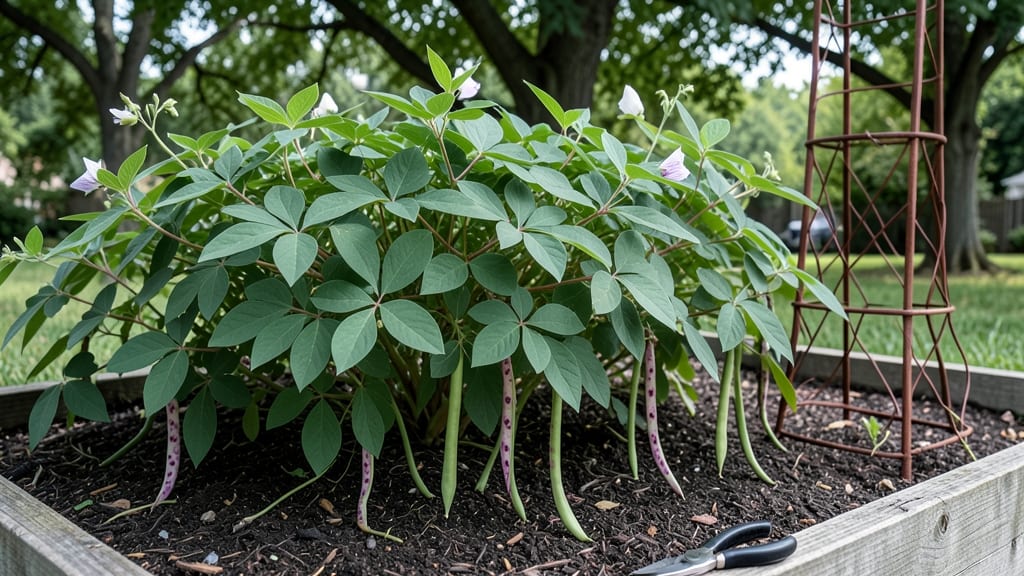
Growing pink eye beans means fast harvests in just 50-60 days—perfect for small gardens where space is tight. 🌱 I’ve grown these beans for years, and they’re my go-to for quick, reliable yields without taking over the garden.
The secret lies in their compact vines and speedy germination, which means fewer pests and more time enjoying fresh pods straight from the vine. These beans thrive in full sun and well-draining soil, but they’re forgiving if you forget to water occasionally.
Plant them after the last frost when soil temperatures hit 60°F, and watch those first tendrils emerge in as little as 3-5 days. The key to success? Consistent moisture and a sturdy trellis to keep vines off the ground—though they’ll still produce even without one.
By midsummer, you’ll be harvesting tender pods packed with flavor, and the plants will keep producing until frost. The more you pick, the more they grow—so don’t wait! Pink eye beans also play nicely with nearby herbs like basil or cilantro, which helps deter pests naturally.
For best results, start with 3-4 plants if you’re feeding a family of four, and save some seeds for next year. These beans are a game-changer for gardeners short on space but hungry for fresh, homegrown goodness.
📚 In This Guide
- What you need
- Instructions
- Tips and common mistakes
- Wrapping up and next steps
What you need
- ● Pink Eye Bean Seeds: 10–20 seeds (choose a fast-maturing variety like ‘Pink Eye Purple Hull’ for best results).
- ● Growing Containers or Garden Bed: For containers: 5–6 inch deep pots (1–2 seeds per pot) or a raised bed (at least 12 inches deep).
- ● For in-ground planting: Well-draining soil with full sun exposure (6+ hours/day).
- ● Potting Soil: 2–3 bags of high-quality, well-draining potting mix (or garden soil amended with compost).
- ● Watering Can or Hose: With a gentle spray nozzle for moisture control.
- ○ Fertilizer (Optional but Helpful): Balanced, slow-release fertilizer (10-10-10 ratio) or compost tea for organic growth.
- ● Diluted liquid fertilizer (e.g., fish emulsion) for foliar feeding if needed.
- ○ Trellis or Support (Optional but Recommended): Bamboo stakes, tomato cages, or a small trellis (3–4 feet tall) to encourage vertical growth and prevent sprawling.
- ● Mulch: Straw or shredded leaves to retain moisture and suppress weeds.
- ● Access to a sunny spot (pink eye beans thrive in warmth—wait until soil temps reach at least 60°F (15°C) before planting).
- ● Basic gardening knowledge (or willingness to learn! 😊).
- ● Patience—these beans germinate in 7–14 days and mature in 50–60 days.
Step-by-step guide for growing pink eye beans in small spaces
Pink eye beans are my go-to for quick harvests and minimal space—here’s how to grow them fast and easy.
🌱 Step 1: Prepare the Planting Site
Pink eye beans thrive in well-draining soil with a pH between 6.0 and 7.0. If your garden bed feels compacted, loosen the top 6 inches with a fork or tiller. I like to mix in a handful of compost to boost nutrients—this helps the beans germinate faster and grow stronger. Avoid fresh manure, though; it can burn tender roots.
Choose a spot that gets full sun (6-8 hours daily)—partial shade will slow growth and reduce yields. If you’re planting in containers, use pots at least 12 inches deep with drainage holes. Pink eye beans have a bushy habit, so they don’t need trellises, but a small cage or stakes can help support plants if they get top-heavy.
🌱 Step 2: Plant Seeds at the Right Depth and Spacing
Pink eye beans germinate quickly—usually within 5-10 days—so plant them 1 inch deep when the soil is 60-65°F. Space seeds 3-4 inches apart in rows 18-24 inches apart for bush varieties. If you’re planting in containers, sow 2-3 seeds per pot (you’ll thin later). I tap the seed packet gently to release one seed at a time—planting too many in one hole leads to weak, crowded seedlings.
Water the soil lightly after planting to settle the seeds, but don’t soak it. Overwatering can wash seeds deeper than intended, delaying germination. Once planted, keep the soil consistently moist (not soggy) until the first true leaves appear—that’s your signal the seeds have sprouted successfully.
☀️ Step 3: Maintain Moisture and Fertility for Fast Growth
Pink eye beans grow quickly, so water deeply 1-2 times per week, aiming for 1 inch of water total. You’ll know moisture is right when the top 1-2 inches of soil feel damp—not glistening or dry. Mulch around the base with 2-3 inches of straw or grass clippings to retain moisture and suppress weeds. This is especially important in hot weather, where soil dries out fast.
Feed the plants lightly when they’re 4-6 inches tall with a balanced 10-10-10 fertilizer (follow package rates). Too much nitrogen will boost leafy growth at the expense of pods. Watch for yellowing leaves—this often means overwatering or nutrient deficiency. Pink eye beans are relatively low-maintenance, but a little extra care ensures they produce plenty of pods in just 50-60 days from planting.
✂️ Step 4: Harvest and Encourage Continuous Production
Pink eye beans are ready to harvest when pods are 3-4 inches long and snap easily when bent. I pick them in the morning when moisture is lowest—this prevents them from getting mushy. Harvesting regularly encourages more flowers and pods, so check plants every 2-3 days. If you miss pods, they’ll turn brown and dry out, but the plant will still produce more.
For a longer harvest window, succession plant every 2 weeks after the first planting. Pink eye beans handle heat well, so they’re perfect for late-summer gardens. Once the first frost threatens, pull up the plants and compost them—they’ll still produce a few more pods before the cold sets in.
Tips & tricks for growing pink eye beans in small spaces
These quick tips will help you grow pink eye beans faster and with fewer hassles in your compact garden.
Soil Prep Secret: Before planting, mix in a handful of compost to the top 6 inches of soil. This isn't just about nutrients—it improves drainage and helps those seeds germinate within the promised 5-10 days. I've found that adding a thin layer of vermiculite to sandy soil helps retain moisture better, especially in hot weather. The key is keeping that soil consistently moist (not soggy) until those first true leaves appear.
Planting Precision: When planting your seeds 1 inch deep in soil at 60-65°F, use your finger to make small holes—don't just drop seeds randomly. This ensures they stay at the proper depth and prevents overcrowding. In containers, I've discovered that planting 2-3 seeds per pot gives you backup plants if one doesn't germinate. Just remember to thin to the strongest seedling once they're 2 inches tall.
Watering Wisdom: The 1-2 times per week watering schedule works best when you give each plant about 1 inch of water total. I've learned to check moisture by feeling the top 1-2 inches of soil—it should feel damp like a wrung-out sponge. Mulching with 2-3 inches of straw right after planting helps maintain this moisture level and keeps weeds at bay. This is especially crucial during those first 50-60 days when the plants are establishing their root systems.
Harvesting Hack: For the freshest beans, harvest in the morning when moisture levels are lowest. The pods should be 3-4 inches long and snap easily when bent—this is your perfect window. I've found that harvesting every 2-3 days encourages more production. If you notice pods turning brown, don't worry—the plant will still produce more, but they'll be tougher. The key is to stay consistent with your checks.
Pro Tips for Pink Eye Beans
- These quick tips will help you grow pink eye beans faster and with fewer hassles in your compact garden.
- Soil Prep Secret: Before planting, mix in a handful of compost to the top 6 inches of soil.
- Planting Precision: When planting your seeds 1 inch deep in soil at 60-65°F, use your finger to make small holes—don't just drop seeds randomly.
Frequently asked questions
Got questions about growing pink eye beans?
You’re not alone! Here are answers to the most common queries to help you cultivate this fast-growing, space-friendly variety with confidence.
How long does it take for pink eye beans to germinate?
Pink eye beans are fast germinators—expect sprouts to appear in 5–10 days under ideal conditions (warm soil, 70–85°F, and consistent moisture). For quicker results, soak seeds overnight before planting! Pro tip: Keep soil warm with a heat mat if your climate is cool.
When is the best time to plant pink eye beans?
Plant after the last frost when soil temps reach 60°F+. In warm climates, you can grow them year-round, but they thrive best in spring or early summer. For extended harvests, succession plant every 2–3 weeks—just ensure vines have support!
Can pink eye beans grow in containers or small spaces?
These beans are compact and bush-friendly, making them perfect for containers (5+ gallons), balconies, or vertical trellises. Just ensure pots have drainage and provide 6–8 hours of sunlight daily. Bonus: Train vines upward to save space!
What should I do if my pink eye beans turn yellow or wilt?
Yellowing leaves often signal overwatering, nutrient deficiency, or pests. Check soil moisture (keep it consistently damp, not soggy) and fertilize lightly with compost. For wilting, inspect for aphids or spider mites—spray with neem oil if needed. Troubleshoot: Ensure airflow and avoid crowded plants.
Are pink eye beans easy to cook, and what’s the best way to prepare them?
Yes! These beans are versatile and tender when harvested young. Try them raw in salads, sautéed with garlic and olive oil, or blended into hummus. For best flavor, harvest pods when 3–4 inches long. Nutrition boost: High in protein and fiber—perfect for plant-based meals!
Wrapping up and next steps
Growing pink eye beans is a rewarding experience—whether you’re a seasoned gardener or just starting out! These fast-germinating, compact plants are perfect for small spaces, delivering delicious harvests with minimal effort. With the right soil, sunlight, and care, you’ll soon enjoy fresh, flavorful beans straight from your garden. 🌱
Ready to take the next step? Start by planting your seeds this weekend! Keep an eye on your little green friends, and before you know it, you’ll be savoring homegrown goodness. Happy gardening! 🌟