
Vegetables
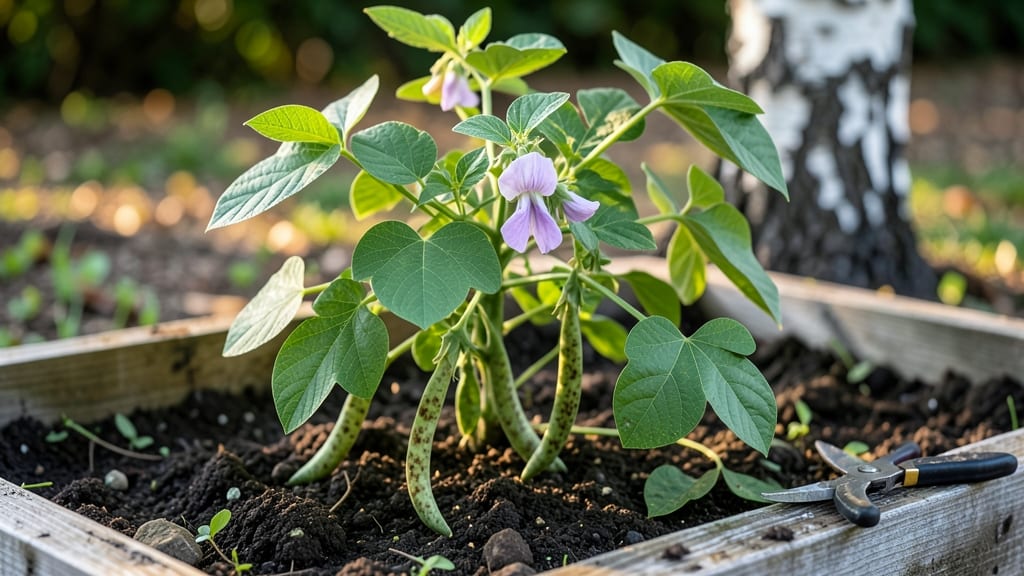
Pinto bean seeds need soil at 60°F or warmer to sprout reliably—any cooler, and you'll stare at dry soil wondering where your beans vanished. 🌱 I learned this the hard way after planting too early in my chilly spring, only to watch the seeds rot in the ground.
The right temperature isn't just about timing; it's about giving those seeds the perfect jumpstart. You'll need well-draining soil mixed with compost, planting depth of 1-2 inches, and spacing 3-4 inches apart in rows 18-24 inches apart.
Pinto beans love full sun (6+ hours daily) and consistent moisture, but never soggy soil—they hate "wet feet." A simple soil thermometer (under $10) saves guesswork and heartache. By mid-summer, you'll harvest 3-4 inch pods with speckled beans inside, perfect for refried beans or salads.
The plants grow 3-5 feet tall, so trellising saves space and keeps pods off the ground. Just don't let them dry out during flowering—that's when most beans drop. Works in USDA Zones 4-11, but adjust planting time for your climate.
Early spring or late summer are ideal for most regions. Here's how to nail it every time!
📚 In This Guide
- What you need
- Instructions
- Tips and common mistakes
- Wrapping up and next steps
What you need
- ● Pinto bean seeds: 50–100 seeds (non-GMO, organic preferred for best results). Choose high-quality seeds with a germination rate of 90%+.
- ● Growing containers: For direct sowing: 12–18" deep pots or garden beds with well-draining soil.
- ● For indoor starts: Seed trays (72-cell packs) or small pots (3–4" diameter).
- ● Soil: Lightweight, well-draining potting mix (or garden soil amended with compost). Aim for a pH of 6.0–7.0.
- ● Watering can or spray bottle: For gentle, even moisture—avoid oversaturating!
- ○ Heat mat (optional but helpful): To maintain soil temps between 70–90°F (21–32°C), ideal for fast germination.
- ● Gloves: To protect hands while handling soil/seeds.
- ● Trowel or planting stick: For digging holes (1–2" deep for seeds).
- ○ Fertilizer (optional): Balanced organic fertilizer (e.g., 10-10-10) or compost tea for nutrient boost.
- ● Row cover or plastic wrap: To retain warmth and moisture during early stages.
- ● Thermometer (soil): To monitor temperature triggers (60°F/15°C minimum for germination).
Step-by-step guide to germinating pinto bean seeds
Here's how I've learned to coax reliable sprouts from pinto beans—warm soil is the secret weapon.
🌱 Step 1: Pre-Soak Seeds for Faster Germination
Pinto beans have tough seed coats that slow down germination. I soak them overnight in lukewarm water (not hot) to soften the outer layer. Place them in a bowl of water and let them sit for 8-12 hours. You'll notice the beans swell noticeably—this is your cue they're ready for planting.
After soaking, drain the water completely. I use a fine-mesh strainer to remove excess moisture, then spread the seeds on a paper towel to dry slightly. This prevents them from rotting in the soil. The goal is damp, not dripping—think of a wrung-out sponge.
☀️ Step 2: Prepare Warm Soil for Planting
Pinto beans need soil that's at least 65°F to germinate reliably. I use a heat mat set to 75-80°F under my seed trays to create the ideal environment. Fill your containers with well-draining potting mix (never garden soil—it's too dense) and moisten it until it's damp but not soggy.
Press the soil down lightly so it's firm but not compacted. The reason for this is simple: beans need good contact with warm soil to germinate. I like to run my finger through the soil to create small furrows about 1 inch deep—this makes planting easier and ensures consistent depth.
💧 Step 3: Plant and Maintain Moisture
Drop the soaked seeds into the furrows, spacing them about 2-3 inches apart. Cover them lightly with soil, just enough to keep them in place. I use a small spoon to gently pat the soil back over the seeds—this prevents them from being buried too deep, which would delay germination.
Water gently with a spray bottle until the soil surface looks evenly moist. Here's the thing—you don't want to drown the seeds. The soil should feel like a damp sponge, not a swamp. Place a humidity dome or plastic wrap over the tray to retain warmth and moisture, but remove it immediately once you see sprouts.
⏰ Step 4: Monitor for Sprouts and Adjust Conditions
Germination typically takes 7-14 days, depending on your soil temperature. I check daily for tiny green shoots pushing through the soil. The first sign of life is usually a small white root breaking through the seed coat—this is your signal everything is working.
Once sprouts appear, remove the humidity dome and move the tray to a spot with bright, indirect light. Pinto beans don't need full sun at this stage—they can scorch delicate seedlings. You'll see the first true leaves emerge within a week after sprouting. This is when you can gradually introduce more light.
🌿 Step 5: Transplant When Seedlings Are Strong
When seedlings have 2-3 sets of true leaves and are about 3-4 inches tall, they're ready for transplanting. I harden them off first by placing them outside in a sheltered spot for 1-2 hours the first day, gradually increasing their time outdoors over 5-7 days.
Transplant to your garden or larger containers, spacing plants 4-6 inches apart in rows 18-24 inches apart. Pinto beans love warmth and need at least 6-8 hours of sun daily. Keep the soil consistently moist but not waterlogged—this is key to preventing root rot and ensuring healthy growth.
Tips & tricks for perfect pinto bean sprouting
Warmth and patience are your best allies when growing pinto beans from seed—here's how to maximize your success.
Soil Temperature Secret: That 65°F minimum isn't just a suggestion—it's the absolute threshold for reliable germination. I've tried planting at cooler temperatures, and while some seeds might sprout, you'll get inconsistent results. If your home stays below 65°F, use a heat mat set to 75-80°F under your seed trays. This creates the perfect environment without needing a greenhouse.
Pre-Soak Insight: The 8-12 hour soak is crucial for breaking down the tough seed coat, but timing matters. If your beans haven't swollen noticeably after 12 hours, give them an extra 2-4 hours—they need to double in size before planting. I've found that using lukewarm water (around 80°F) speeds up this process compared to room temperature.
Planting Depth Technique: Those 1-inch deep furrows might seem shallow, but planting too deep delays germination. The key is maintaining good soil contact while keeping the seeds accessible to warmth. I like to use a small spoon to create the furrows and then gently press the seeds into place—this ensures they stay at the perfect depth without being buried too deeply.
Germination Timeline: The 7-14 day window can feel like an eternity, but there's a trick to track progress. After the 7-day mark, check for white roots breaking through the seed coat—this is your first sign of life. If you don't see any sprouts by day 10, gently remove a few seeds and check for rot. Too much moisture or cool soil can cause this common issue.
Pro Tips for Pinto Bean Seeds
- Warmth and patience are your best allies when growing pinto beans from seed—here's how to maximize your success.
- Soil Temperature Secret: That 65°F minimum isn't just a suggestion—it's the absolute threshold for reliable germination.
- Pre-Soak Insight: The 8-12 hour soak is crucial for breaking down the tough seed coat, but timing matters.
Frequently asked questions
Got questions about growing pinto bean seeds? You’re not alone! Here are some of the most common inquiries—and straightforward answers—to help you get started with confidence.
When is the best time to plant pinto bean seeds?
Pinto beans thrive in warm soil, so wait until the ground reaches at least 60°F (15°C)—usually after the last frost in your area. For cooler climates, use black plastic mulch to warm the soil faster. Pro tip: If nights are still chilly, opt for shorter varieties or start indoors in biodegradable pots.
How long does it take for pinto bean seeds to sprout?
With ideal soil temps (65–85°F or 18–29°C), sprouts appear in 5–10 days. If germination takes longer, check moisture levels—soil should stay consistently damp (not soggy). Troubleshooting: If seeds rot, they may be planted too deep (aim for 1–2 inches) or in cold soil.
What happens if I plant pinto beans too early?
Cold soil (<50°F or 10°C) stalls germination, leading to moldy or rotting seeds. Early planting also stresses young plants, making them vulnerable to pests. Solution: Use a seedling heat mat or wait until soil warms naturally. For northern growers, try container gardening near a sunny wall.
Can I grow pinto beans from store-bought dried beans?
Yes! Rinse dried pinto beans thoroughly to remove additives, then soak them overnight. Plant 1–2 inches deep, spacing seeds 4–6 inches apart. Bonus: Store-bought beans are non-GMO and often cheaper than seed packets—just ensure they’re organic or untreated for best results.
Why are my pinto bean seedlings wilting or turning yellow?
Wilting often signals underwatering or overwatering—beans need 1–2 inches of water weekly. Yellow leaves may indicate nutrient deficiency (add compost) or fungal issues (improve airflow). Quick fix: Mulch around plants to retain moisture and deter pests like Mexican bean beetles.
Still stumped? Drop your question in the comments—we’re happy to help!
Wrapping up and next steps
Growing pinto bean seeds successfully starts with understanding their soil temperature triggers—aim for 60–85°F (15–29°C) for optimal sprouting! With the right preparation, patience, and care, you’ll soon enjoy a thriving harvest of nutritious, versatile beans. 🌱
Ready to take the next step? Start by testing your soil temperature and plant your seeds this season—your garden (and taste buds!) will thank you. Happy growing! 🌿