
Vegetables
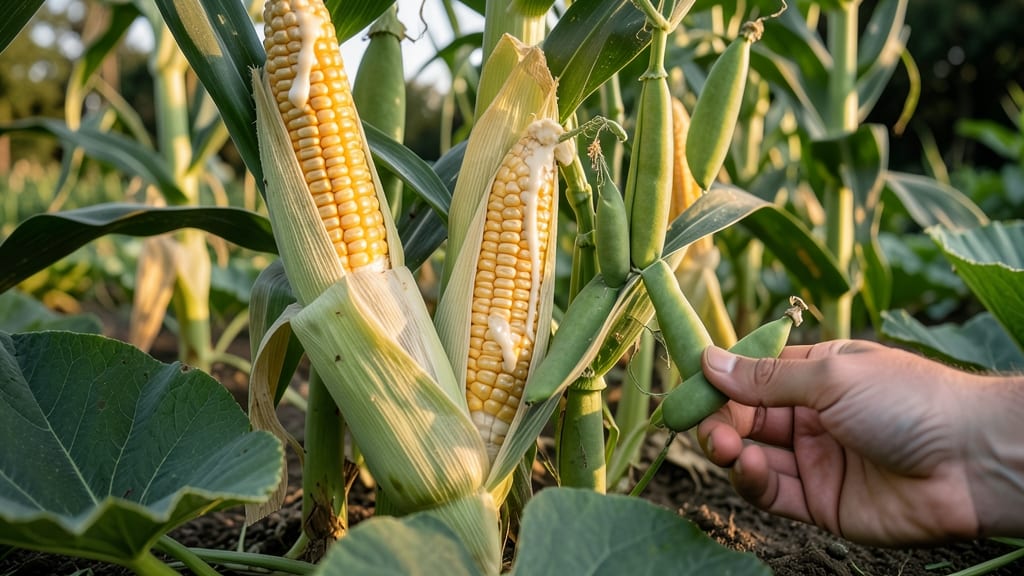
The Three Sisters method—planting corn, beans, and squash together—has sustained Indigenous communities for centuries. This ancient technique not only boosts yields but also improves soil health and deters pests. Discover 10 proven ways to maximize this symbiotic trio in your garden.
Classic Three Sisters Garden Layout
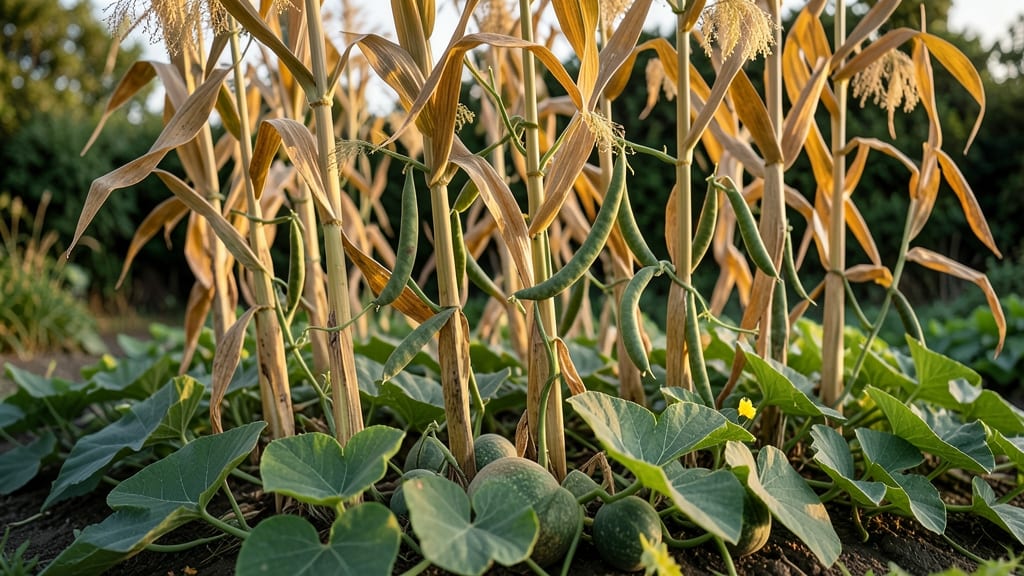
The Three Sisters method isn’t just a gardening technique—it’s a centuries-old partnership between corn, beans, and squash that works like a well-oiled machine. This foundational layout thrives on mutual support: corn stalks provide vertical structure for beans to climb, beans enrich the soil with nitrogen, and squash vines suppress weeds by shading the ground. Perfect for beginners, it requires minimal effort but delivers maximum rewards.
Start by planting corn in a hill formation (4-6 plants per hill, spaced 12 inches apart). After the corn reaches 12-18 inches tall, sow pole beans (like 'Scarlet Runner') around the base or between hills—they’ll twist up the stalks naturally. Finally, place summer squash (such as 'Zucchini') at the outer edges of the bed, ensuring its sprawling vines cover the soil. This symbiotic trio reduces pests, retains moisture, and improves soil fertility over time.
This layout is especially great for those with limited space or experience, as it’s forgiving and productive. Plus, you’ll harvest three distinct crops from one bed—ideal for small gardens or urban plots. 🌱
Succession Planting for Extended Harvests
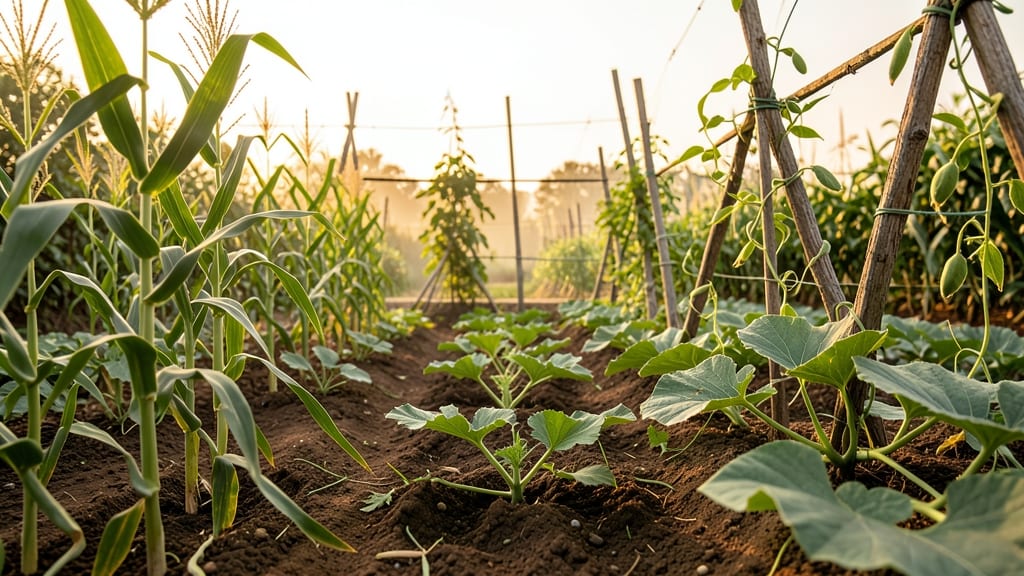
Want to keep your garden productive from summer through fall without planting a second garden? Succession planting with the Three Sisters method lets you stretch your harvest by staggering plantings—just plant corn first, then beans, and finally squash, each with precise timing.
Start by sowing corn seeds in early spring when soil reaches 60°F. About 3–4 weeks later, plant pole beans in staggered rows between the corn stalks. Then, 2 weeks after the beans, add squash seeds at the base of the corn. This sequence ensures all three crops mature together without competing for space or resources.
This method is a game-changer for gardeners with limited space or short seasons—you’ll enjoy fresh corn, beans, and squash for weeks longer than a single planting. Perfect for small plots or urban gardens! 🌱
Vertical Trellis System for Small Spaces
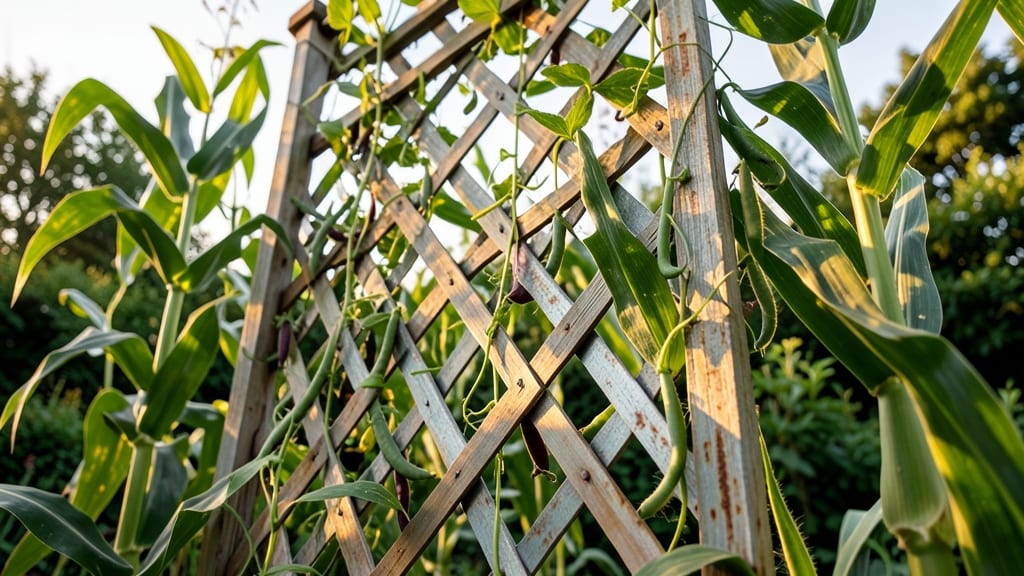
If your garden space is limited but you still dream of growing corn and beans together, a vertical trellis system is your game-changer. Instead of sprawling across your plot, these crops climb upward, freeing up precious ground space while maximizing sunlight exposure—ideal for urban gardeners or small backyards.
Start by creating a bamboo teepee structure (4-5 stakes tied at the top) or a simple A-frame trellis. Plant 4-6 corn seeds at the base of each structure, spacing them 6-12 inches apart. As the corn grows, pole beans will naturally twine up the stalks, saving you the hassle of additional supports. For squash, allow its vines to sprawl at the base—no trellis needed. This setup ensures all three crops thrive in a compact footprint while maintaining the symbiotic benefits of the Three Sisters method.
Perfect for renters, balcony gardeners, or anyone with limited space, this vertical approach lets you grow more without sacrificing yield or beauty. 🌱
Companion Planting With Herbs for Pest Control
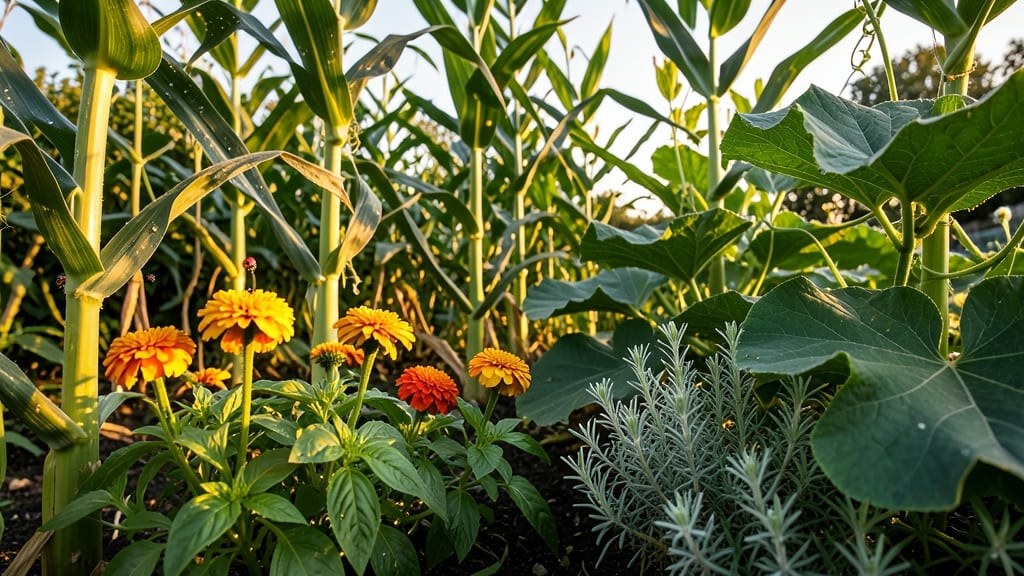
Tired of battling squash bugs and corn earworms in your Three Sisters garden? Herbs like marigolds, basil, and thyme act as nature’s pest repellent while adding flavor to your harvest. These aromatic plants disrupt pests’ life cycles and attract beneficial insects, all without harsh chemicals.
Sow marigolds between corn rows—their strong scent deters nematodes and aphids. Plant basil near squash vines to confuse pests like cucumber beetles, and scatter thyme around beans to deter earworms. These herbs thrive in full sun and complement the Three Sisters’ growth without competing for resources.
This method is perfect for organic gardeners or those seeking chemical-free solutions. Plus, you’ll enjoy fresh herbs for cooking while keeping your garden thriving. 🌿
Drought-Tolerant Varieties for Arid Climates
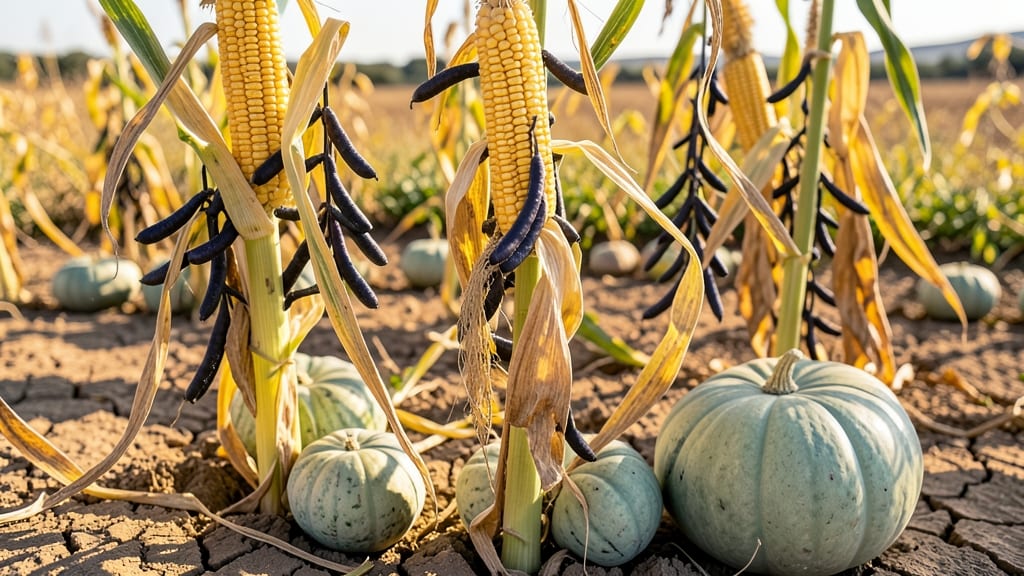
If you live in a region where water is scarce but you still want a thriving Three Sisters garden, choosing the right varieties can make all the difference. Drought-tolerant crops like 'Golden Bantam' corn, 'Black Valentine' beans, and 'Eight Ball' squash are perfect for arid climates, requiring far less water than traditional varieties while still delivering abundant harvests.
These varieties thrive with minimal irrigation once established, thanks to their deep root systems that tap into underground moisture. Plant them in well-draining soil and water deeply but infrequently—aim for 1 inch per week, including rainfall—to encourage strong root development. The beans will fix nitrogen in the soil, reducing the need for additional fertilizers, while the squash spreads across the ground to retain moisture.
This approach is ideal for gardeners in dry climates or those looking to conserve water without sacrificing yield. With the right varieties, you can enjoy a productive Three Sisters garden even in the driest conditions. 💚
Mulching Techniques to Retain Moisture
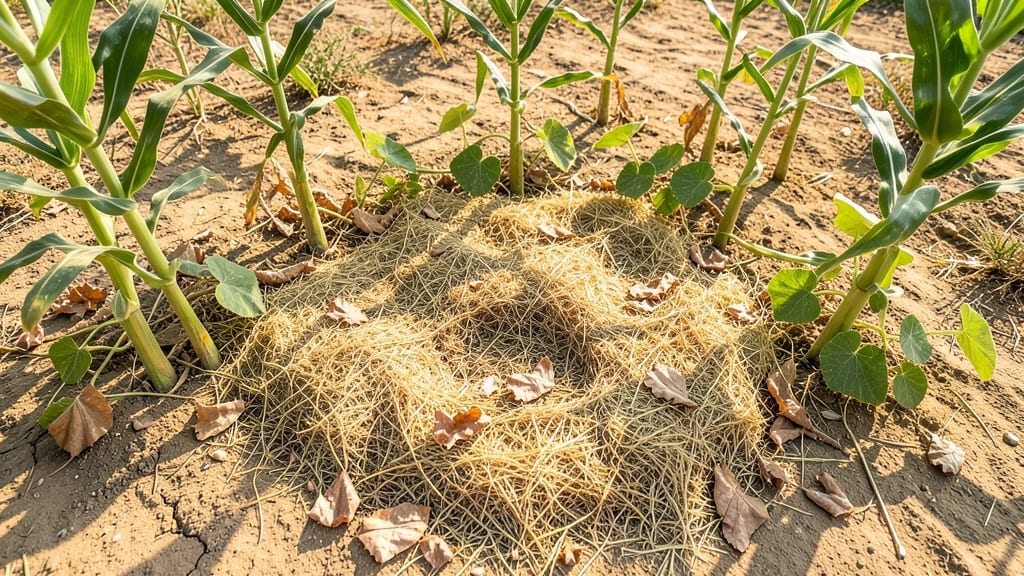
Struggling to keep your Three Sisters garden thriving in hot climates or sandy soil? Mulching isn’t just about aesthetics—it’s a game-changer for moisture retention and plant health. A 2-3 inch layer of straw or shredded leaves acts like a natural blanket, locking in precious water while blocking weeds from stealing nutrients.
Focus on applying mulch around the base of plants, keeping it 2-3 inches away from stems to prevent rot. For sandy soil, add a thin compost layer beneath the mulch to improve water-holding capacity. This method also moderates soil temperature, protecting roots during scorching afternoons or chilly nights, especially for squash vines that sprawl close to the ground.
Gardeners in arid regions or with poor soil will see the biggest benefits, but even those in moderate climates can extend watering intervals by up to 50%. Try it this season and watch your plants flourish with less effort! 🌱
Intercropping With Flowers for Pollinators
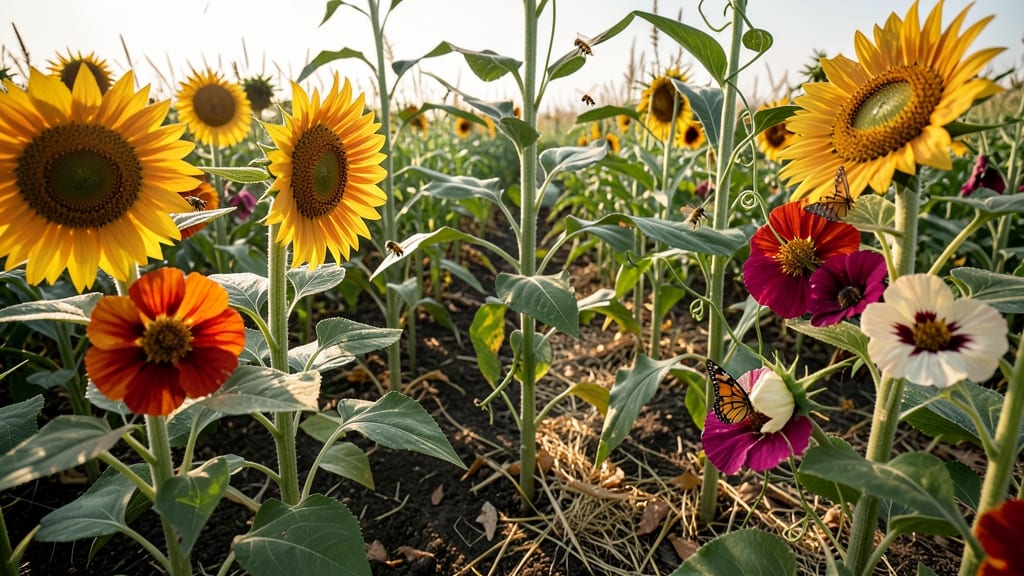
Turn your Three Sisters garden into a buzzing pollinator paradise by weaving in sunflowers or nasturtiums—two powerhouse flowers that lure bees, butterflies, and predatory wasps right to your plants. These vibrant additions don’t just brighten your bed; they actively boost pollination rates, leading to fatter corn ears, more abundant beans, and healthier squash blossoms.
Position sunflowers along the outer edges of your bed—their towering stems provide both nectar and a landing platform for bees. For a splash of color closer to the ground, tuck nasturtiums between rows; their peppery scent repels pests while attracting hoverflies that devour aphids. Both thrive in full sun and tolerate poor soil, making them the perfect low-maintenance allies for organic gardeners.
This simple intercropping strategy transforms your garden into an ecosystem where every plant supports the next. Perfect for certified organic growers or anyone who wants to cut back on synthetic fertilizers while watching their harvests flourish. 🌻
Container Gardening for Balconies or Patios
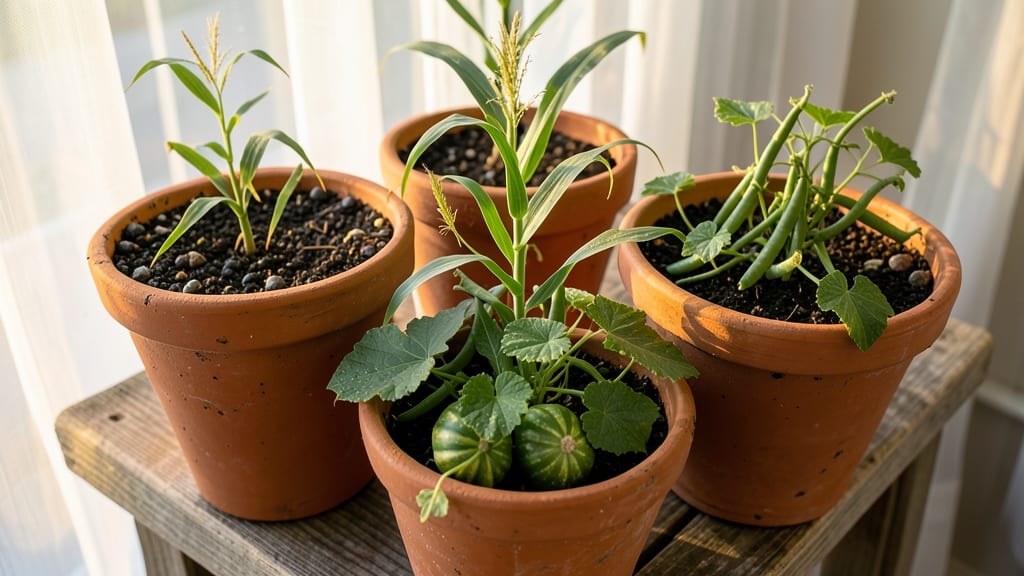
No yard? No problem! Bring the Three Sisters method to your balcony or patio with dwarf corn, bush beans, and compact squash—all thriving in just a few large containers. This space-saving approach lets renters and urban gardeners grow their own food without a traditional garden bed.
Choose 'Tom Thumb' corn (3-4 feet tall), 'Blue Lake' bush beans (no trellis needed), and 'Patio Star' squash (vines stay contained). Plant corn first in a 12-inch-deep pot, then add beans around its base, and tuck squash vines along the container’s edges. Use well-draining potting mix and ensure each pot gets 6+ hours of sun daily. Water consistently—containers dry out faster than ground soil.
This method is ideal for those with limited space or rental restrictions, delivering fresh produce just steps from your door. Plus, the symbiotic benefits—like nitrogen fixation and pest deterrence—still apply, even in pots! 🌱
Soil Amendments for Nutrient-Rich Growth
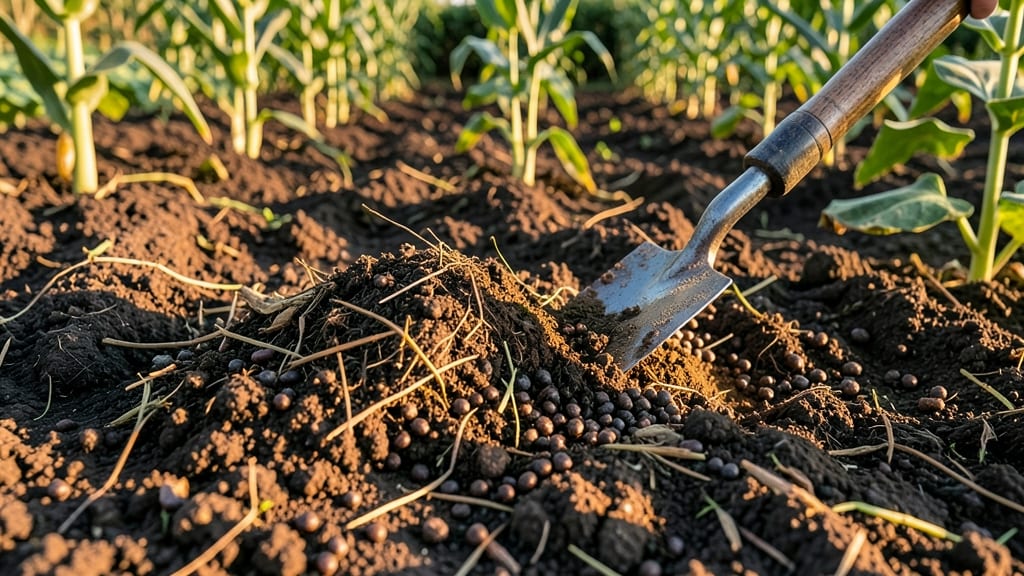
Want your Three Sisters garden to thrive from day one? The secret lies in nutrient-rich soil—a powerhouse combo of compost, worm castings, and balanced fertilizer gives your corn, beans, and squash the strong start they deserve.
Start by tilling 2-3 inches of compost into the top 6-8 inches of soil to improve structure and retain moisture. Add 1 cup of worm castings per 10 square feet for a slow-release nutrient boost, then mix in a 5-10-5 or 10-10-10 balanced fertilizer at half-strength to avoid burning young roots. This trio ensures your corn stalks stay sturdy, beans fix nitrogen efficiently, and squash vines spread vigorously.
This method is especially game-changing for depleted soils or first-time gardeners—no guesswork, just guaranteed growth. Your plants will reward you with healthier foliage, bigger yields, and fewer pests. 💚
Harvesting and Storing the Three Sisters

Timing your harvest is the key to unlocking the full flavor and shelf life of your Three Sisters garden. Unlike many crops, each of these companions has a distinct harvest window that ensures peak quality—corn at the milk stage (when kernels ooze milky liquid when pierced), beans when pods are firm but still tender, and squash when their rinds turn hard and glossy.
Store freshly harvested corn in the fridge for up to a week or preserve it by canning, freezing, or drying. Beans keep well in the pod for 3–5 days in the fridge, while dried beans last months in a cool, dark place. Squash stores best in a cool (50–55°F), humid environment, where varieties like butternut can last 2–3 months without spoiling. For extra longevity, cure squash in the sun for a day before storing.
This method ensures you enjoy your harvest long after the growing season ends—ideal for gardeners who want to preserve their bounty and reduce food waste. 🌟