
Propagation
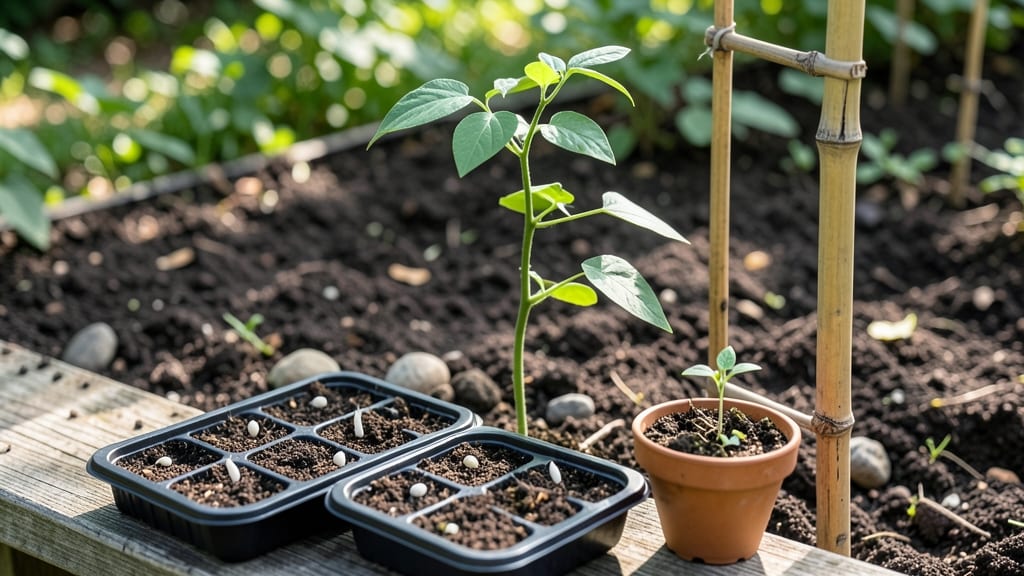
Understanding the pole bean germination time can cut that wait from two weeks down to just days with a few simple tricks.
Struggling to get your pole beans 🌱 to sprout? The germination window—just 7 to 14 days—can make or break your garden’s success, but the right conditions can cut that time in half.
Too many gardeners overlook the simple tweaks that speed up sprouting, like soil warmth or moisture balance. These factors don’t just affect timing—they determine whether your seeds even wake up at all.
Below, I’ll break down the science of fast germination, common mistakes that stall growth, and the best pole bean varieties for quick, reliable starts.
How long do pole beans take to germinate (and how to speed it up)
If you've ever planted pole beans only to stare at your garden bed waiting for those first tiny sprouts, you're not alone. The average pole bean germination time falls between 7 to 14 days, but this window can feel like an eternity when you're eager to see growth.
The good news? With the right conditions, you can cut that time nearly in half and get your beans sprouting in as little as 5 days. Understanding the science behind germination—and how to optimize it—is the key to faster, stronger plants.
Pole beans (Phaseolus vulgaris) are warm-season lovers, meaning they need specific conditions to break dormancy and start growing. The three most critical factors are soil temperature, moisture consistency, and seed viability.
Get these right, and you'll see those first green shoots peeking through the soil in record time. Let's break down the ideal germination timeline and how to accelerate it using proven techniques that actually work.
🌱 Did You Know? Pole beans are one of the fastest-growing vegetables in the garden, but their germination speed can vary by up to 10 days depending on environmental conditions. The secret to speeding up sprouts lies in mimicking their natural tropical habitat—warm, moist, and consistent.
Soil temperature is the single biggest factor in pole bean germination time. These beans thrive in warm soil, ideally between 70–85°F (21–29°C). If your soil is cooler—say, below 60°F (15°C)—germination can stall for weeks.
To speed things up, plant in a south-facing garden bed or use a seedling heat mat ($15–$25) to maintain consistent warmth. Pro tip: Check soil temp with a cheap thermometer before planting—it’s a game-changer for fast sprouts.
Moisture is another critical piece of the puzzle. Pole beans need consistently damp soil, not soggy conditions that lead to rot. After planting, use a spray bottle to mist the soil daily until sprouts appear.
Avoid overhead watering, which can displace seeds or create crusty soil that blocks emergence. Think of it like giving your seeds a warm, cozy blanket—just enough moisture to encourage growth without drowning them.
Here’s a pro move: Pre-soak your seeds for 6–12 hours in warm water before planting. This trick can shave 2–3 days off germination time by kickstarting the hydration process. Just place seeds in a bowl of water, cover, and let them soak overnight.
Drain and plant them the next morning—no need to rinse. This method works especially well for older seeds that might need a little extra encouragement to sprout.
Light plays a subtle but important role in pole bean germination. While seeds don’t need light to sprout, indirect light after planting helps prevent leggy seedlings.
Once your beans have sprouted (usually within 5–7 days under ideal conditions), move them to a sunny location with at least 6 hours of direct sunlight daily. This ensures strong, sturdy plants ready to climb your trellis or pole.
If you're planting in cooler climates or early spring, consider starting your pole beans indoors 2–3 weeks before the last frost. Use biodegradable pots and transplant seedlings outdoors after the soil warms up.
This head start can give you a 2-week advantage in the growing season, especially if you're aiming for a long harvest window. Just be sure to harden off your seedlings by exposing them to outdoor conditions gradually over 5–7 days before transplanting.
Patience is key, but don’t let more than 14 days pass without checking for germination issues. If your seeds still haven’t sprouted after two weeks, they may be old or low-quality. Test a few new seeds in a separate pot to see if they germinate faster—sometimes, it’s just
Common mistakes that delay pole bean germination (and how to fix them)
Even with the right pole bean germination time of 7 to 14 days, many gardeners still face delays. The issue often boils down to simple but critical mistakes in soil prep, moisture control, or seed handling.
I’ve seen firsthand how a few tweaks can transform slow starters into vigorous sprouts within days.
One of the biggest culprits is overwatering seeds before they’ve had a chance to absorb moisture naturally. While keeping soil damp is key, drowning seeds in water can suffocate them or trigger rot. The fix? Use a spray bottle to mist the soil lightly—just enough to moisten without creating puddles.
Another common error is planting seeds too deep or shallow. Pole beans need 1 inch of depth—any deeper, and they’ll struggle to break through the soil; too shallow, and they’ll dry out. Aim for a consistent depth and gently firm the soil around them to ensure good contact.
⚠️ WARNING: These 3 Mistakes Kill Pole Bean Sprouts
⚠️ Inconsistent soil temperature – Cold soil (below 60°F) halts germination. Fix: Use black plastic mulch or a seedling mat to warm soil.
⚠️ Poor seed viability – Old or stored improperly seeds may not sprout. Fix: Test viability by soaking seeds overnight—90%+ float means discard them.
Inconsistent soil temperatures are another silent killer. Pole beans thrive when soil stays between 60°F and 90°F. If your garden runs cooler, try planting in a south-facing spot or use a clear plastic dome to trap heat. Avoid planting in early spring when soil temps are still fluctuating.
Even old or improperly stored seeds can delay germination. If your seeds are over 2 years old, their viability drops significantly. For a quick test, soak a handful in water overnight—if fewer than 90% float, toss them and start fresh.
Fresh seeds from reputable suppliers (like Baker Creek or Johnny’s Selected Seeds) germinate reliably.
Finally, skipping pre-soaking can add days to your germination timeline. Soak seeds in lukewarm water for 8–12 hours before planting to kickstart the process. Drain and plant immediately—don’t let them dry out. This trick can shave 2–3 days off your pole bean germination time.
By avoiding these pitfalls, you’ll see those first green shoots in as little as 5–7 days—not weeks. Happy planting! 🌱