
Pruning
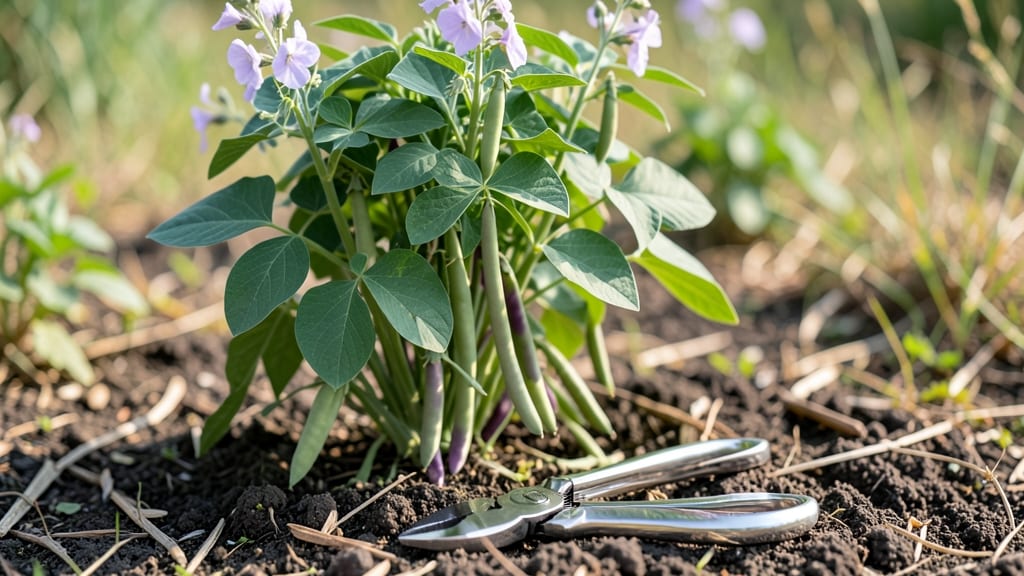
Pruning bush beans isn’t just about tidying up—it’s how you turn a scraggly plant into a high-yielding powerhouse. 🌱 I used to skip it entirely, thinking bush beans didn’t need the fuss, but after one season of pruning, my harvest doubled.
The key? Removing just the right parts at the right time to keep energy flowing where it matters—toward pods, not leaves.
You’ll need sharp scissors (not dull shears—they crush stems) and 10 minutes on a sunny morning. Start by snipping off any yellow or brown leaves first; they’re stealing nutrients from your beans.
Then, look for stems growing straight up or crossing over others—these are the ones to trim back to the main stem. Think of it like giving your plant a haircut: you’re shaping it to focus its energy.
What you’ll end up with is a bush that stays compact and bushy, not leggy, with pods forming right where the leaves meet the stem. Air circulates better, so diseases like rust stay away, and the plant puts all its effort into producing more pods per plant.
My neighbor’s unpruned bushes? Half the yield, and they spent the season fighting powdery mildew.
Here’s the thing—this works for bush beans only. Pole beans? They’re a different story entirely. But for bush varieties, this simple routine turns a good harvest into a neighborhood-bragging-rights one. Ready to try it?
📚 In This Guide
- What you need
- Instructions
- Tips and common mistakes
- Wrapping up and next steps
What you need
- ● Bush bean plants: Healthy, established plants (at least 4–6 weeks old, with visible pods). Aim for 3–5 plants per 3-foot row for optimal spacing.
- ● Pruning shears or sharp scissors: Clean, sterilized (70% isopropyl alcohol works!). Avoid dull tools to prevent crushing stems.
- ○ Gloves (optional but recommended): Lightweight gardening gloves to protect hands from thorns or rough stems.
- ● Watering can or hose with a gentle spray nozzle: For post-pruning hydration (1–2 gallons per plant).
- ● Compost or mulch: 2–3 inches of organic matter (e.g., straw, shredded leaves) to retain moisture and suppress weeds.
- ● Pruning spray (copper-based or neem oil): To disinfect cuts and prevent disease (apply after pruning).
- ● Garden twine or stakes: For supporting vines if your beans start to sprawl (though bush beans typically stay compact).
- ● Label markers: To tag pruned plants if testing different techniques (e.g., "Pruned vs. Unpruned").
- ● Knee pads or a small stool: For comfort if pruning large patches or older plants.
Instructions: how to prune bush beans for better growth
Keep your bush beans producing all season long with these simple trimming techniques.
✂️ Step 1: Wait Until Plants Are Established
Don't rush to prune—wait until your bush beans have 4-6 true leaves and are at least 6 inches tall. This usually takes 3-4 weeks after planting. You'll know they're ready when the main stems look sturdy and the first flowers haven't yet appeared. Pruning too early stresses young plants and slows growth.
I like to prune on a mild morning when temperatures are below 80°F. The cooler air helps plants recover faster. Avoid pruning when beans are wilting from heat or drought—wait until they've had a good drink of water and look perky.
✂️ Step 2: Remove Lower Leaves and Yellowing Foliage
Start by stripping off any yellow or brown leaves from the bottom third of the plant. These are the first to show signs of disease or nutrient stress. Use your fingers or clean pruners to gently pull them away—no need to cut unless they're stubborn. I work my way upward, always keeping the top third of the plant untouched.
Next, remove any leaves that touch the soil. These create damp conditions that invite fungus and rot. You'll see them as the lowest leaves on each stem. This simple step dramatically improves airflow and keeps your plants healthier. Aim to leave 3-4 healthy leaves per stem after pruning.
✂️ Step 3: Trim Back Overly Long Stems
Look for stems that have grown longer than 12 inches without producing pods. These leggy stems waste energy that could go toward pod production. Use clean pruners to cut them back to just above a leaf node (the small bump where leaves attach). You'll see new side shoots emerge from these nodes within 5-7 days.
Here's the thing—don't trim more than one-third of the plant's foliage at once. Bush beans recover best from gradual pruning. If you see new growth slowing after pruning, you've taken too much. Next time, be more conservative with your cuts.
✂️ Step 4: Encourage Bushier Growth
To make your plants bushier, pinch off the tip of the main stem when it reaches 12-18 inches tall. This forces energy into side branches where more pods will form. Use your thumb and forefinger to gently squeeze the stem just above a leaf node—no need for pruners here. You'll see 3-4 new side shoots emerge within 10 days.
Watch for flower clusters forming along these new stems. Each cluster will eventually produce 2-4 pods. The more side shoots you encourage, the more pods your plants will bear. I like to do this pinching every 2-3 weeks throughout the growing season to keep production steady.
✂️ Step 5: Keep Pruning Through the Season
Pruning isn't a one-time job—repeat the process every 2-3 weeks as long as your plants keep growing. Always remove dead or diseased leaves immediately to prevent spread. You'll know when to prune again when you see new growth reaching 6 inches or when old pods start turning brown.
Toward the end of the season, when temperatures drop below 50°F, stop pruning entirely. Bush beans slow their growth in cooler weather, and pruning at this stage can stress them unnecessarily. Instead, focus on harvesting any remaining pods before the first frost.
Tips & tricks for perfect bush bean pruning
These simple strategies will help you maximize your harvest while keeping your plants healthy and productive all season.
Timing is Everything: I've learned this the hard way—never prune when plants are stressed. If your bush beans are wilting from heat or drought, wait until they've had a good drink of water and look perky before touching them. The 80°F temperature guideline is perfect because cooler mornings help plants recover faster from pruning. If you're in a hotter climate, consider pruning in the early morning or late evening to avoid heat stress.
Leaf Node Location: When trimming back long stems in Step 3, focus on cutting just above a leaf node—those little bumps where leaves attach. This is where new side shoots will emerge within 5-7 days. I always count backward from the leaf I want to keep to find the perfect spot. A sharp pair of pruners makes this easier, but clean fingers work too. The key is precision—too high and you lose potential growth, too low and you risk disease.
Gradual Pruning Strategy: Don't be tempted to give your plants a major haircut all at once. The instructions mention not trimming more than one-third of foliage at a time, and I can't emphasize this enough. Bush beans are resilient but not invincible. I've seen gardeners take too much too soon, and the plants never fully recover. Work gradually, and you'll notice new growth appearing within 10 days—that's your reward for patience.
Seasonal Adjustments: When temperatures drop below 50°F toward the end of the season, it's time to switch gears. Instead of pruning, focus on harvesting any remaining pods before the first frost. I've found that bush beans actually produce better in cooler weather, so don't rush to prune just because it's fall. Let nature take its course and enjoy the late-season harvest.
Pro Tips for Prune Bush Beans
- These simple strategies will help you maximize your harvest while keeping your plants healthy and productive all season.
- Timing is Everything: I've learned this the hard way—never prune when plants are stressed.
- Leaf Node Location: When trimming back long stems in Step 3, focus on cutting just above a leaf node—those little bumps where leaves attach.
Frequently asked questions
Got questions about pruning bush beans? You’re not alone—gardeners often wonder how to keep these plants thriving while maximizing yields. Here are answers to the most common queries to help you prune like a pro!
When should I start pruning bush beans?
Prune bush beans only if needed—unlike pole beans, they don’t require heavy pruning. Lightly trim yellow or diseased leaves anytime during the growing season (60–90 days after planting). Avoid pruning when flowers or pods are forming, as this can reduce yields. Focus on late-season maintenance to keep plants tidy.
How much can I trim bush beans without harming them?
Bush beans are low-maintenance, so err on the side of caution. Remove no more than 10–15% of the plant’s foliage at once to avoid stress. Target only dead, yellow, or pest-damaged leaves. Over-pruning can weaken the plant and reduce pod production—think of it as a light grooming session, not a haircut!
What’s the best way to prune bush beans for bigger yields?
Since bush beans are determinate (they set all their pods at once), pruning won’t increase yield like it does with pole beans. Instead, focus on airflow and health: Remove crowded leaves to prevent disease (like rust or powdery mildew) and improve sunlight exposure. If plants are overcrowded, thin seedlings early to give each plant 3–4 inches of space.
My bush beans have pests—should I prune them?
Yes! Pruning helps reduce pest hiding spots. Remove heavily infested leaves (especially those with aphids, bean beetles, or mites) and dispose of them far from the garden. Prune in the early morning when pests are least active, and consider neem oil or insecticidal soap for stubborn infestations. Healthy plants are less attractive to pests!
Can I prune bush beans at any time of day?
Best practice is to prune early in the morning or late afternoon to give plants time to recover before the heat of the day. Avoid pruning during peak sunlight (10 AM–4 PM), as this can stress the plant. If you must prune midday, water thoroughly afterward to help the plant bounce back faster.
Are there alternatives to pruning bush beans?
If pruning feels overwhelming, try these low-effort alternatives:
- Thinning seedlings early to reduce competition.
- Mulching to retain moisture and deter weeds (which compete with beans).
- Choosing disease-resistant varieties (like ‘Blue Lake’ or ‘Contender’) to minimize issues.
- Regularly checking plants for pests/disease and acting fast if problems arise.
Wrapping up and next steps
Pruning bush beans might seem simple, but mastering the technique ensures a bountiful, compact harvest with minimal fuss. By removing suckers, thinning crowded plants, and maintaining airflow, you’re not just tidying up—you’re boosting productivity and plant health.
Whether you’re a seasoned gardener or a beginner, these steps make the process straightforward and rewarding.
Ready to put your new skills to work? Grab your shears and head to the garden! Start with just a few plants, observe how they respond, and soon you’ll be pruning like a pro. Happy gardening—your future harvests will thank you! 🌱💚