
Pests
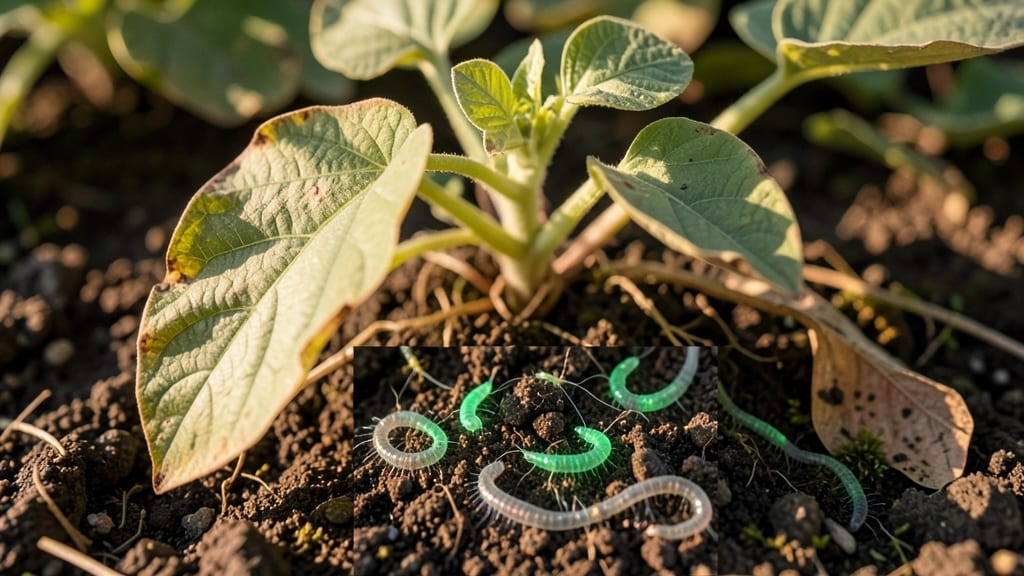
Worms play a surprisingly complex role in lima bean plant health—sometimes aiding growth, other times posing risks. Understanding these interactions helps gardeners optimize yields while protecting their crops from hidden threats.
Earthworms as Natural Soil Aerators
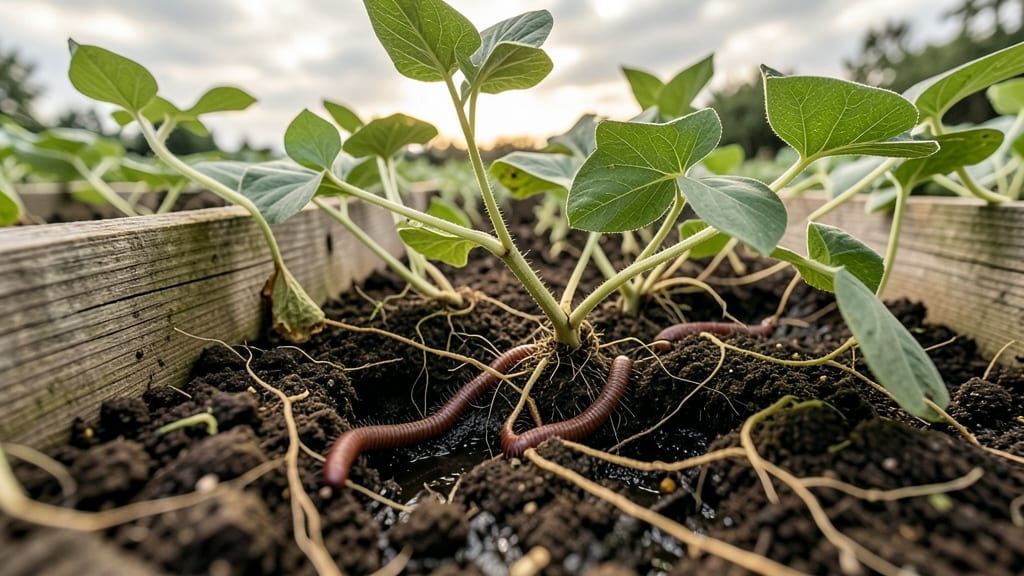
If your lima bean patch feels like it’s struggling in dense, heavy soil, earthworms might be your secret weapon. These underground engineers create tunnels that loosen compacted dirt, allowing roots to spread deeper and access nutrients more efficiently—especially in clay-heavy or urban garden beds.
Each earthworm burrows 1-3 feet daily, breaking up compacted soil while depositing nutrient-rich castings that act like a slow-release fertilizer. For lima beans, this means better root penetration and improved water retention, reducing stress during dry spells. To encourage them, add organic mulch (like straw or leaves) and avoid synthetic pesticides that harm their populations.
Gardeners with tight or urban soils will see the biggest benefits, as these conditions often lack the natural aeration earthworms provide. A thriving worm population can turn struggling lima beans into vigorous, high-yielding plants. 🌱
Cutworm Damage to Young Seedlings
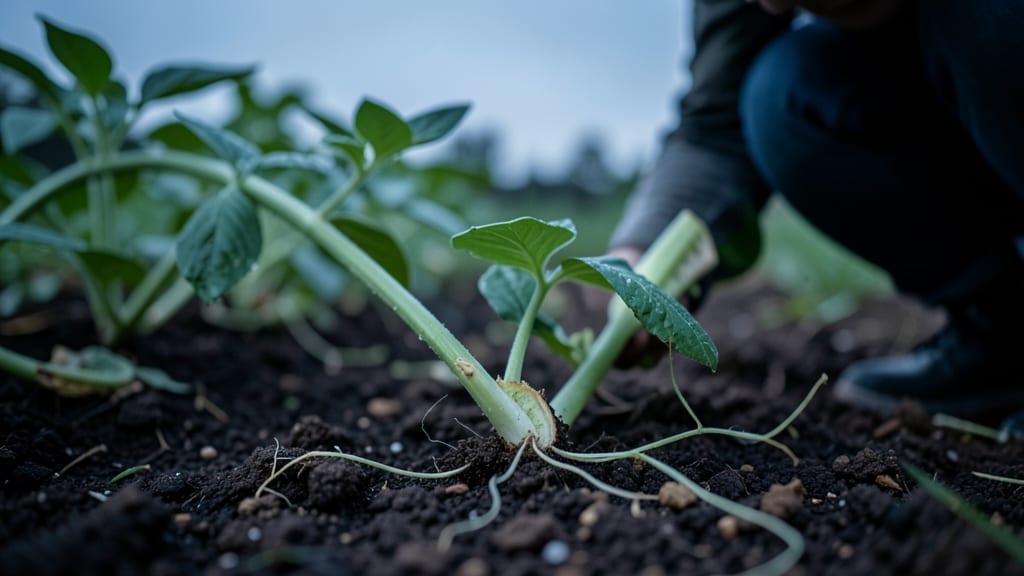
If your young lima bean seedlings suddenly topple over like felled trees—only to reveal clean, jagged cuts at the stem base—you’ve met your garden’s newest nighttime intruder: cutworms. These nocturnal bandits are the lima bean grower’s worst enemy, striking under cover of darkness to sever stems just above soil level.
Cutworms thrive in moist, weedy soil and can decimate entire plantings in a single night. Prevention starts with early monitoring: inspect seedlings at dusk or dawn for signs of activity, like chewed stems or silvery slime trails. Organic controls like diatomaceous earth (food-grade only) create a natural barrier around stems, while collars made from cardboard or foil deter burrowing. For severe infestations, handpick worms at night using a flashlight—they’ll curl into a C-shape when disturbed.
This menace is especially tricky for beginners, but knowing their habits gives you the upper hand. With vigilance and organic tools, you can protect your lima bean crops before they even get started. 🌱
Root-Knot Nematodes in Lima Bean Roots
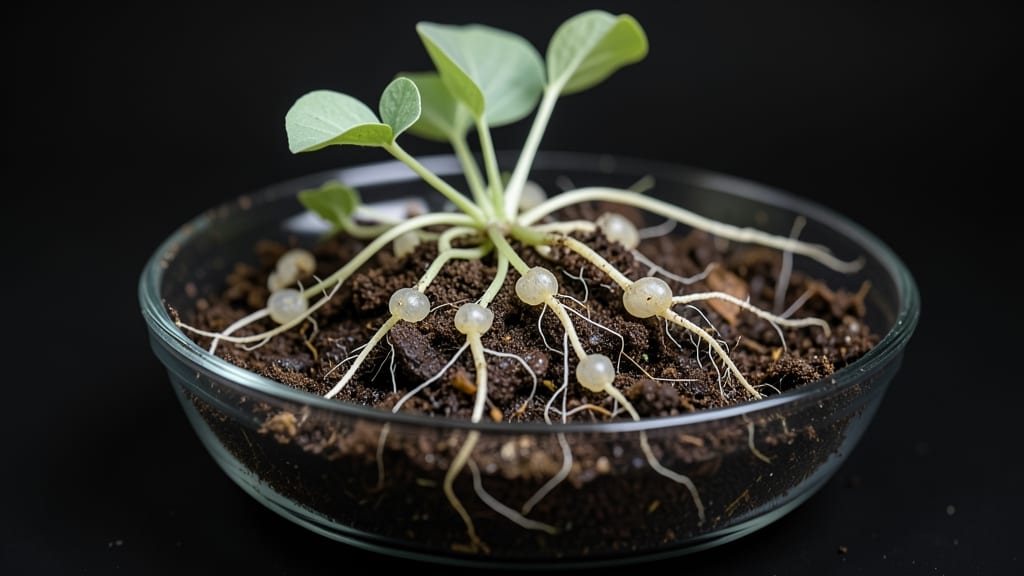
If your lima beans look stunted despite ideal growing conditions, microscopic root-knot nematodes might be the culprit. These soil-dwelling worms create swollen, knot-like galls on roots, disrupting nutrient uptake and slashing pod production—especially in warm, humid regions where lima beans flourish.
Identify them by examining roots for small, marble-sized swellings or yellowing leaves with stunted growth. To combat these pests, rotate crops with non-host plants like grasses or marigolds, and apply neem oil or beneficial nematodes (Steinernema species) as organic controls. Solarizing soil in summer can also reduce populations.
Gardeners in southern climates or those reusing garden beds should prioritize soil testing for nematodes annually. Early detection is key to preserving your lima bean harvest. 💡
Compost Worms Breaking Down Organic Matter
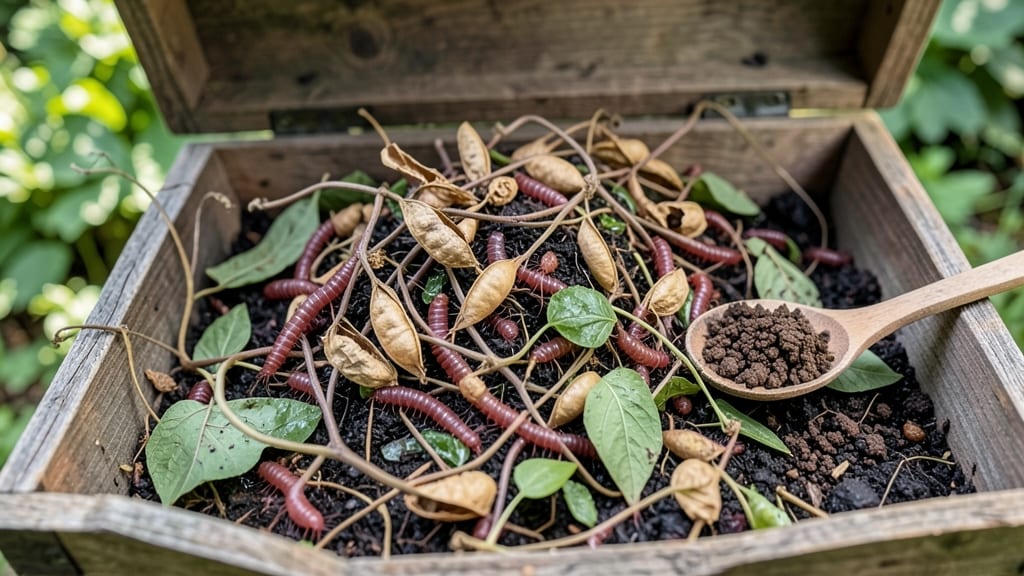
After your lima bean harvest ends, the leftover vines and pods don’t have to go to waste—red wigglers can turn them into nutrient gold. These compost worms feast on organic residues, breaking them down into nitrogen-rich castings that supercharge soil fertility for next season’s plantings.
Start by shredding lima bean residues into small pieces and mixing them with bedding materials like damp newspaper or leaves. Keep the compost bin moist (like a wrung-out sponge) and feed worms small batches every 2-3 weeks to avoid souring. Within 6-8 weeks, you’ll have dark, crumbly compost packed with plant-available nutrients—ideal for feeding heavy feeders like tomatoes or corn.
This method is perfect for gardeners practicing closed-loop systems, where plant waste fuels new growth. Plus, the process is odor-free when done right, making it a great urban-friendly option. 💚
Wireworms Attacking Germinating Seeds
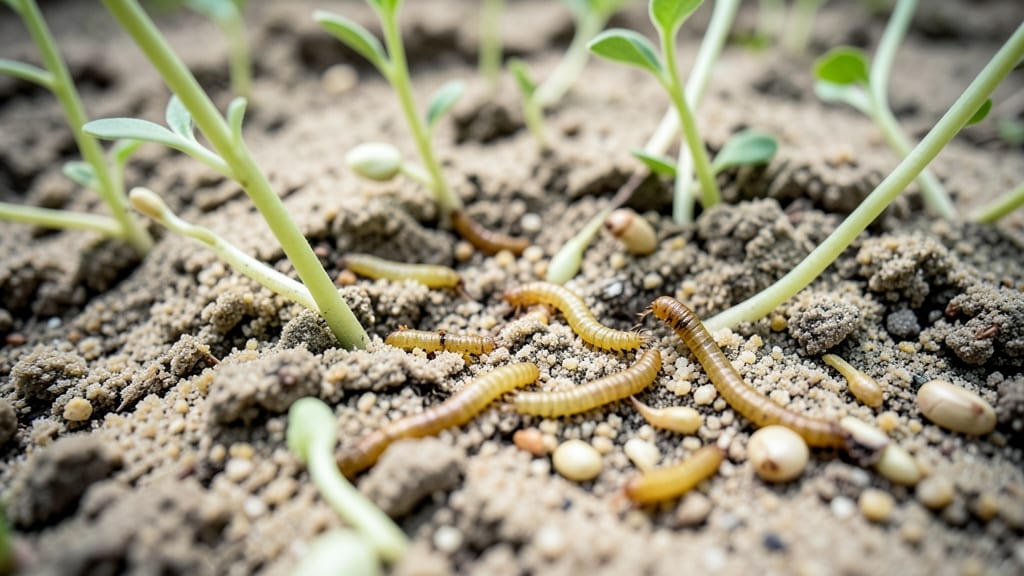
If your lima bean seeds are sprouting poorly despite ideal conditions, wireworms—the voracious larvae of click beetles—might be the culprit. These slender, yellow-brown larvae tunnel through seeds in the soil, devouring them before germination even begins, especially in sandy, well-drained soils where they thrive.
Wireworms target seeds underground, leaving no visible signs above soil level until germination fails. To combat them, plant seeds deeper (1-2 inches) to deter tunneling, or use row covers until seedlings emerge. Crop rotation with grasses like rye can also disrupt their life cycle, as wireworms prefer legume seeds like lima beans. For severe infestations, consider neem oil treatments on the soil surface before planting. 💡
Beneficial Nematodes for Pest Control
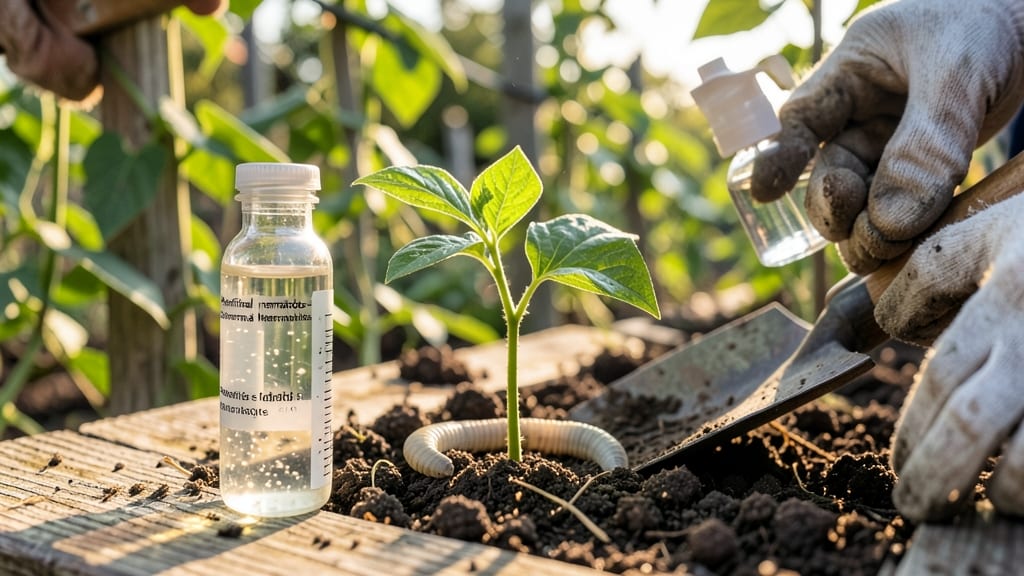
Tired of losing young lima bean seedlings to cutworms but want to avoid harsh chemicals? Beneficial nematodes like Steinernema and Heterorhabditis offer a targeted, invisible solution—these microscopic predators hunt and eliminate harmful worms without harming your plants or soil.
These nematodes are applied as a water-soluble solution and enter the soil, where they seek out and infect pests like cutworms. Once inside, they release bacteria that kill the host within 48 hours. For best results, apply in the evening when soil is moist and temperatures are between 55-85°F, repeating every 4-6 weeks during peak pest season.
Perfect for organic gardeners, these nematodes are especially valuable for those growing lima beans in containers or raised beds, where pest pressure can be intense. They’re also safe for pollinators and other beneficial insects, making them a smarter choice than chemical pesticides. 💚
Slugs and Snails Feeding on Lima Bean Leaves
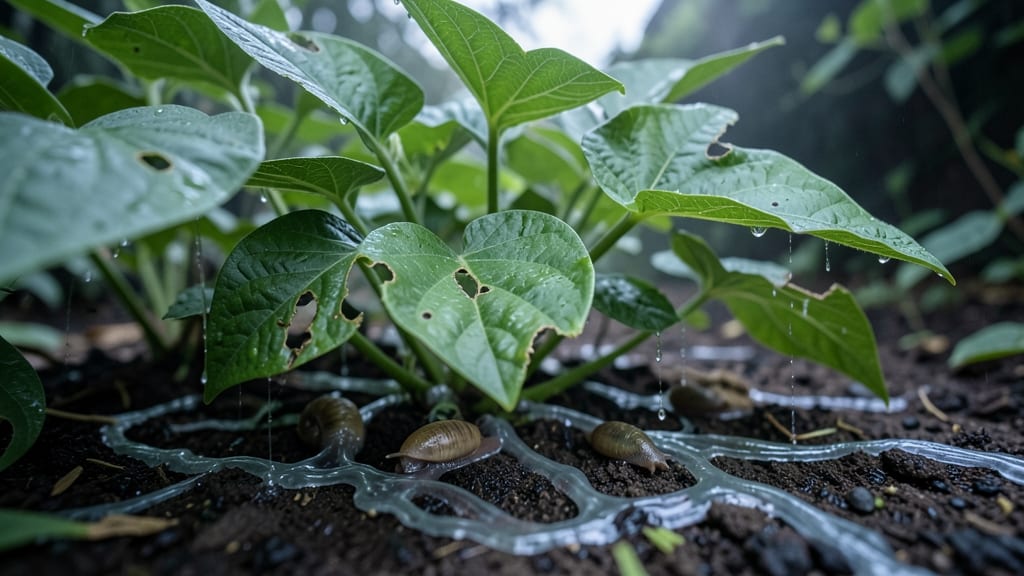
If your lima bean leaves are suddenly covered in jagged, irregular holes—especially after humid nights—you’re likely dealing with slugs and snails. These soft-bodied gastropods thrive in moist, shaded conditions, turning your healthy foliage into a buffet overnight.
Unlike other pests, slugs and snails leave behind a telltale silver slime trail and chew leaves in a ragged pattern, often targeting young or tender growth first. To protect your plants, create physical barriers like copper tape around containers or beds, or use organic deterrents such as crushed eggshells or diatomaceous earth. Watering in the morning (instead of evening) also helps, as it reduces humidity when these pests are most active.
This issue is particularly tricky for gardeners in humid climates or those growing lima beans under shade cloth. While chemical slug baits exist, they can harm beneficial insects—so opt for preventive barriers instead. With the right strategies, you can keep your lima beans lush and slug-free! 🌿