
Shrubs
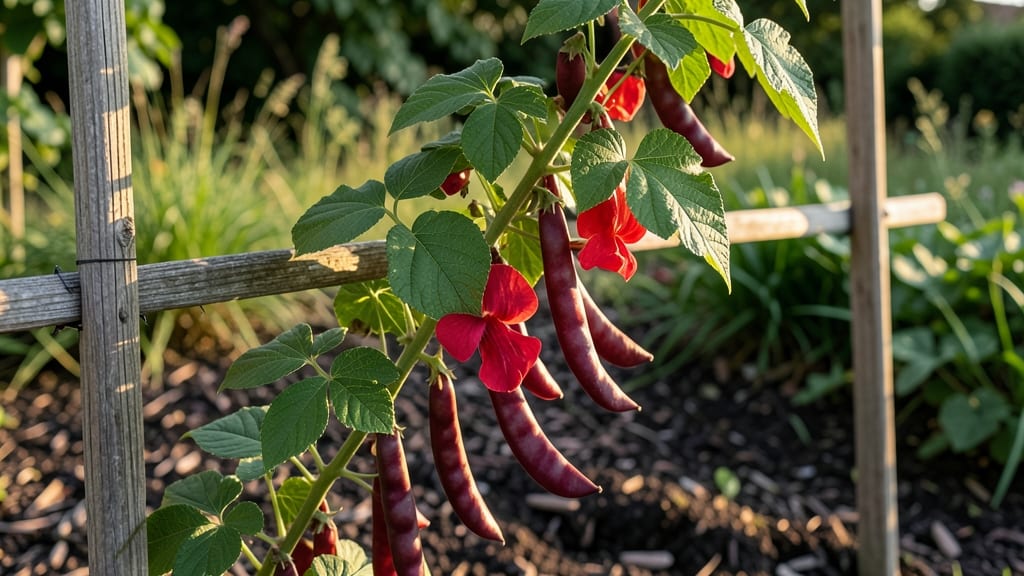
Growing red Chinese beans delivers the most satisfying crunch in just 60 days—that crisp snap and earthy aroma make every pod worth the wait. 🌱 I’ve grown them for years, and the secret isn’t fancy soil or expensive trellises; it’s timing, spacing, and a little patience that turns scraggly seedlings into a productive vine.
These beans thrive in warm soil and full sun, but they hate soggy roots—so we’re talking morning watering and well-draining beds. Unlike bush beans, they climb, so a simple trellis or sturdy fence transforms them from ground-huggers to vertical showstoppers.
The first pods appear around 50 days after planting, and if you keep harvesting, the plants keep producing until frost. You’ll end up with vines heavy enough to bend under their own weight, pods that stay crisp even when fully grown, and a harvest that outlasts store-bought beans by weeks.
The key? Start seeds indoors 4-6 weeks before last frost or plant directly when soil hits 60°F—no earlier, or they’ll sulk. Perfect for small gardens, containers, or even balcony setups with a mini trellis. Here’s how to make it happen without the guesswork.
📚 In This Guide
- What you need
- Instructions
- Tips and common mistakes
- Wrapping up and next steps
What you need
- ● Red Chinese bean seeds – Choose Vigna unguiculata (cowpea variety) or Phaseolus vulgaris (specific heirloom strains like 'Red No. 2'). Aim for 5–10 seeds per plant (or 1–2 seeds per pod if direct-sowing).
- ● Well-draining potting mix or garden soil – 6–8 inches deep (or a 5-gallon container for container gardening). Mix in compost (1 part compost to 3 parts soil) for nutrient-rich soil.
- ● Sunlight access – A spot with 6–8 hours of full sun daily (partial shade in hot climates).
- ● Watering can or hose with a gentle spray nozzle – Beans need 1–1.5 inches of water per week (keep soil moist but not soggy).
- ○ Trellis, stakes, or cage (optional but recommended) – Vines grow 4–6 feet tall. Use 5–6 foot bamboo stakes or a tomato cage for support.
- ● Garden trowel or small shovel – For planting seeds 1 inch deep and 3–4 inches apart.
- ○ Gloves (optional) – To protect hands while handling soil or vines.
- ● Plant labels or markers – To track varieties if growing multiple types.
- ● Mulch (straw or shredded leaves) – 2–3 inches thick to retain moisture and suppress weeds.
- ○ Fertilizer (optional but helpful) – A balanced, low-nitrogen fertilizer (5-5-5 or 10-10-10) applied at planting and again when flowers appear.
How to grow fragrant red Chinese beans from seed
These beans deliver sweet, crunchy pods in just 60 days—here's how to grow them like a pro.
🌱 Step 1: Start Seeds Indoors 4-6 Weeks Before Last Frost
Fill 2-3 inch deep seed-starting trays with moistened seed-starting mix (not garden soil) and press it down gently. Plant 2-3 seeds per cell at a depth of 1 inch, since they need good soil contact to germinate. Cover lightly with additional mix and mist gently until the surface looks evenly damp.
Place the tray in a warm spot—70-80°F is ideal—and cover with a humidity dome or plastic wrap. Check daily for moisture; you want the soil to stay damp but not soggy. Germination takes 7-10 days, so be patient. Once sprouts appear, remove the cover immediately to prevent damping-off disease.
☀️ Step 2: Provide Bright Light and Thin Seedlings
Move seedlings to a sunny window or under grow lights as soon as they emerge. Red Chinese beans need 6-8 hours of direct light daily to grow strong and compact. If you notice leggy growth (long, pale stems), your light source is too weak or too far away—adjust within 4 inches of the plants.
When seedlings have 2-3 true leaves (not the initial seed leaves), thin to the strongest plant per cell. Use clean scissors to snip the weaker stems at soil level—don't pull, or you'll disturb the roots of the remaining plant. This step ensures your beans get enough nutrients and space to thrive.
🪴 Step 3: Transplant Outdoors After All Frost Risk Passes
Wait until soil temperatures reach 60°F and nighttime temperatures stay above 50°F before transplanting. Choose a location with full sun and well-draining soil. Dig holes 1 inch deeper than the seedling's root ball and space plants 4-6 inches apart in rows 18-24 inches apart.
Water deeply before transplanting, then place each seedling in its hole and firm the soil gently around the base. Avoid burying the stem too deeply—this can cause rot. After planting, water again to settle the soil and encourage root growth. Mulch with 2-3 inches of straw to retain moisture and suppress weeds.
💧 Step 4: Water and Fertilize for Maximum Yield
Keep the soil consistently moist but never waterlogged—beans need 1 inch of water per week, more during hot, dry spells. Water at the base of the plant in the morning to allow foliage to dry quickly, reducing disease risk. Avoid overhead watering, as wet leaves can attract pests and fungal issues.
Fertilize lightly when flowers appear with a balanced 10-10-10 fertilizer or compost tea. Too much nitrogen promotes leafy growth at the expense of pods. Instead, focus on phosphorus and potassium to encourage flowering and pod development. You'll know you're on track when you see white to lavender flowers appear after 4-6 weeks.
✂️ Step 5: Harvest and Maintain for Continuous Production
Harvest pods when they're 3-4 inches long and still crisp—this is when they're most tender and flavorful. Pick regularly to encourage more production; pods left on the vine will toughen and lose sweetness. Use clean scissors or pinch them off at the stem to avoid damaging the plant.
If your plants produce more pods than you can harvest, thin them to 4-5 pods per vine to prevent overcrowding. This ensures the remaining pods grow larger and stay crunchy. With proper care, Red Chinese beans will keep producing for 60-80 days, giving you a steady supply of fresh, fragrant pods straight from your garden.
Tips & tricks for growing fragrant red Chinese beans
Here's what I learned after growing these beans for years—tricks that make all the difference between decent vines and a bountiful harvest.
Seed Starting Strategy: For faster germination in Step 1, soak your seeds in warm water for 4-6 hours before planting. This mimics natural rain and can cut your 7-10 day germination time by 1-2 days. Just make sure to plant them immediately after soaking—they'll sprout faster but also dry out quicker. I've found this especially helpful in cooler homes where maintaining 70-80°F can be tricky.
Lighting Hack: In Step 2, if you're using grow lights, position them 3-4 inches above seedlings at first, then gradually raise to 6 inches as they grow. The 6-8 hours of direct light requirement is non-negotiable—these beans won't tolerate anything less. I've seen leggy seedlings turn into sturdy plants just by adjusting my light schedule to match my workday (morning sun simulation followed by afternoon light).
Transplanting Timing: The 60°F soil temperature rule in Step 3 is crucial—use a soil thermometer to verify. I've transplanted too early when soil was only 55°F, and the roots struggled to establish. Pro tip: If your area has unpredictable spring weather, use black plastic mulch 2-3 weeks before transplanting to warm the soil faster. This gives you a better chance of hitting that 60°F mark consistently.
Watering Wisdom: For Step 4's 1 inch of water per week guideline, I've found drip irrigation works best—it delivers water right at the base without wetting leaves. The morning watering tip is golden: wet foliage overnight invites fungal problems. I've seen powdery mildew appear within days when I ignored this, especially in humid climates. A simple spray nozzle attachment helps direct water precisely where it's needed.
Pro Tips for Red Chinese Beans
- Here's what I learned after growing these beans for years—tricks that make all the difference between decent vines and a bountiful harvest.
- Seed Starting Strategy: For faster germination in Step 1, soak your seeds in warm water for 4-6 hours before planting.
- Lighting Hack: In Step 2, if you're using grow lights, position them 3-4 inches above seedlings at first, then gradually raise to 6 inches as they grow.
Frequently asked questions
Got questions about growing red Chinese beans?
You’re in the right place! Here are answers to the most common queries—from planting to harvest—to help you cultivate these fragrant, crunchy pods like a pro.
How long does it take for red Chinese beans to mature?
Red Chinese beans typically mature in 60–70 days from planting, depending on your climate and variety. If you’re growing them in cooler regions, opt for early-maturing varieties (like ‘Red Noodle’) or extend the season with row covers. Check seed packets for exact days-to-maturity—most promise crunchy pods in just 2 months!
Do red Chinese beans need a trellis, or can they grow on the ground?
While red Chinese beans can sprawl on the ground (like traditional bush beans), they thrive with support! A 3–5 foot trellis, fence, or even a sturdy tomato cage keeps pods off the soil, reduces disease risk, and makes harvesting easier. Plus, vertical growth saves space—perfect for small gardens or containers.
Why are my red Chinese bean plants wilting or turning yellow?
Wilting or yellowing leaves usually signal overwatering, underwatering, or nutrient deficiencies. Check soil moisture—beans prefer 1–1.5 inches of water per week but hate soggy roots. Yellow leaves? Test for nitrogen deficiency (add compost or a balanced fertilizer) or pests like aphids (spray with soapy water). If wilting persists, inspect for root rot (common in heavy clay soils).
Can I eat red Chinese beans raw, or do I need to cook them?
Yes! Red Chinese beans are edible raw when young and tender, offering a crunchy, slightly sweet snap (like edamame). For best flavor, harvest pods when 3–4 inches long and still bright red. Older pods toughen up—cook them for 5–7 minutes to soften. Pro tip: Freeze uncooked pods for later use in stir-fries or soups!
What can I plant alongside red Chinese beans to improve growth?
Red Chinese beans are nitrogen-fixing, so they pair well with heavy feeders like:
- Corn (beans climb the stalks naturally!)
- Cucumbers or squash (three-sisters method boosts yields)
- Carrots or radishes (shallow roots won’t compete)
How do I know when red Chinese beans are ready to harvest?
Harvest at the peak of freshness! Pick pods when:
- They’re 3–4 inches long and bright red (not green or brown).
- Seeds are small and firm (not bulging or dry).
- You hear a crunch when snapped (sign of tenderness).
Wrapping up and next steps
Growing red Chinese beans is a rewarding journey that brings vibrant flavors and lush greenery to your garden in just 60 days! With the right soil, sunlight, and care, you’ll enjoy their fragrant vines and crisp pods—perfect for fresh snacks or delicious dishes.
Whether you’re a beginner or a seasoned gardener, these beans are a fantastic, low-maintenance addition to your plot.
Ready to dive in? Start by gathering your supplies and planting those seeds—your future harvest (and tasty rewards!) are just around the corner. 🌱✨