
Shrubs
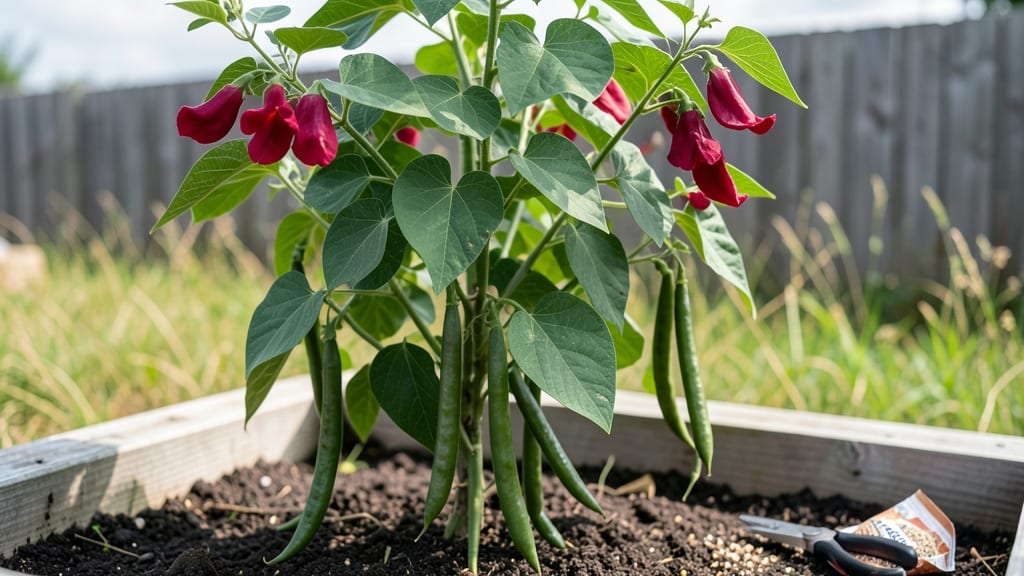
Growing red scarlet runner beans means vibrant red flowers that turn into tender edible pods—all on the same plant. 🌿 I’ve grown these beauties for years, and they never fail to impress with their striking blooms and productive harvests.
The key is starting with healthy seeds, preparing the right soil, and giving them plenty of room to climb.
You’ll need full sun (at least 6-8 hours daily), well-draining soil rich in compost, and a sturdy trellis or fence for support. These beans thrive in warm weather and can handle heat better than many other varieties.
Plant seeds about 1 inch deep and 4-6 inches apart once the soil warms to at least 60°F—no need for cold frames or early starts.
Once established, keep the soil moist but not soggy—watering deeply 1-2 times per week works best. The flowers appear in early summer, followed by pods ready to harvest in 60-70 days.
Snip the pods when they’re young and tender for the best flavor, and let some mature to save seeds for next year.
These beans are hardy, disease-resistant, and perfect for small gardens or containers with proper support. With just a little care, you’ll have a plant that feeds you, beautifies your space, and attracts pollinators all season long. Ready to grow yours?
📚 In This Guide
- What you need
- Instructions
- Tips and common mistakes
- Wrapping up and next steps
What you need
- ● Seeds: 10–20 Phaseolus coccineus (red scarlet runner bean) seeds (organic or heirloom varieties work best).
- ● Growing Medium: Well-draining potting mix (for containers) or loose, fertile garden soil (amend with compost if needed).
- ● Compost or aged manure (1–2 cups per planting hole) for nutrient-rich soil.
- ● Support Structures: Trellis, fence, or sturdy stakes (4–6 feet tall) to guide vining growth.
- ○ Twine or plant ties (optional, for securing vines to supports).
- ● Gardening tools: Trowel or hand shovel.
- ● Pruners (for trimming and harvesting).
- ● Watering can or hose with a gentle spray nozzle (beans need consistent moisture!).
- ● Mulch (straw or shredded leaves) to retain soil moisture and suppress weeds.
- ○ Fertilizer (optional): A balanced 10-10-10 fertilizer or compost tea for a mid-season boost.
- ● Seed-starting kit (if sowing indoors 4–6 weeks before last frost).
- ● Shade cloth (for hot climates to protect young seedlings).
- ● Pest deterrents: Neem oil or insecticidal soap (for aphids or bean beetles).
- ● Row covers (to shield from early pests).
- ● Harvesting basket or scissors (for easy pod collection).
Step-by-Step guide to growing red scarlet runner beans
Here's how I transform my garden into a living tapestry of burgundy blooms and tender pods—with minimal fuss.
🌱 Step 1: Choose the Perfect Spot and Prepare the Soil
Scarlet runner beans thrive in full sun—at least 6-8 hours daily—so pick a south-facing location where they’ll bask in warmth. I always test the soil first: dig a small hole, fill it with water, and wait. If it drains within 10 minutes, your soil is perfect. If not, amend with 2-3 inches of compost to improve drainage and fertility.
These vining beauties need room to sprawl, so space plants 10-12 inches apart in rows 3 feet apart for easy trellising later. I swear by a strong trellis or sturdy fence—they’ll climb 10-15 feet if given the chance! Avoid planting where beans, peas, or lentils grew last year to prevent soil-borne diseases.
🌱 Step 2: Plant Seeds Directly After Last Frost
Scarlet runner beans hate being transplanted, so I plant seeds directly outdoors after your last frost date when soil temps hit at least 60°F. Soak seeds overnight in lukewarm water—this softens the tough outer shell and speeds germination. Plant 1 inch deep, 2-3 seeds per hole, and space holes 4-6 inches apart. I tap the soil gently after planting to ensure good seed-to-soil contact.
Here’s the thing—don’t cover seeds with mulch right away. Let the soil warm up first, or germination will stall. Once sprouts appear (7-14 days), thin to the strongest seedling per hole, snipping the others at the base. You’ll know it’s time when the first true leaves (not the initial seed leaves) unfurl and look deep green.
☀️ Step 3: Train Vines and Provide Support Early
As soon as vines reach 6 inches tall, guide them onto your trellis or fence. I use soft garden twine to loosely tie stems to the support—too tight and you’ll strangle their growth. Scarlet runners grow fast, so check weekly for vines that need redirecting. The goal is to keep them vertical and uncluttered so air circulates freely and prevents fungal issues.
Water deeply 1-2 times per week, aiming for 1 inch of water total. Let the top 2 inches of soil dry between waterings—these beans hate soggy roots. You’ll know you’re nailing it when the soil feels lightly moist but not wet when you poke it with your finger. Mulch around the base with 2-3 inches of straw to retain moisture and keep roots cool.
🌿 Step 4: Fertilize and Prune for Bountiful Blooms and Pods
When flowers first appear (6-8 weeks after planting), feed with a balanced, organic fertilizer (like 5-5-5) to encourage both blooms and pods. I scatter ½ cup around each plant, then water deeply to activate it. Too much nitrogen now, and you’ll get lush foliage but few pods. Scarlet runners are self-pollinating, but a gentle shake of the plant in the morning helps spread pollen and boosts production.
Prune regularly to keep plants productive. Remove yellowing or diseased leaves immediately to prevent spread. When pods start forming, harvest every 2-3 days—this encourages more flowers and pods to develop. I always pick pods when they’re 4-6 inches long and still flat, before they toughen up. The longer you wait, the tougher and stringier they become.
✂️ Step 5: Extend the Season and Prepare for Winter
To keep the harvest going, prune back vines after the first hard frost. Cut them down to 6 inches tall, leaving a few strong stems. In spring, new growth will shoot up from the base, giving you a second crop of flowers and pods. Scarlet runners are perennial in zones 9-11, but in colder climates, treat them as annuals and replant each year.
After the first frost blackens the foliage, pull up the entire plant (unless you’re overwintering in a mild zone). Compost the vines—they’re nutrient-rich! I always mark the spot where they grew, so I know to rotate crops next year. Avoid planting beans in the same spot for 2-3 years to keep soil healthy and disease-free.
Tips & tricks for growing stunning scarlet runner beans
These simple secrets will help you grow the most vibrant, productive scarlet runner bean plants with minimal effort.
Soil Test Matters: The 10-minute drainage test in Step 1 is non-negotiable. If your soil drains slower, add compost gradually—too much at once can create pockets of soggy soil. I've learned the hard way that scarlet runners despise wet feet! For heavy clay soils, mix in perlite or coarse sand to improve aeration. The goal is that perfect balance where water drains freely but roots stay hydrated.
Seed Soaking Hack: When you soak seeds overnight in Step 2, use lukewarm water—not hot. I discovered this after my first batch took 21 days to germinate (instead of the expected 7-14 days). The warm water softens the seed coat just enough to speed up germination without damaging the embryo. After soaking, drain well before planting—soggy seeds can rot in cold soil.
Trellis Timing: Don't wait until vines are sprawling everywhere to set up support in Step 3. As soon as they reach 6 inches, gently guide them onto your trellis. I use soft garden twine in a loose figure-eight pattern to avoid damaging tender stems. Pro tip: Install your trellis before planting—these vines grow fast and can easily climb 10-15 feet if given the chance!
Harvesting Rhythm: The 2-3 day harvest window in Step 4 makes all the difference. I set a reminder on my phone because pods grow quickly once they start forming. When harvesting, always pick from the bottom up—this encourages new growth lower on the plant. For the best flavor, harvest pods when they're 4-6 inches long and still flat. If you wait until they bulge, they'll be tough and stringy.
Pro Tips for Red Scarlet Runner Beans
- These simple secrets will help you grow the most vibrant, productive scarlet runner bean plants with minimal effort.
- Soil Test Matters: The 10-minute drainage test in Step 1 is non-negotiable.
- Seed Soaking Hack: When you soak seeds overnight in Step 2, use lukewarm water—not hot.
Frequently asked questions
Got questions about growing or using red scarlet runner beans? You’re in the right place! Here are answers to the most common queries—from planting to harvesting and everything in between.
When is the best time to plant red scarlet runner beans?
Plant them after the last frost when soil temperatures reach at least 60°F (15°C). They thrive in warm weather, so aim for late spring or early summer. For longer harvests, sow seeds every 2–3 weeks until mid-summer. Pro tip: If your growing season is short, opt for dwarf varieties or start seeds indoors 2–3 weeks before transplanting.
How long does it take for red scarlet runner beans to grow and produce pods?
Expect 60–80 days from planting to first harvest, depending on variety and climate. Vines grow rapidly (up to 10–15 feet!) and may produce flowers within 8–10 weeks. Patience pays off: The more you pick pods, the more the plant will produce. If flowers appear but no pods form, check for pests or poor pollination.
Are red scarlet runner beans edible, and how do I use them?
Yes! Both the pods (young and tender) and seeds (when mature) are edible. Harvest pods when 4–6 inches long for the best texture—cook them like green beans or slice them into salads. Dried seeds can be soaked and used like lima beans. Fun fact: The flowers are also edible and add a pop of color to garnishes!
Why aren’t my red scarlet runner beans producing pods?
No pods? Check these common issues:
- Lack of pollination: Beans are self-pollinating, but bees help. If flowers drop without pods, hand-pollinate with a soft brush.
- Overcrowding: Thin vines to 3–4 inches apart for better airflow and pollination.
- Nutrient deficiency: Yellow leaves? Feed with a balanced fertilizer (10-10-10) or compost.
- Pests: Watch for bean beetles or aphids—spray with neem oil if needed.
Quick fix: Prune excess flowers to redirect energy to pod production.
Can I grow red scarlet runner beans in containers?
Choose a large container (at least 12–18 inches deep) with drainage holes and a trellis for vertical growth. Dwarf varieties (like ‘Scarlet Emperor’) work well in pots. Use a lightweight potting mix and keep soil consistently moist. Just ensure the container gets 6+ hours of sun daily—these beans are sun-worshippers!
Wrapping up and next steps
Growing red scarlet runner beans is a rewarding journey that brings beauty, nutrition, and delicious harvests to your garden! 🌸 Their striking flowers and edible pods make them a standout choice for both ornamental and culinary enthusiasts.
Whether you're a beginner or a seasoned gardener, these versatile plants offer endless possibilities—from fresh salads to vibrant garden displays.
Ready to take the next step? Start by planting your seeds or seedlings and watch your garden transform into a colorful, productive haven. Happy growing! 🌱