
Vegetables
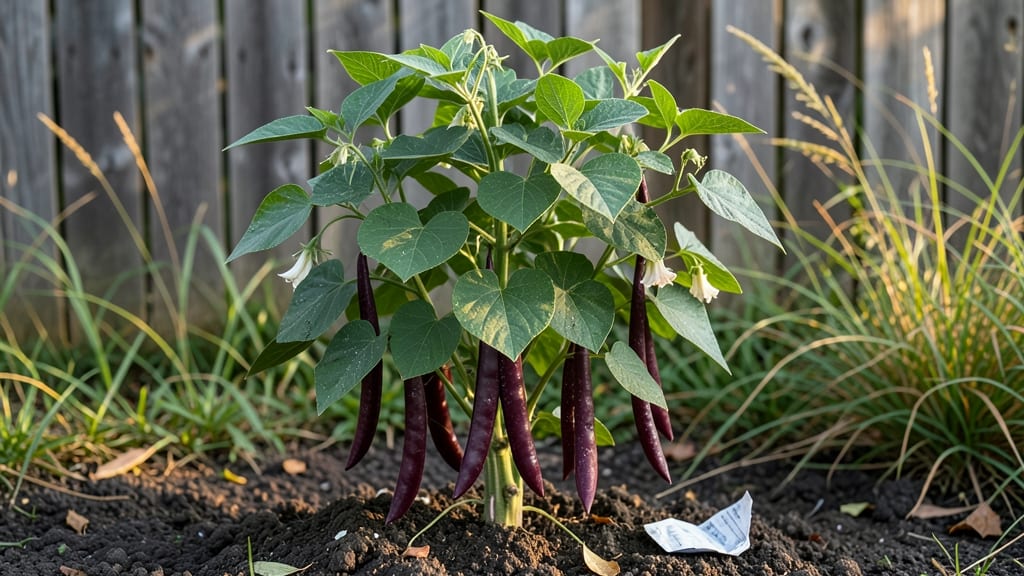
Growing Royal Burgundy green beans means deep purple pods that turn emerald when cooked—like magic from your garden. 🌱 I planted mine last spring and was stunned when the first pods appeared in just 55 days, packed with flavor that outshines store-bought varieties.
The secret? Fast germination, rich soil, and consistent care that rewards you with a harvest you’ll brag about at picnics.
These heirloom beans thrive in full sun (6+ hours daily) and well-draining soil with a pH between 6.0–7.0. Start seeds indoors 4–6 weeks before last frost or sow directly after soil warms to 60°F, spacing them 4–6 inches apart in rows 18–24 inches apart.
A trellis saves space and keeps pods clean—just tie stems gently with twine as they climb.
Water 1 inch per week, keeping soil moist but never soggy, and watch for bean beetles or Japanese beetles—handpick early pests or use row covers. Harvest pods when 4–6 inches long for peak tenderness, and pinch off flowers to encourage more production.
The flavor? Rich, buttery, and unlike anything from a grocery store—worth every minute of care.
Pair these beans with marigolds to deter pests or radishes to improve soil structure. If you love heirlooms, save seeds from your healthiest pods for next year’s garden. With this variety, you’re not just growing beans—you’re cultivating a showstopper harvest that’ll have neighbors asking for cuttings.
📚 In This Guide
- What you need
- Instructions
- Tips and common mistakes
- Wrapping up and next steps
What you need
- ● Royal Burgundy Green Bean Seeds: 1 packet (contains ~20-30 seeds). Look for Phaseolus vulgaris varieties labeled "Royal Burgundy" or "Burgundy Bean."
- ● Growing Containers or Garden Bed: Containers: 5-gallon pots or fabric grow bags (at least 12 inches deep) for each plant. Minimum 3 plants per container if growing in groups.
- ● Garden Bed: A sunny spot (6+ hours of sunlight) with well-draining soil. Space rows 18-24 inches apart.
- ● Potting Soil: 1 bag of high-quality, well-draining seed-starting mix or vegetable garden soil (avoid compost-heavy mixes for young seedlings).
- ● Compost or Fertilizer: 1 cup of balanced organic fertilizer (5-5-5 or 10-10-10 NPK ratio) or compost per plant at planting time.
- ● Watering Can or Hose: With a gentle spray nozzle for even moisture.
- ○ Trellis or Stakes: 4-6 foot tall bamboo stakes or a garden trellis to support climbing plants (optional but recommended for easier harvesting).
- ● Garden Gloves: To protect your hands while handling soil or plants.
- ● Plant Labels: Wooden or metal tags to mark your royal burgundy beans (especially useful if growing multiple varieties).
- ● Pruners or Scissors: For trimming excess foliage or harvesting.
- ● Mulch: Straw or shredded leaves to retain soil moisture and suppress weeds.
- ● pH Test Kit: To ensure soil pH is between 6.0-7.0 (ideal for beans).
Step-by-step instructions for growing royal Burgundy green beans
Here's the method I rely on for growing these striking purple beans—tested in both garden beds and containers.
🌱 Step 1: Prepare Soil and Plant Seeds Directly
Royal Burgundy beans thrive when planted directly in the garden, so skip the indoor starting. Work the soil to a depth of 12 inches, removing any rocks or debris that could hinder root growth. These beans prefer well-draining soil with a pH between 6.0 and 7.0—amend with compost if your soil is heavy clay or sandy.
Plant seeds 1 inch deep and 3-4 inches apart in rows spaced 18-24 inches apart. I like to use a small hand trowel to make individual holes, then drop in 2-3 seeds per spot—this ensures a strong plant even if one or two fail to germinate. Water gently after planting to settle the soil around the seeds.
💧 Step 2: Water and Maintain Moisture
Keep the soil consistently moist but never soggy during germination, which takes 7-14 days depending on your climate. You'll know moisture is right when the soil surface looks slightly damp but not glistening. Once seedlings emerge, water at the base of plants to avoid wetting the leaves—this prevents fungal diseases like rust that can discolor the striking purple pods.
Royal Burgundy beans need 1-1.5 inches of water per week, either from rainfall or irrigation. I use drip irrigation to deliver water slowly at the soil level, which keeps the foliage dry and reduces disease risk. Mulch around plants with 2-3 inches of straw or grass clippings to retain moisture and suppress weeds.
☀️ Step 3: Provide Support and Sunlight
These beans grow best in full sun—6-8 hours of direct sunlight daily. If your garden receives less, choose a sunnier spot or use a reflective surface like white plastic mulch to maximize light exposure. As plants grow, they'll need support—install 5-6 foot tall trellises or stakes near the rows and gently weave the vines through as they climb.
You'll notice the beans start to climb when they reach 6-8 inches tall. Here's the thing—don't let them sprawl. Guide the vines upward immediately to prevent tangling and improve air circulation. This also makes harvesting easier and keeps the pods from touching the damp soil, which can cause rot.
✂️ Step 4: Harvest at Peak Maturity
Royal Burgundy beans are ready to harvest when pods reach 4-6 inches long and turn a deep, rich purple. Use pruning shears or your fingers to gently snap the pods at the stem—harvesting too late turns the beans tough and stringy. I pick every 2-3 days during peak production to encourage more flowering and pod set.
Here's where it gets fun—the pods lose their purple hue and turn green when cooked, revealing a rich, buttery flavor. Harvest in the morning when pods are crispest and most flavorful. Store unwashed pods in the fridge for up to 5 days or blanch and freeze for long-term storage.
🌿 Step 5: Maintain Through the Season
Fertilize lightly every 3-4 weeks with a balanced organic fertilizer (10-10-10) to support continuous growth. Avoid high-nitrogen fertilizers—they promote leafy growth at the expense of pods. Watch for pests like bean beetles or aphids, and treat with neem oil if needed.
You'll know it's time to stop harvesting when pods start to yellow and dry on the vine. At this point, pull the plants, compost the remaining foliage, and mark the spot for next year's crop. These beans are prolific, and with proper care, you'll get a 55-day harvest of stunning, flavorful pods.
Tips & tricks for growing stunning royal Burgundy beans
Took me years of trial-and-error to perfect these purple beauties—here's what actually makes the difference.
Soil Science: Test your soil pH before planting. Royal Burgundy beans thrive in that 6.0-7.0 range, but most garden soils sit closer to 6.5. If yours is off, add lime to raise pH or sulfur to lower it. I've seen dramatic differences in germination rates when soil pH is properly balanced—don't skip this step! The 12-inch deep preparation also prevents root competition with weeds that could steal nutrients.
Germination Guard: The 7-14 day germination window can be tricky—especially in cooler climates. I've found that soaking seeds overnight in warm water before planting cuts that time by half. Just wrap seeds in a damp paper towel and keep them in a warm spot for 12 hours before planting. The seeds will sprout faster, giving you a head start on the growing season.
Sunlight Strategy: Those 6-8 hours of direct sunlight are non-negotiable, but here's the secret: use reflective mulch if your garden gets less light. White plastic mulch reflects up to 30% more light than bare soil, effectively giving your plants extra sunlight. I've used this trick in partial-shade gardens and still gotten vibrant purple pods. Position the mulch on the north side of plants to maximize reflection.
Harvest Hack: The 4-6 inch pod size window is tight—harvest too early and you lose flavor, too late and they get tough. I mark my calendar for 2-3 days between harvests during peak season. Pro tip: Harvest in the morning when pods are firmest and their purple color is most intense. The flavor compounds peak at this time, giving you that signature buttery taste when cooked.
Pro Tips for Royal Burgundy Green Beans
- Took me years of trial-and-error to perfect these purple beauties—here's what actually makes the difference.
- Soil Science: Test your soil pH before planting.
- Germination Guard: The 7-14 day germination window can be tricky—especially in cooler climates.
Frequently asked questions
Got questions about growing Royal Burgundy green beans?
You’re not alone! Here are some of the most common queries—plus quick, practical answers to help you nail this vibrant harvest.
How do Royal Burgundy beans differ from regular green beans?
Royal Burgundy beans are a heirloom variety with deep purple pods that turn bright green when cooked. Unlike standard green beans, they’re packed with antioxidants (thanks to their anthocyanins) and offer a slightly sweeter, earthier flavor. Plus, their striking color makes them a showstopper in dishes!
When is the best time to plant Royal Burgundy beans?
These beans thrive in cool to warm weather (55–85°F). Start seeds 2–3 weeks after your last frost for spring plantings, or sow again in late summer for a fall crop. Avoid planting when night temps dip below 50°F—they’re sensitive to frost!
Can I eat Royal Burgundy beans raw, or do they need to be cooked?
While they’re edible raw (with a crunchy, slightly bitter bite), they’re best cooked to soften their texture and unlock their natural sweetness. Blanch, sauté, or roast them to preserve their vibrant color. Pro tip: Don’t overcook—they should stay tender-crisp!
What’s the trick to keeping Royal Burgundy beans from turning yellow or spotty?
Yellowing or spots often signal overwatering, poor drainage, or fungal issues. Ensure soil stays moist but not soggy (1–1.5 inches of water weekly). Space plants 4–6 inches apart for airflow, and avoid wetting foliage when watering. If spots appear, treat with neem oil or copper fungicide.
Are there good alternatives if Royal Burgundy beans don’t grow well in my climate?
If your zone is too hot or humid, try these similar heirlooms:
- Dragon Tongue beans: Striped purple-green pods, heat-tolerant.
- Blue Lake Bush beans: Classic green beans with reliable yields.
- Scarlet Runner beans: Ornamental + edible, great for trellises.
Wrapping up and next steps
Growing royal burgundy green beans is a rewarding journey that brings bold flavor and vibrant color to your garden—and your plate! With just 55 days from seed, you’ll enjoy a quick harvest packed with nutrients and visual appeal.
Whether you’re a seasoned gardener or a curious beginner, these beans are a fantastic choice for adding drama and taste to your meals.
Ready to dive in? Start by gathering your supplies and planting those seeds—your future harvest is just weeks away! 🌱✨ Check out the full guide to kickstart your garden adventure today.