
Vegetables
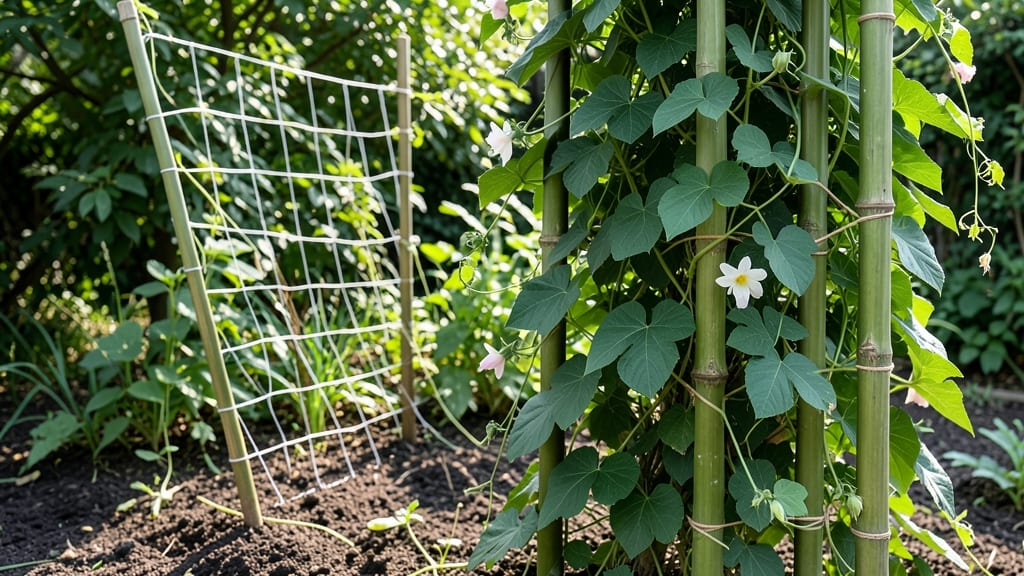
Runner beans and pole beans might look alike, but their trellis needs change everything. 🌱 I've grown both for years, and the difference in height, yield, and space efficiency is night and day—especially when you're working with limited garden real estate.
Runner beans climb 6-10 feet with slender vines, while pole beans hit 10-15 feet and produce 30-50% more pods per plant. The tradeoff? Pole beans need stronger trellises and more vertical space, but the harvest makes it worth it.
My 8-foot bamboo teepees work for runners, but pole beans demand 12-foot stakes or sturdy wire frames. You'll end up with longer harvest seasons from pole beans because they keep producing until frost, while runners often taper off by midsummer.
Plus, the vertical growth keeps foliage off the ground, reducing slug damage and disease risk. For small gardens, runners save space. For maximum yield, pole beans win—just be ready to invest in taller supports. Here's how to set them up right.
The first product explained
🌱 Meet the Champion of Compact Gardens: Contender Seeds 'Contender Bush Bean'
If you're dreaming of a lush, high-yield bean harvest but don’t have the space (or the patience) for towering trellises, the Contender Seeds 'Contender Bush Bean' is your perfect match.
This runner bean variety is a bush-type powerhouse, designed to thrive without climbing—making it ideal for small gardens, containers, or even urban balconies.
📏 Specs & Features
Dive into the details that make this bean a standout:
- Variety: Bush-type runner bean (no trellis needed!)
- Height: Compact, reaching only 2–3 feet tall (perfect for tight spaces).
- Days to Maturity: 50–60 days—fast enough to enjoy fresh beans in a single season.
- Yield: High producer with 10–15 pods per plant (and up to 30+ if well-cared-for!).
- Color: Classic deep burgundy with creamy white stripes—visually stunning and delicious.
- Flavor: Sweet, buttery, and less stringy than traditional pole beans.
- Disease Resistance: Tolerates rust and mosaic virus better than many runner bean varieties.
- Organic-Friendly: Non-GMO, heirloom seeds—great for sustainable gardening.
🎯 Who’s It For?
This bean is a versatile superstar for:
- 🏡 Small-space gardeners (containers, raised beds, or balconies).
- 👩🌾 Beginner gardeners—no trellis setup required!
- 🍽️ Home cooks who love fresh, flavorful beans for salads, stir-fries, or freezer stashing.
- 🌿 Organic growers seeking heirloom, non-hybrid seeds.
- 🐝 Pollinator-friendly gardens (beans attract bees and beneficial insects!).
💰 Price Point & Where to Buy
Ready to grow? Here’s the scoop on cost and availability:
| Package Size | Price (Approx.) | Where to Find It |
|---|---|---|
| 50 seeds | $3.50–$5.00 | Contender Seeds, Baker Creek Heirloom Seeds, or local nurseries |
| 100 seeds (bulk) | $6.00–$8.00 | Etsy (sellers like "Heirloom Seeds Co.") |
| Seed packets (varied quantities) | $2.00–$4.00 each | Amazon, Burpee, or seed swaps |
Pro Tip: 💡 Check for seed sales in early spring—many retailers offer discounts before planting season kicks off!
The second product explained
Meet the pole beans—the vertical superstars of the bean world! 🌱💪 These climbing champions are a favorite among gardeners who love efficiency and high yields in tight spaces. Let’s dive into what makes pole beans a must-have for your trellis or fence.
🌿 Specs & Features
Pole beans are the long, lean, and green machines of the garden. Here’s what sets them apart:
- Height: These beans can seriously climb—expect 6 to 10 feet (or even taller with the right support!). Perfect for tall trellises, fences, or sturdy stakes.
- Growth Habit: Unlike their bushy cousins, pole beans twine and cling to their supports, saving garden real estate while producing more beans per plant.
- Days to Maturity: Typically 50 to 60 days from seed to harvest, depending on the variety.
- Yield: A single pole bean plant can produce 2 to 4 pounds of beans—that’s a serious payoff for minimal space!
- Flavor & Texture: Crisp, tender, and slightly sweet when harvested young. Older beans get tougher and stringier, so timing is key!
🎯 Target Users
Pole beans are ideal for:
- Urban gardeners with limited space but big dreams.
- Gardeners who love vertical gardening and maximizing yield.
- Those who prefer less weeding (fewer plants = fewer weeds!).
- Home cooks who crave fresh, homegrown beans for soups, salads, or stir-fries.
$💰 Price Point & Accessibility
Pole beans are budget-friendly and widely available:
- Seeds: Costs range from $2 to $5 per packet, depending on the variety and brand. Organic or heirloom seeds may be pricier but offer unique flavors.
- Young Plants: If you’re short on time, starter plants can be found for $3 to $7 each at nurseries or garden centers.
- Support Structures: Don’t forget to budget for a trellis, fence, or stakes (typically $10–$50, depending on size and material).
With their space-saving magic and high productivity, pole beans are a no-brainer for anyone looking to grow more with less. Ready to let them take over your vertical space? 🚀
Head-to-head comparison
Ready to dive into the ultimate showdown? Let’s pit runner beans against pole beans in a head-to-head comparison across the key factors that matter most to gardeners.
Whether you’re eyeing that vertical garden dream or just want to maximize your harvest, this breakdown will help you decide which bean reigns supreme for your space and goals. 🌱🏆
🌿 Growth Habits & Trellis Height
If trellis height is your top priority, this is where the real drama unfolds! Runner beans and pole beans are both climbers, but their growth styles couldn’t be more different.
| Feature | Runner Beans | Pole Beans |
|---|---|---|
| Max Height | 10–20 feet (with proper support!) | 6–12 feet (typically shorter) |
| Climbing Style | Twine-like tendrils that wrap around supports (like a vine) | Tendrils that hook into trellises or strings (more aggressive climbers) |
| Trellis Requirements | Needs strong, tall structures (e.g., tepees, A-frames, or sturdy poles). Can handle wind better. | Works well with simpler setups (e.g., bamboo poles, netting, or even fences). More compact but still vigorous. |
| Space Efficiency | Ideal for small gardens or urban spaces—maximizes vertical growth in tight areas. | Great for larger gardens or sprawling trellises where height isn’t the limiting factor. |
Winner? If you’re chasing skyscraper yields, runner beans take the crown. But pole beans are the underdogs with serious staying power in shorter setups.
🌱 Yield & Productivity
More pods = more meals, right? Let’s talk numbers—and flavor!
| Metric | Runner Beans | Pole Beans |
|---|---|---|
| Pods per Plant | 30–50+ pods (longer harvest window) | 20–40 pods (harvest peaks earlier) |
| Harvest Duration | Extended—can produce for 2–3 months with consistent care. | Shorter but intense—harvest peaks at 6–8 weeks, then tapers. |
| Flavor Profile | Milder, buttery taste; thinner pods (great for soups or fresh eating). | Slightly nuttier, firmer texture; thicker pods (ideal for shelling or canning). |
| Disease Resistance | Moderately resistant to common bean diseases (e.g., rust, mosaic virus). | More susceptible to fungal issues if overcrowded or humid. |
Winner? Runner beans win for volume and longevity, while pole beans deliver bold flavor and quick rewards. Pick based on your patience (or impatience!) level.
💰 Cost & Accessibility
Your wallet will thank you for this one. Let’s break down the real-world costs of growing these beans.
- Seeds:
- Runner beans: $2–$5 per packet (heirloom varieties can cost more).
- Pole beans: $1–$4 per packet (often cheaper and more widely available).
- Trellis Setup:
- Runner beans: May require heavier-duty trellises (e.g., metal frames or reinforced wood), adding $10–$30 to startup costs.
- Pole beans: Budget-friendly—bamboo stakes or netting can work for $5–$15.
- Maintenance:
- Runner beans: Low-maintenance once established (just prune occasionally).
- Pole beans: May need more frequent pruning to encourage bushier growth.
Winner? Pole beans are the affordable champion, especially for beginners. Runner beans cost more upfront but pay off with long-term vertical gains.
🌡️ Climate & Growing Conditions
Not all beans thrive in the same weather. Here’s where each type holds up (or struggles).
| Factor | Runner Beans | Pole Beans |
|---|---|---|
| Temperature Range | Prefers cool to moderate climates (60–75°F). Can bolt in extreme heat. | Thrives in warmer climates (70–90°F). More heat-tolerant overall. |
| Sunlight Needs | Full sun (6–8 hours/day). Tolerates partial shade but yields less. | Full sun required. Struggles in low-light conditions. |
| Soil Preferences | Adaptable but prefers well-draining, slightly acidic soil (pH 6.0–7.0). | Thrives in loamy, fertile soil (pH 6.0–7.5). Needs consistent moisture. |
| Drought Tolerance | Moderate—dries out faster in heatwaves. | Better—holds up in dry spells once established. |
Winner? Pole beans are the tropical tough guys, while runner beans shine in cooler, temperate zones. Check your local climate before committing!
🔧 Ease of Growing
New to gardening? Some beans are friendlier than others. Here’s the scoop on hassle vs
Which one should you choose?
So, which bean reigns supreme in your garden? The answer depends on your space, goals, and gardening style! Here’s our final verdict to help you decide:
🏆 Pick Runner Beans If...
- You want bold flavor: Their meatier pods and richer taste make them a gourmet favorite! 🍽️
- You’re short on space: Runner beans thrive on shorter trellises (6–10 ft) and can even climb fences or arches.
- You love variety: They produce both edible pods and protein-rich seeds (dried beans).
- You’re a beginner: Their hardy nature and tolerance for cooler temps make them forgiving.
🌱 Pick Pole Beans If...
- You have tall support: With their 10–15 ft reach, they’re perfect for fences, teepees, or sturdy poles. 🌿
- You prioritize yield: They produce more pods per plant and are ideal for bulk harvesting.
- You love convenience: Their vertical growth keeps them off the ground, reducing pests and weeds.
- You’re in a hot climate: They thrive in heat and can extend your growing season.
💡 Pro Tip for Hybrid Gardeners
Why not both? Plant runner beans along a shorter trellis (like a 6-ft fence) and pole beans on a taller structure (like a 12-ft pole). This way, you get flavor + volume in one garden! Plus, their complementary growth habits can maximize space efficiency. 🌱✨
Still unsure? Ask yourself: Do I need a quick harvest (pole beans) or a flavor-packed reward (runner beans)? Or do I just want the most beans possible? Now go forth and climb—your garden (and taste buds) will thank you! 🚀