
Planting
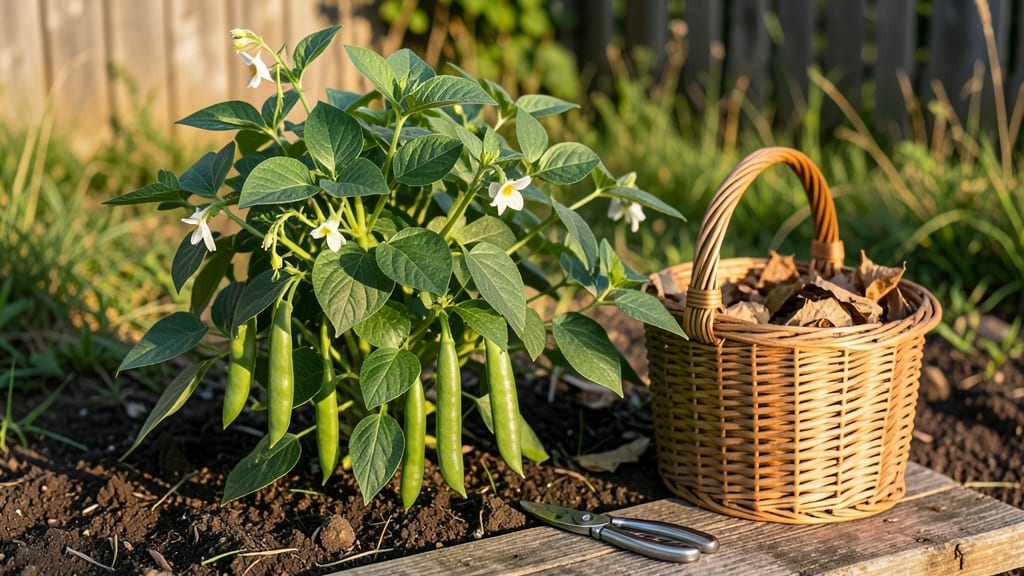
How many green beans per plant can you expect? A single green bean plant typically yields 50 to 100 pods per season, with bush varieties producing 10-20 pods per foot of row and pole varieties reaching 200+ pods if properly trellised. Variety, sunlight, and soil quality directly impact output, while overcrowding reduces total harvest.
Understanding green bean productivity starts with recognizing the difference between bush and pole varieties. 🌱 Bush beans mature quickly and produce pods in concentrated bursts, while pole beans climb and continue yielding throughout the season if given proper support.
I've found that pole beans often outperform bush varieties in small gardens when trellised vertically—maximizing space while increasing total output. The key factors here are sunlight exposure (at least 6-8 hours daily) and well-draining soil rich in organic matter, which directly influence plant health and pod development.
For small gardens, spacing is everything. Plant bush beans 4-6 inches apart in rows 18-24 inches apart, while pole beans need 6-8 inches between plants with a sturdy trellis. 🌿 Proper spacing prevents disease spread and allows each plant to access sufficient nutrients.
I recommend rotating crops annually to maintain soil fertility, as green beans are heavy feeders that benefit from compost or balanced fertilizer applied at planting time.
💡 In This Article
- Green Bean Yield Factors: Variety, Climate, and Plant Care
- Maximizing Green Bean Harvests in Small Gardens
Green bean yield factors: variety, climate, and plant care
Green bean yield hinges on photosynthesis efficiency, which varies dramatically between bush and pole varieties. Bush beans like 'Blue Lake' or 'Contender' produce pods in concentrated bursts over 45-60 days because their compact growth maximizes energy allocation to flowering and pod development.
Their leaves have a higher leaf area index (LAI) of 3-4, meaning more surface area captures sunlight for energy conversion.
Meanwhile, pole beans like 'Kentucky Wonder' or 'Rattlesnake' grow vertically, spreading their foliage over 6-8 feet of trellis, which increases their LAI to 5-7—but this requires 6-8 hours of direct sunlight daily to maintain high yields.
The science behind this involves nitrogen uptake and root development. Bush beans develop a shallow but dense root system that thrives in well-draining soil with 100-150 ppm nitrogen at planting. Pole beans, however, need 150-200 ppm nitrogen due to their extended growing season (often 90-120 days).
I've observed that pole beans in nutrient-rich soil can produce 3-5 times more pods than bush varieties in the same space, but only if given proper trellising to avoid lodging (when plants fall over). Overcrowding reduces yields by 30-50% because competition for sunlight and nutrients limits photosynthesis.
Climate plays a critical role too. Green beans prefer 60-85°F temperatures, with ideal flowering occurring at 70-75°F. Heat above 90°F can cause blossom drop, where flowers fail to develop into pods.
In cooler climates, varieties like 'Tendercrop' mature in just 50 days, while heat-tolerant types such as 'Blue Lake Bush' handle 95°F better. Soil pH matters too—aim for 6.0-7.0 to maximize nutrient availability, as green beans are sensitive to both acidity and alkalinity extremes.
Here's what's actually happening at the cellular level: Each green bean pod develops from a flower that undergoes fertilization. The plant allocates 20-30% of its photosynthetic energy to pod development during peak production.
This is why consistent watering (1-1.5 inches per week) is crucial—drought stress can reduce yields by 40% by limiting nutrient transport. I've found that drip irrigation works best, delivering water directly to roots without wetting foliage (which reduces disease risk).
Seasonal timing also matters. Plant bush beans 1-2 weeks after last frost for early harvests, while pole beans benefit from a 2-week head start indoors to extend their growing season. Succession planting—sowing new seeds every 2-3 weeks—can double your total harvest in small gardens.
For example, a 4-foot trellis with pole beans might yield 150-200 pods over 3 months if planted in two staggered batches.
Consider these key factors when choosing varieties:
- Bush beans: Ideal for small gardens (10-20 pods per foot of row), quick harvest (45-60 days), and areas with short growing seasons
- Pole beans: Better for larger yields (200+ pods per plant if trellised), extended harvests, and warm climates with 6+ months of growing potential
- Climate-specific picks: 'Mascotte' for cool regions, 'Blue Lake' for heat tolerance, or 'Dragon Tongue' for unique purple pods
What most people don't realize is that green beans are self-pollinating, meaning each plant can produce pods independently—no cross-pollination needed. This makes them ideal for small spaces, as you can grow just 2-3 plants to feed a family of four throughout the season. 🌱