
Vegetables
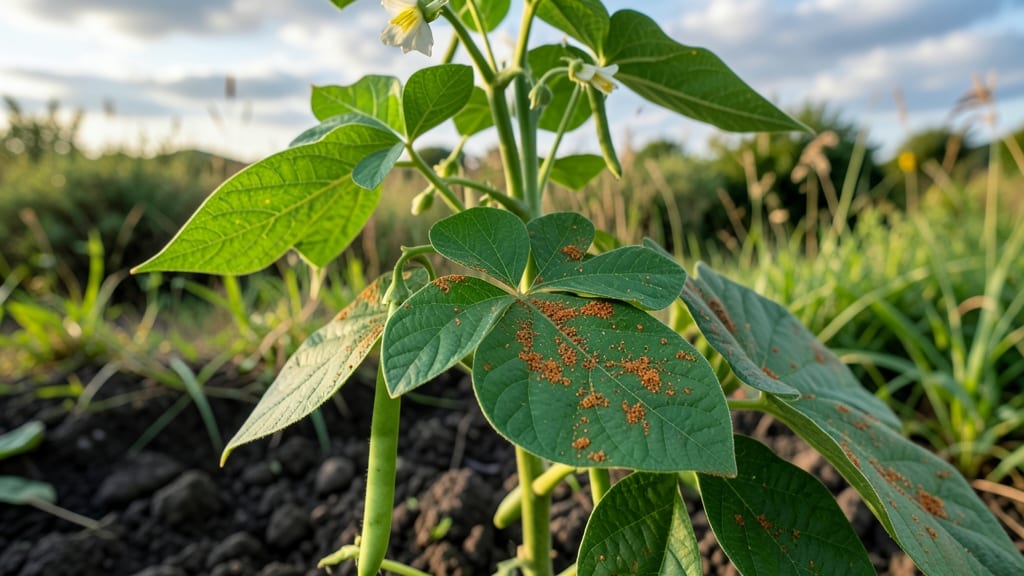
Orange pustules on your green bean leaves mean rust fungus has arrived—and it’s spreading fast. 🌱 This stubborn disease weakens plants, slashes yields, and can ruin your harvest if ignored.
The good news? Copper spray is your most effective organic weapon against it, and I’ll walk you through exactly how to use it before the problem gets worse.
Rust thrives in warm, humid conditions, where spores splash from leaf to leaf during watering or rain. You’ll spot the classic rust-colored spots first on undersides of leaves, then yellowing and leaf drop as the fungus feeds.
The damage starts small but spreads aggressively—often too late for chemical fixes to save the season. That’s why prevention (proper spacing, fungicide sprays) and early action are critical.
With copper spray, you can stop rust in its tracks within 7-10 days of application, even on heavily infected plants. The key is timing: apply when you first see symptoms, then repeat every 10-14 days or after heavy rain.
I’ve saved entire rows using this method—here’s how to get the same results without losing your beans.
We’ll cover organic solutions first (copper spray, neem oil), then when chemical treatments make sense, plus long-term prevention that keeps rust from returning next season. No more helplessly watching your harvest fade—this works.
Root Causes of Rust on Green Beans
If you’ve ever spotted those unsightly orange-brown spots on your green beans, you’re not alone. Rust is a common fungal disease that can turn your harvest into a disappointment—unless you understand why it strikes.
Here’s a breakdown of the key factors behind this pesky problem, so you can tackle it head-on.
The primary culprit behind rust on green beans is the fungus Puccinia spp., which thrives in outdoor environments. These spores are lightweight and can travel via wind, water, or even garden tools, landing on your plants and infecting them.
How it works:
- Spores germinate when they land on green bean leaves or stems, especially in warm, humid conditions (60–80°F).
- They penetrate the plant’s surface, forming tiny pustules that eventually burst, releasing more spores to spread.
- Old crop debris (like fallen leaves or infected plant parts) can harbor spores year-round, waiting for the right conditions to re-infect.
Actionable tip: 💡 Rotate crops—avoid planting green beans (or other legumes) in the same spot where rust has appeared before. This disrupts the fungus’s life cycle and reduces spore buildup.
Rust loves humidity. When green beans are grown in damp, shaded, or overcrowded conditions, the fungus gets the perfect breeding ground. Here’s why moisture matters:
The science behind it:
- High humidity (70%+) or frequent rain keeps spores moist, allowing them to germinate faster.
- Poor airflow (from dense planting or tall weeds) traps moisture on leaves, creating ideal conditions for fungal growth.
- Overhead watering (especially in the evening) can splash spores onto leaves, accelerating infection.
Actionable tip: 🌡️ Space plants 4–6 inches apart and prune nearby foliage to improve airflow. Water at the base (not the leaves) and avoid late-day irrigation to let plants dry quickly.
Rust isn’t just about moisture—temperature plays a huge role. The fungus loves moderate warmth, making spring and fall prime infection seasons.
Temperature triggers:
Temperature Range
Rust Activity
Below 50°F (10°C)
Spores remain dormant; minimal risk.
50–60°F (10–15°C)
Slow spore germination; mild outbreaks possible.
60–80°F (15–27°C)
Peak infection zone—spores thrive and spread rapidly.
Above 85°F (30°C)
Fungal growth slows; spores may die off.
Actionable tip: ✨ Monitor weather forecasts and use row covers or shade cloth in early spring/fall to keep temperatures outside the fungus’s sweet spot. If possible, plant heat-tolerant varieties like ‘Contender’ or ‘Blue Lake.’
Stressed or nutrient-deficient green beans are more susceptible to rust. When plants don’t get what they need, their defenses drop—leaving them vulnerable to fungal attacks.
Common stressors:
- Nutrient deficiencies (especially magnesium, calcium, or nitrogen) weaken cell walls, making it easier for spores to penetrate.
- Over-fertilization with nitrogen can lead to soft, lush growth that’s more prone to fungal diseases.
- Drought or flooding shocks the plant’s immune system, leaving it open to infections.
- Pests (like aphids or spider mites) can damage leaves, creating entry points for rust spores.
Actionable tip: 💪 Boost plant health with a balanced fertilizer (10-10-10) and mulch to retain moisture without over-saturating soil. Regularly scout for pests and treat them early with neem oil or insecticidal soap.
Quick Fixes for Rusty Green Beans
Rust on green beans isn’t just unsightly—it can spread quickly if left unchecked. The good news? With the right approach, you can reverse the damage and prevent future outbreaks.
Below, we break down cause-specific fixes, from organic remedies to copper-based solutions, plus prevention tips to keep your harvest healthy.
Problem: Rust spores (from Puccinia fungi) thrive in humid, warm conditions and latch onto leaves, stems, and pods.
Solution:
- 🔥 Remove Infected Plants Immediately
- Snip off rusty leaves or pods with clean pruners (don’t compost them—dispose in a sealed bag).
- If the plant is severely infected, pull it entirely to stop spore spread.
- 🌿 Apply a Copper Fungicide Spray (Best for Organic Growers)
- Mix 1 tsp copper sulfate per quart of water (or use a pre-made copper fungicide like Bordeaux mixture).
- Spray early morning or late evening (avoid direct sun to prevent leaf burn).
- Reapply every 7–10 days or after rain.
- 💧 Improve Air Circulation
- Prune nearby foliage blocking airflow around bean plants.
- Space plants 6–12 inches apart (if replanting).
- Water at the base (not overhead) to keep leaves dry.
- 🌡️ Adjust Growing Conditions
- Reduce humidity with a fan on low in greenhouses.
- Harvest frequently to prevent overcrowding (rust spreads faster in dense plants).
Problem: Soggy soil and waterlogged roots create the perfect breeding ground for rust fungi.
Solution:
- ⏰ Adjust Your Watering Schedule
- Water only when the top 1–2 inches of soil are dry (stick your finger in to check).
- Morning watering is best—leaves dry overnight, reducing fungal growth.
- 🏗️ Improve Soil Drainage
- Mix in compost or perlite to sandy or clay-heavy soil.
- Raise beds if your garden has poor drainage.
- Avoid planting in low-lying areas where water pools.
- 🌱 Choose the Right Varieties
- Opt for rust-resistant bean varieties like:
- Blue Lake Bush Beans
- Roma II Beans
- Contender Beans
- Opt for rust-resistant bean varieties like:
Problem: Reused tools or old garden soil can harbor rust spores from previous seasons.
Solution:
- 🧼 Sterilize Garden Tools
- Wipe pruners, hoes, and trowels with rubbing alcohol (70%+) or a 10% bleach solution before and after use.
- 🌱 Rotate Planting Locations
- Don’t replant beans in the same spot for at least 3 years (crop rotation breaks the rust cycle).
- If space is limited, solarize the soil (cover with clear plastic for 4–6 weeks in summer to kill fungi).
- 💡 Use a Preventative Soil Drench
- Mix 1 tbsp baking soda + 1 quart water and pour around the base of plants once a month.
- Neem oil spray (1 tsp neem oil + 1 quart water + drop of dish soap) can also suppress fungal spores.
- 🌿 Start with Healthy Seeds
- Buy certified disease-free seeds or soak seeds in hydrogen peroxide (3%) for 10 minutes before planting.
- 🍃 Monitor Regularly
- Inspect plants weekly—catch rust early (small yellow-orange spots) before it spreads.
- 🌞 Maximize Sunlight
- Rust thrives in shady, damp conditions. Ensure beans get 6+ hours of sunlight daily.
- 🍎 Interplant with Rust-Repelling Crops
- Marigolds, garlic, or onions near beans can deter fungal spores naturally.
- 🧹 Clean Up Debris
- Remove all plant debris at season’s end (rust spores survive in dead leaves).
For extra protection, combine copper spray with baking soda:
- 1 tsp copper sulfate
- 1 tbsp baking soda
- 1 quart water
- Spray every 2 weeks—this doubles rust prevention by altering the pH of leaves (fungi hate it!).
By tackling rust at the source—whether it’s fungal spores, overwatering, or dirty tools—you’ll save your green beans and enjoy a healthy, bountiful harvest. 🚜🌱
Frequently asked questions about green bean rust
What do rust spots on green beans actually look like?
Rust on green beans starts as tiny, bright orange-yellow pustules on the undersides of leaves. As it spreads, these spots turn brown and may look like dusty powder. You’ll also notice yellowing leaves and leaf drop as the fungus weakens the plant. Check both leaf surfaces and stems—rust can appear anywhere!
Can I still eat green beans with rust?
Yes, but only the pods if they’re free of visible rust. The fungus only affects leaves and stems, not the edible beans themselves. Remove all infected foliage immediately to prevent spread, but harvest and eat the pods as usual—they’re safe to consume!
How often should I spray copper fungicide for rust?
Apply copper spray every 7-10 days during active rust season (spring/fall), or after heavy rain. For prevention, 2-3 applications spaced 2 weeks apart at planting works well. Always spray in the early morning or evening to avoid leaf burn from sunlight.
Will rust on green beans kill my plants?
Not necessarily! While severe rust can weaken plants and reduce yields, it rarely kills green beans outright. The real danger is secondary infections from weakened plants. Remove infected parts immediately, improve airflow, and apply copper spray to keep your beans healthy and productive.
Can I use household items to treat rust?
Yes! Mix 1 tbsp baking soda + 1 quart water + a drop of dish soap for a mild fungicide. Spray this on leaves every 2 weeks as a preventative. For existing rust, combine with copper sulfate (1 tsp per quart) for better results. This DIY solution works best when used alongside proper spacing and watering practices.