
Plants
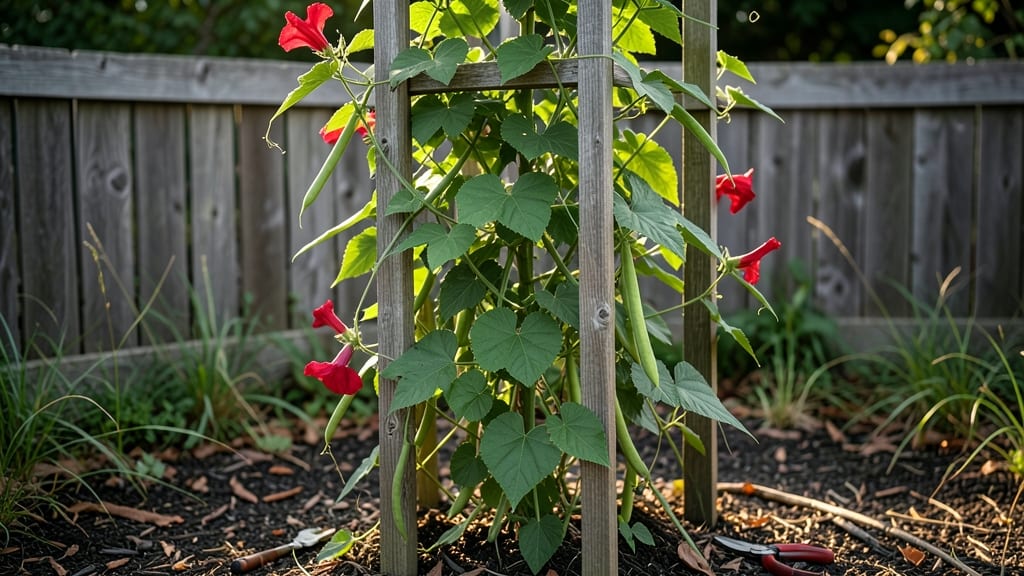
Growing a scarlet bean vine is like inviting a living waterfall into your garden—its vibrant red blooms climb faster than you can say "summer harvest." 🌿 This fast-growing perennial isn’t just a showstopper; its edible flowers add a pop of color to salads and dishes, while the beans themselves are a tasty bonus.
I’ve watched mine shoot up 10 feet in a single season, transforming bare trellises into lush, flowering cascades.
The secret to its speed lies in the right conditions: full sun, well-draining soil, and a sturdy trellis or fence to support its vigorous growth. Unlike annual beans, this perennial comes back year after year, rewarding patience with bold blooms from early summer until frost.
Just give it consistent moisture (but not soggy soil) and a light feeding of compost every few weeks, and it’ll thrive with minimal fuss.
By midsummer, you’ll be harvesting bright red flowers for garnishes and tender beans for stir-fries—all while enjoying the dramatic vertical display. The vine even attracts pollinators, turning your garden into a buzzing, blooming paradise. Prune spent flowers to encourage more blooms, and watch it keep producing until fall.
Perfect for trellises, arbors, or even balcony railings, this vine adapts to most climates (zones 3-11) and adds year-round interest—even the dried seed pods have ornamental value.
Whether you’re growing for food, beauty, or both, this plant delivers fast, reliable results with almost no effort. Let’s get those seeds in the ground!
📚 In This Guide
- What you need
- Instructions
- Tips and common mistakes
- Wrapping up and next steps
What you need
- ○ Seeds or seedlings: Choose Phaseolus coccineus seeds (heirloom varieties like ‘Scarlet Runner’ are popular). (Optional: Buy young plants from a nursery for a head start!)
- ● Growing location: Full sun (6–8 hours daily)
- ● Well-draining soil (pH 6.0–7.0)
- ○ (Optional: Raised beds or containers for smaller spaces—use at least 10" deep.)
- ● Support structure: Trellis, fence, or sturdy stakes (vines grow 10–15 feet tall!)
- ○ (Optional: Decorative arches or pergolas for a whimsical look.)
- ● Gardening tools: Trowel or transplanting spade
- ● Pruning shears (for maintenance)
- ● Gloves (to protect hands from thorns on some varieties)
- ● Soil amendments: Compost or aged manure (to enrich soil)
- ○ (Optional: Slow-release fertilizer for nutrient boost.)
- ● Watering supplies: Watering can or hose with adjustable nozzle
- ○ (Optional: Drip irrigation system for consistent moisture.)
- ● Mulch: Straw or shredded leaves (to retain moisture and suppress weeds).
- ● Pest deterrents (neem oil or companion plants like marigolds)
- ● Harvesting basket or scissors (for picking flowers/pods)
- ● Journal or plant markers (to track varieties and growth stages)
Step-by-step instructions for cultivating scarlet bean vine
Here's how to harness this vine's rapid growth and vibrant beauty in your garden.
🌱 Step 1: Select and Prepare the Planting Site
Scarlet bean vine thrives in full sun to partial shade—at least 6 hours of direct sunlight daily for optimal flowering. Choose a location with well-draining soil and a sturdy trellis, fence, or pergola at least 8-10 feet tall, as this vine can climb aggressively. I always test the soil pH before planting; scarlet bean vines prefer a slightly acidic to neutral range (6.0-7.0). If your soil is heavy clay, amend it with compost or aged manure to improve drainage and fertility.
Clear the area of weeds and loosen the soil to a depth of 12 inches, breaking up any compacted layers. This ensures roots can penetrate deeply, which is crucial for supporting the vine's rapid vertical growth. I like to add a 2-inch layer of mulch after planting to retain moisture and suppress weeds—just keep it 6 inches away from the stem to prevent rot.
🌿 Step 2: Plant the Vine and Install Support Structures
Plant your scarlet bean vine in early spring, after the last frost date, when soil temperatures reach at least 60°F. Dig a hole twice as wide as the root ball but no deeper, and place the vine so the top of the root ball sits 1 inch below the soil surface. This slight burial encourages stronger root establishment. Gently backfill with soil, pressing lightly to remove air pockets without compacting the roots.
Install your trellis or support structure before planting if possible, or secure it immediately after. Scarlet bean vines use tendrils to climb, so position the base of the structure within 6 inches of the planting hole. I recommend using galvanized metal or wooden trellises—they’re sturdy enough to support the vine’s weight as it matures. Water deeply after planting to settle the soil and encourage root contact.
☀️ Step 3: Provide Consistent Care for Rapid Growth
Water deeply once a week during the first 4-6 weeks to establish a strong root system, then taper to every 10-14 days once established, depending on rainfall. Scarlet bean vines are drought-tolerant once mature, but young plants need consistent moisture. You’ll know it’s time to water when the top 2 inches of soil feel dry—probe with your finger to check. Avoid wetting the foliage to prevent fungal diseases like powdery mildew.
Fertilize lightly in early spring with a balanced, slow-release fertilizer (10-10-10) to support vigorous growth. I skip heavy feeding after the first year—scarlet bean vines fix nitrogen in the soil, so over-fertilizing can harm them. Prune back any leggy or overcrowded growth in late winter to encourage bushier, more productive vines. Watch for yellowing leaves, which can signal overwatering or nutrient deficiency—adjust care accordingly.
✂️ Step 4: Train and Maintain the Vine for Optimal Flowering
Gently guide the vine’s tendrils onto the trellis as it grows, securing them with soft plant ties if needed. Scarlet bean vines climb up to 20 feet per season, so regular training prevents tangling and ensures even distribution. I prune spent flowers in early summer to encourage a second flush of blooms—this simple step extends the flowering season by 4-6 weeks. Use clean, sharp pruners to avoid damaging the stems.
Harvest edible flowers as they open for culinary use, but leave some to develop into pods for seed production. The vine’s fast growth means you’ll need to prune regularly to maintain shape and airflow. If the vine outgrows its support, trim back one-third of the longest stems in late summer to redirect energy toward stronger, more compact growth. Mulch annually in early spring to protect roots and retain moisture.
Tips & tricks for perfect scarlet bean vine cultivation
Here's what nobody tells you about nurturing this vine's explosive growth potential.
Soil Preparation Secret: Don't just loosen the soil to 12 inches—break up any compacted layers with a garden fork first. I've seen scarlet bean vines struggle when roots can't penetrate deeply enough to support their rapid vertical growth. For heavy clay soils, mix in compost or aged manure right into that 12-inch depth, not just on top. This creates ideal drainage while providing nutrients exactly where the roots need them most.
Support Structure Strategy: Install your trellis or fence before planting if possible—this gives you complete control over positioning. Position the base within 6 inches of the planting hole so the vine can immediately start climbing without searching for support. I've used galvanized metal trellises and wooden pergolas successfully; just ensure it's sturdy enough to handle 20 feet of aggressive growth per season.
Watering Wisdom: The 4-6 week deep watering phase is critical—don't skip it! Water until moisture reaches 12 inches deep, not just the surface. You'll know you've done it right when the top 2 inches dry out between waterings. For established plants, check moisture by probing with your finger—if it feels dry at that depth, it's time to water again. This prevents shallow root development that can't support the vine's rapid ascent.
Pruning Precision: When pruning spent flowers in early summer to encourage a second bloom cycle, cut back to just above a leaf node. This redirecting of energy can extend your flowering season by 4-6 weeks, but only if you're precise. I use clean, sharp pruners and make cuts at a 45-degree angle to prevent water pooling that could lead to rot. The key is timing—wait until flowers are fully spent before pruning.
Pro Tips for Scarlet Bean Vine
- Here's what nobody tells you about nurturing this vine's explosive growth potential.
- Soil Preparation Secret: Don't just loosen the soil to 12 inches—break up any compacted layers with a garden fork first.
- Support Structure Strategy: Install your trellis or fence before planting if possible—this gives you complete control over positioning.
Frequently asked questions
Got questions about growing and caring for your scarlet bean vine? You’re not alone! Here are some of the most common queries—plus quick answers to keep your climbing beauty thriving.
How fast does the scarlet bean vine grow?
The scarlet bean vine (Phaseolus coccineus) is a fast climber! With ideal conditions (sunlight, support, and regular watering), it can grow 6–10 feet in a single season. Give it a sturdy trellis or fence early—it’ll latch on quickly and race upward.
Can I grow scarlet bean vine in containers?
Yes! Just choose a large, deep container (at least 12–15 inches wide) with drainage holes. Use a well-draining potting mix and a tall trellis or cage to support its vines. Keep it in full sun and water consistently. Containers work well for patios or balconies—just monitor moisture levels closely.
What pests should I watch for?
Common pests include aphids, spider mites, and bean beetles. Check the undersides of leaves for sticky residue or tiny webs. For mild infestations, spray with neem oil or insecticidal soap. Encourage beneficial insects like ladybugs by planting companion flowers (e.g., marigolds).
When is the best time to harvest the flowers?
Harvest scarlet bean flowers in the morning after dew has dried but before they fully open. Use sharp scissors to snip stems just above a leaf node. For best flavor and texture, pick young, tender blooms—they’re edible raw or cooked. Save some flowers to pollinate for beans later!
How cold can scarlet bean vine tolerate?
This hardy perennial handles light frosts (down to 20–25°F) but may die back in harsh winters. In colder climates, mulch heavily around the base or grow it as an annual. If you’re in USDA Zones 3–9, it’ll often regrow from the roots in spring.
Pro Tip:
Struggling with slow growth? Fertilize lightly with compost or a balanced 10-10-10 fertilizer every 4–6 weeks. Over-fertilizing can lead to lush foliage but fewer flowers—so go easy!
Wrapping up and next steps
The scarlet bean vine isn’t just a stunning climber—it’s a versatile, edible treasure that rewards patience with vibrant blooms and delicious flavors. Whether you’re drawn to its striking flowers, culinary potential, or low-maintenance growth, this fast-climbing perennial is a game-changer for gardens and kitchens alike.
Ready to transform your space? Start by choosing a sunny spot, gathering your supplies, and planting with confidence. Then, watch—and taste—the magic unfold! 🌱✨