
Vegetables
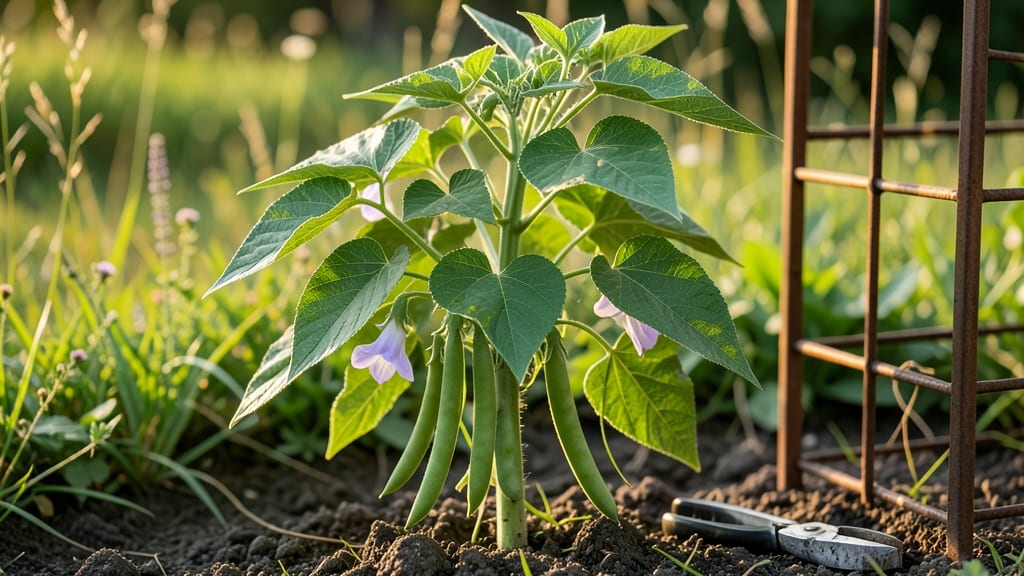
Growing Seychelles green beans in your backyard means year-round harvests that taste sweeter than store-bought. 🌱 These tropical beauties thrive where heat lingers, but they’ll surprise you even in milder climates if you get a few key things right—like soil that drains fast and a spot where they can soak up sun without wilting.
Start with well-draining soil mixed with compost, and plant seeds ½ inch deep after your last frost—or anytime in warm zones. They love warmth but hate soggy roots, so mulch helps keep moisture steady without smothering them.
In containers? Use 5-gallon pots or deeper, and space plants 4 inches apart for climbing room.
You’ll harvest tender pods in 60-70 days, and the more you pick, the more they produce. Snip beans when they’re 4-6 inches long for the sweetest flavor, and watch them climb 6+ feet if given a trellis.
The secret to continuous harvests? Keep soil moist, feed lightly with nitrogen, and protect them from pests like bean beetles.
Perfect for small spaces, balconies, or tropical gardens—just avoid cold snaps and you’re golden. These beans handle heat like pros, so if you’ve struggled with other varieties, Seychelles might just be your new favorite. Let’s get those seeds in the ground!
📚 In This Guide
- What you need
- Instructions
- Tips and common mistakes
- Wrapping up and next steps
What you need
- ● Seychelles Green Bean Seeds: 2–3 packets (50–100 seeds per packet) for a small garden
- ● Choose organic, non-GMO seeds for best results
- ● Growing Medium: Well-draining potting mix (10–20 lbs) or coco coir for containers
- ● For in-ground planting: Loamy, slightly sandy soil (pH 6.0–7.0)
- ○ Optional: Compost (5–10 lbs) to enrich soil
- ● Containers (if not planting in-ground): 5-gallon fabric pots or deep plastic containers (12–18 inches deep)
- ● At least 2–3 containers per seed packet for proper spacing
- ● Fertilizer: Balanced organic fertilizer (e.g., 5-5-5 or 10-10-10, 5 lbs)
- ○ Optional: Fish emulsion or seaweed extract for a nutrient boost
- ● Support Structures: Trellis or stakes (6–8 feet tall) for climbing varieties
- ○ Optional: Netting for bush varieties (if desired)
- ● Watering Tools: Drip irrigation system or watering can (with a fine rose nozzle)
- ○ Optional: Moisture meter to monitor soil hydration
- ● Pruning Tools: Sharp pruning shears or garden scissors
- ● Gloves (for handling thorny vines, if applicable)
- ● Climate: Tropical or warm subtropical (65–90°F / 18–32°C)
- ● Sunlight: Full sun (6–8+ hours daily)
- ● Water Access: Consistent 1–1.5 inches per week (adjust for heat)
- ● Patience: Germination takes 7–14 days in ideal conditions
Step-by-Step guide to growing Seychelles green beans in tropical heat
Here’s how to coax these heat-loving beans into prolific production—no matter how intense your climate.
🌱 Step 1: Prepare the Soil for Fast Root Establishment
Seychelles green beans thrive in warm, well-draining soil with a pH between 6.0 and 6.8. Work in 2-3 inches of compost into the top 6 inches of soil to improve fertility and moisture retention. These beans hate soggy roots, so if your soil drains poorly, mix in 1 part perlite or coarse sand for every 3 parts soil. I like to test drainage by filling a container with water—if it drains in under 15 minutes, your soil is ready.
Spread a 1-inch layer of mulch (straw or shredded leaves) after planting to keep roots cool and conserve moisture. The mulch also prevents soil-borne diseases from splashing onto leaves during heavy rains, which is critical in humid climates. Work the compost and amendments into the soil until it’s loose and crumbly—you should be able to push your finger 2 inches deep without resistance.
☀️ Step 2: Plant at the Right Time for Continuous Harvests
Unlike temperate beans, Seychelles varieties tolerate heat better and can be planted anytime temperatures stay above 65°F. For year-round production, stagger plantings every 2-3 weeks—this ensures a steady supply of pods. Plant seeds 1 inch deep and 4-6 inches apart in rows 18-24 inches apart. I use a small stick to mark rows if I’m planting in a new bed, since these beans spread quickly.
Thin seedlings to the strongest plant when they’re 2-3 inches tall, leaving the recommended spacing. Weak, crowded plants compete for nutrients and produce fewer pods. Watch for first true leaves (the second set after the initial seed leaves) to appear—this is your signal to start thinning. If you’re growing in containers, use 1 plant per 5-gallon pot to give roots room to expand.
💧 Step 3: Water Deeply and Strategically to Prevent Bolting
Seychelles beans need 1-1.5 inches of water per week, but the key is deep, infrequent watering. Water at the base of plants in the early morning to reduce evaporation and fungal risks. Avoid overhead watering, especially in humid conditions—wet foliage invites powdery mildew. I use a soaker hose or drip irrigation to deliver water directly to the roots without wetting the leaves.
Let the top 2 inches of soil dry out between waterings—this encourages deeper root growth and prevents the plants from becoming waterlogged. During extreme heat (above 90°F), increase water slightly to 2 inches per week, but never let the soil stay soggy. You’ll know your watering is right when the soil feels damp but not wet when you check with your finger.
✂️ Step 4: Prune and Support for Maximum Pod Production
As plants grow, install trellises or stakes to keep vines upright—this improves air circulation and makes harvesting easier. Seychelles beans are vigorous climbers, so I use 6-foot tall stakes or a strong trellis system to support them. Gently weave vines through the trellis as they grow, or tie them with soft plant ties every 12 inches to prevent breakage.
Pinch off the first few flowers if your plants are still small—this redirects energy to root and vine growth rather than pod production. Once plants are established, harvest pods every 2-3 days to encourage continuous flowering. Use clean scissors to snip pods just above the node where they attach. Regular harvesting prevents the plants from becoming overloaded and bolting prematurely.
🌿 Step 5: Fertilize for Heat-Resistant Growth
Feed plants with a balanced, slow-release fertilizer (10-10-10) at planting, then again 4-6 weeks later. In tropical climates, beans can deplete soil nutrients quickly, so I add a side dressing of compost mid-season to replenish organic matter. Avoid high-nitrogen fertilizers—they promote leafy growth at the expense of pods. Instead, use a low-nitrogen, high-phosphorus fertilizer (like 5-10-10) to boost flowering and fruiting.
Watch for signs of nutrient deficiency: yellowing leaves indicate nitrogen deficiency, while purple stems or leaves suggest phosphorus or potassium shortages. If you see these signs, adjust your fertilizer blend accordingly. Seychelles beans are relatively low-maintenance, but consistent feeding ensures they keep producing through the heat. Mulch again after fertilizing to lock in moisture and nutrients.
Tips & tricks for thriving Seychelles green beans in tropical climates
These heat-specific strategies will help you avoid common pitfalls and maximize your harvest with minimal effort.
Soil Preparation Secret: In Step 1, when testing soil drainage, fill your container with water and mark the water level. If it drains completely in under 15 minutes, you're good—but if it takes longer, mix in more perlite or sand. I've found that adding worm castings to the compost mix gives an extra nutrient boost these tropical beans love. The goal is soil that feels like a well-squeezed sponge: damp but not dripping.
Planting Strategy for Year-Round Production: For continuous harvests, I recommend planting your first batch when morning temperatures consistently stay above 65°F, then stagger subsequent plantings every 2-3 weeks. Mark your planting dates on a calendar—this ensures you'll always have fresh pods ready to harvest. In Step 2, when thinning seedlings, keep the spacing precise: 4-6 inches between plants prevents competition while allowing enough airflow to reduce fungal risks.
Watering Wisdom: The deep, infrequent watering method in Step 3 is crucial for preventing bolting. I've learned the hard way that watering in the early morning (between 6-9 AM) gives plants time to dry out before humidity peaks. During extreme heat above 90°F, I increase water to 2 inches per week but always check soil moisture by feeling the top 2 inches—it should feel like a damp sponge, not a wet washcloth. A moisture meter can be a game-changer for perfecting this.
Support System: When installing trellises in Step 4, I use bamboo stakes because they're strong yet flexible enough to handle the vigorous vines. For larger gardens, consider a trellis system with crossbars every 12 inches—they provide more surface area for vines to climb. The key is to train vines gently as they grow, rather than forcing them through tight spaces, which can cause breakage.
Pro Tips for Seychelles Green Beans
- These heat-specific strategies will help you avoid common pitfalls and maximize your harvest with minimal effort.
- Soil Preparation Secret: In Step 1, when testing soil drainage, fill your container with water and mark the water lev...
- Planting Strategy for Year-Round Production: For continuous harvests, I recommend planting your first batch when morn...
Frequently asked questions
Got questions about growing Seychelles green beans in your tropical climate? You’re in the right place! Here are answers to the most common queries to help you cultivate a thriving harvest.
How long does it take for Seychelles green beans to mature?
Seychelles green beans typically mature in 50–60 days from planting, depending on your climate and growing conditions. In tropical heat, they may grow even faster—check seed packets for specific varieties. Harvest when pods are firm, crisp, and 4–6 inches long for the best flavor and texture.
Can I grow Seychelles green beans year-round in tropical climates?
These beans thrive in warm, humid conditions (70–90°F) and can be grown year-round in tropical zones. However, avoid extreme heat (above 95°F) or heavy rains, which may reduce yields. Use shade cloth during peak sun if needed, and ensure well-draining soil to prevent root rot.
What can I do if my Seychelles green beans stop producing pods?
If your plants aren’t setting pods, check for these issues:
- Pollination problems: Hand-pollinate with a soft brush if bees are scarce.
- Overcrowding: Thin plants to 4–6 inches apart for better airflow.
- Nutrient deficiency: Add compost or a balanced fertilizer (high in phosphorus).
- Temperature stress: Move plants to partial shade if temps exceed 95°F.
Most issues resolve quickly with adjustments!
Are Seychelles green beans easy to grow for beginners?
Yes! They’re low-maintenance and fast-growing, making them perfect for beginners. Start with seeds (soak overnight for faster germination) or young plants. Just ensure:
- Full sun (6+ hours daily).
- Well-draining, slightly acidic soil (pH 6.0–6.8).
- Regular watering (keep soil moist but not soggy).
With minimal effort, you’ll enjoy a bountiful harvest in weeks!
How should I store Seychelles green beans after harvest?
Store unwashed beans in a paper towel-lined container in the fridge for 5–7 days. For longer storage (up to 2 weeks), blanch and freeze them. Avoid washing until ready to use to prevent spoilage. Pro tip: Pick beans frequently to encourage continuous production!
Wrapping up and next steps
Growing Seychelles green beans in your tropical garden is a rewarding journey—packed with fresh, flavorful harvests and the joy of nurturing a resilient plant! 🌱 With the right soil, sunlight, and care, you’ll enjoy a year-round bounty that’s both nutritious and delicious.
Whether you’re a seasoned gardener or just starting, these tropical heat secrets make it easier than ever to turn your green thumb into a harvest of success.
Ready to dive in? Start by prepping your soil this week—then watch your beans thrive! For extra inspiration, explore companion planting or creative recipes to make the most of your harvest. Happy growing! 🌿