
Propagation
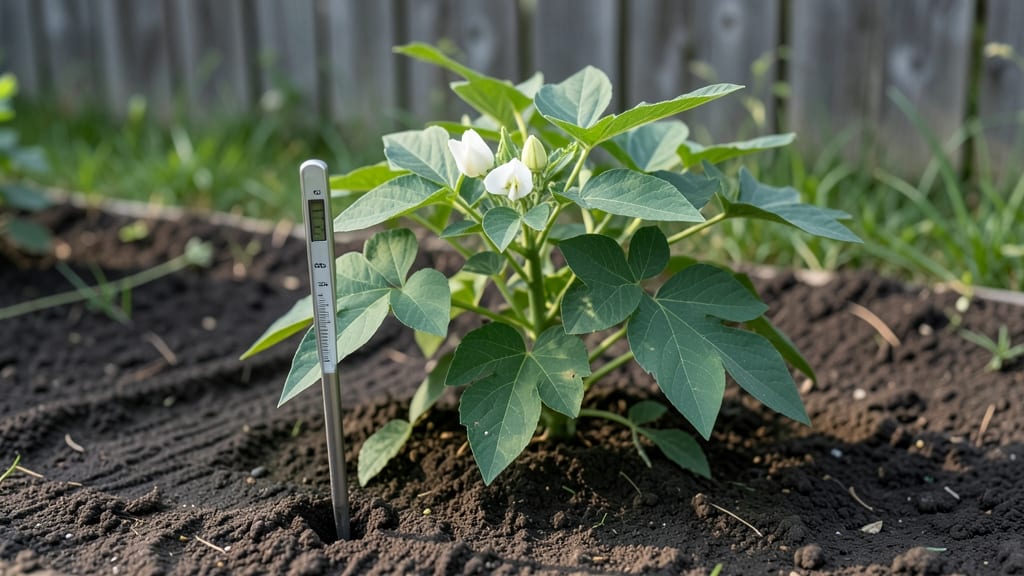
The ideal soil temperature for bean germination is between 60°F and 90°F — too cold, and your seeds will sit there for weeks; too hot, and they risk rotting before sprouting.
Struggling to get your bean seeds to sprout? Soil temperature plays a far bigger role than most gardeners realize — getting it wrong can mean weeks of waiting instead of days.
Even in Zone 6a, where spring arrives late, a 5°F difference can turn a 5-day germination into a 3-week wait.
Most gardeners focus on planting dates, but the real secret to fast, reliable 🌱 bean starts lies underground. A simple soil thermometer (or even a DIY buried thermostat) can save you from wasted seed packets and frustrated waiting.
Below, I’ll show you how to check your soil’s readiness, adjust it for faster sprouts, and even troubleshoot common mistakes that kill germination before it begins.
Optimal soil temperature ranges for bean seed germination by variety
If you've ever planted bean seeds only to watch them sit stubbornly in the soil for weeks, you're not alone. Soil temperature is the silent hero of germination—too cold, and your seeds nap indefinitely; too hot, and they can even rot before sprouting.
For beans specifically, the right temperature isn't just about speed—it's about unlocking the cellular processes that trigger growth. At the microscopic level, enzymes in the seed embryo become active only within a precise temperature range, breaking down stored nutrients to fuel the first root and shoot.
Most gardeners focus on planting dates, but soil temperature is the real clockwork mechanism. Even in warm climates, early spring or late fall soils can linger in the 50°F range, which is a no-go for beans.
The difference between a 55°F and 75°F soil can mean the difference between germination in 5 days versus 30. Let’s break down the exact ranges by bean type so you can time your planting like a pro.
⚠️ CRITICAL NOTE: Always measure soil temperature at the depth where you’ll plant seeds (typically 1-2 inches deep). Air temperature is a poor predictor—soil warms and cools more slowly and can be 10-15°F cooler than the ambient air, especially in early spring.
Why does this range matter so much? Inside every bean seed, enzymes called amylases and proteases need warmth to activate. These enzymes break down starches and proteins stored in the seed’s cotyledons (seed leaves) into simple sugars and amino acids—the fuel for the growing embryo.
Below 60°F, these enzymes become sluggish, and the seed enters a state of dormancy. Above 90°F, the seed’s proteins can denature, leading to poor or failed germination.
Most gardeners assume their soil is warm enough by checking air temperature, but that’s a common mistake. For accurate readings, use a soil thermometer (available for under $10) or a digital probe thermometer. Stick it into the soil at planting depth and wait 30 seconds for a stable reading.
If your soil is below the minimum for your bean variety, don’t panic—there are ways to warm it up safely (we’ll cover those in the next section!).
Pro tip: If you’re planting in containers, the soil warms up faster than in-ground soil because it’s exposed to sunlight on all sides. This is why many gardeners start beans in pots or use black plastic mulch to raise soil temperature.
Conversely, heavy clay soils hold cold longer and may need row covers or heat mats to reach optimal temps.
For those in cooler climates (USDA Zones 3-5), aim to plant beans after the last frost date when soil temperatures consistently reach 65°F. In warmer zones (Zones 7-10), you can plant in late winter or early spring as long as you monitor soil temps closely.
A general rule: Wait until you can comfortably keep your hand in the soil for 5 seconds—if it’s too cold for you, it’s too cold for your beans.
One more critical detail: Moisture and temperature work hand-in-hand. Even at the right temperature, dry soil can prevent germination. Keep the soil consistently moist (not soggy) until seeds sprout. A light misting every 1-2 days is often enough, especially if you’re using mulch to retain moisture.
Ready to test your soil? Grab a thermometer and check it at 10 AM on a sunny day—this is when soil temps are most accurate for planting decisions. If your readings are still too low, don’t rush—waiting a week
How to adjust soil temperature for faster bean germination
Getting your bean seeds to sprout quickly isn't just about water and sunlight—soil temperature is the silent game-changer. When soil is too cold, seeds may rot; too hot, and they can dry out before germinating.
The ideal range for beans is 60-85°F, but achieving that depends on your climate and timing. If your garden soil is still chilly in spring or overheating in late summer, don't worry—there are simple fixes to create the perfect environment for those tiny seeds to wake up and grow.
First, let's address the most common issue: cold soil. Many gardeners in cooler zones struggle with slow germination because the earth simply hasn't warmed enough after winter. The good news? You can artificially raise soil temperature with a few low-cost tools and techniques.
For hot soils, the opposite problem arises—seeds can dry out or even cook before sprouting. Balancing these extremes is key to success, and I'll walk you through proven methods that work in both scenarios.
- Use row covers or black plastic mulch to raise soil temperature by 5-10°F in cold climates. These materials trap heat from sunlight during the day and release it slowly at night.
- For heat mats, place them under seed trays or directly in garden beds. These electric mats maintain consistent warmth and are ideal for indoor starts or early spring planting.
- In hot climates, use shade cloth (30-50%) to prevent soil from overheating. This reduces temperature by 10-15°F while still allowing enough light for germination.
- Apply a 2-3 inch layer of straw mulch to insulate soil and maintain even temperatures. This also helps retain moisture, which is critical for seed hydration.
- Monitor soil temperature with a DIY thermometer: Bury a meat thermometer 1-2 inches deep in the soil and check it daily. Aim for 70-75°F for fastest germination.
- Plant beans in raised beds filled with compost-rich soil. These beds warm up faster in spring and drain better, creating an ideal environment for seeds.
- For late summer/fall planting, choose warmer-microclimate spots like near south-facing fences or brick walls, which absorb and radiate heat.
Timing your planting is just as important as adjusting the soil. In spring, wait until the soil consistently reaches 60°F before sowing. Use a soil thermometer to check daily—morning readings are most accurate.
If your zone has a late frost risk, consider starting seeds indoors under grow lights 2-3 weeks before the last frost date, then transplant once soil warms.
For fall planting, focus on varieties like winter beans or black turtle beans, which tolerate cooler soils. Plant in late summer when daytime temps are still warm but nights begin to cool.
A light row cover can extend your fall growing season by protecting seeds from sudden cold snaps while allowing sunlight to penetrate.
One of my favorite low-tech tricks is using black plastic pots filled with warm water. Place them near your planting area—they absorb heat during the day and slowly release it into the soil overnight, creating a microclimate that's perfect for germination.
This method is especially useful for gardeners with limited tools or budgets.
Remember, consistency is key. Fluctuating temperatures can confuse seeds and delay germination. If you're planting in containers, choose dark-colored pots—they absorb more heat from sunlight. And always keep the soil moist but not soggy; dry soil heats up faster and can stress seeds.
With these adjustments, you'll see those first green shoots in as little as 5-7 days instead of waiting weeks.