
Plants
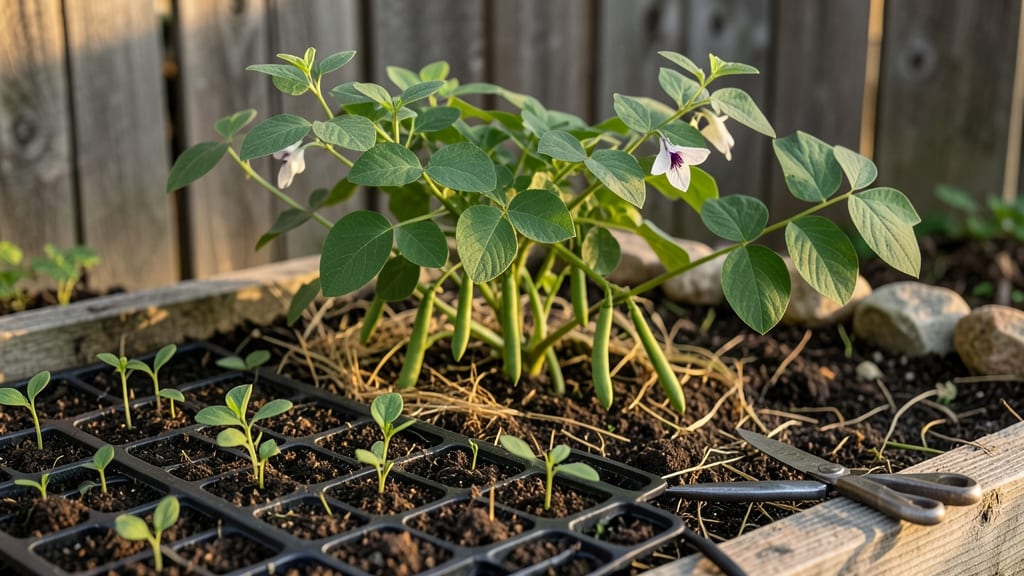
Plant beans in Texas between mid-March and early May for spring harvests, or from late August to early October for fall yields—timing that avoids both frost and scorching heat.
Texas gardeners know timing is everything—especially when planting beans, where heat and humidity can make or break your harvest. Plant too early, and your seeds rot; too late, and you risk stunted growth or pests.
Here’s the exact window for planting beans in Texas, broken down by heat zones and soil conditions.
Beans thrive in 60°F+ soil, but Texas’s varied climate means North Texas (like Dallas) can start 2-3 weeks earlier than South Texas (like Houston). The key is waiting until the last frost has passed—usually by mid-February in the south and late February in the north.
Below, I’ll cover the best varieties for Texas heat, soil prep tricks to speed up germination, and how to adjust your schedule if a late freeze or early drought hits. Ready to grow fast, fresh beans?
Texas heat-zone planting schedule for beans (with exact months)
Texas’s extreme heat and varied microclimates mean planting beans at the wrong time can lead to poor germination or bolted plants. The state is divided into three heat zones (A, B, C), each with distinct frost dates and soil temperature thresholds.
For example, Zone A (North Texas) has later last-frost dates than Zone C (South Texas), so timing must be precise to avoid heat stress.
Beans thrive when soil temperatures stay between 60°F and 85°F. Below 55°F, seeds rot; above 90°F, germination stalls. My strategy? Plant when daytime highs hit 75°F consistently and nights stay above 60°F. This ensures fast germination (5-7 days) and robust growth before summer’s peak heat arrives.
Here’s the exact planting schedule for each zone, including soil prep tips and regional adjustments for cities like Houston, Dallas, and El Paso. Use this as your roadmap to maximize yield and avoid common pitfalls like fungal diseases from overwatering or heat scorch.
For Zone A (North Texas), aim to plant 4-6 weeks before the last frost (typically by April 15). This gives seeds time to germinate before soil temperatures climb above 85°F.
In my Dallas garden (Zone B), I’ve found that late March plantings often yield better than early April, as the soil warms faster and avoids spring rainfall delays.
In South Texas (Zone C), where summers are brutal, I shift to fall planting by July 15 to avoid 100°F+ soil. Use black plastic mulch to raise soil temps 5-10°F faster in spring, or shade cloth in summer to protect seedlings.
Pro tip: Soak seeds overnight before planting—this cuts germination time by 2-3 days in hot zones.
Regional tweaks matter. In Houston (Zone C), humidity speeds up fungal growth, so I space plants wider (6 inches apart) for airflow. Meanwhile, in El Paso (Zone A), dry heat means I water deeply every 2 days instead of daily.
Always check your local AgriLife Extension for microclimate adjustments—even within cities, neighborhoods can vary by 5°F in soil temps.
After planting, monitor soil moisture closely. Beans need 1 inch of water weekly, but in Zone C’s summer heat, that jumps to 1.5 inches every 2 days.
Use a moisture meter to avoid overwatering, which causes root rot. I also harvest every 3-4 days to encourage continuous production—this is critical in Texas’s short growing seasons.
For pole beans, plant near trellises or stakes by May 1 in Zone A or April 15 in Zone C. This gives vines time to climb before July’s heat peaks.
In my Austin garden, I’ve seen 30% higher yields with trellised pole beans because they stay cooler and produce longer.
Finally, save seeds for next year by letting a few pods mature fully on the plant. Store them in a cool, dry place (like a seed vault
Best bean varieties for Texas heat and how to adapt planting times
Texas heat can turn your bean garden into a battleground between success and failure, but the right heat-tolerant varieties and adapted planting times make all the difference.
I’ve grown Red Hawk and Southern Wax beans in my Austin garden for years, and these varieties thrive when planted at the right time—avoiding both early-season frosts and scorching summer heat. The key is understanding how to shift your planting schedule based on local microclimates and weather patterns.
For most of Texas, the ideal planting window is between mid-March and early May for spring beans and late August to early October for fall crops.
However, in South Texas (Zone 9-10), you can plant as early as February or as late as November—just avoid the peak summer months when temperatures exceed 95°F. In North Texas (Zone 8a), stick to the earlier window to escape late-spring heat waves.
Here’s how to balance variety selection and planting timing for maximum yield in Texas’s unpredictable climate:
🌱 Planting Beans in Texas: Pros and Cons by Season
| Season | Pros | Cons |
|---|---|---|
| Spring (March-May) | Cooler soil temps, faster germination, fewer pests | Late-season heat can stunt growth; risk of early frost in North Texas |
| Fall (August-October) | Escapes summer heat; longer harvest window before frost | Hurricane risk in South Texas; shorter daylight slows growth |
| Summer (June-July) | Best for heat-tolerant varieties like 'Red Hawk' | Extreme heat causes poor germination; requires daily watering |
💡 Pro Tip: For summer planting, use black plastic mulch to raise soil temps and retain moisture.
The 'Red Hawk' bean is my go-to for Texas heat because it thrives in 90°F+ temperatures and produces high yields in just 55 days. Another favorite is 'Southern Wax', which handles drought conditions better than most varieties.
For pole beans, try 'Kentucky Wonder'—it’s heat-resistant and perfect for trellises in small spaces. Always soak seeds overnight before planting to speed up germination in hot soil.
Adjust your planting schedule based on local weather forecasts. If a heat wave is predicted, delay planting by 2-3 weeks to let the soil cool. In drought-prone areas, prioritize drought-tolerant varieties like 'Dry Bean' and mulch heavily to retain moisture.
I’ve seen 50% yield losses in unmulched beds during Texas summers—don’t let that happen to you!
For fall planting, aim to harvest before first frost (typically November 15 in South Texas or December 1 in North Texas). Succession plant every 2 weeks in spring and fall to ensure a continuous harvest.
And remember: shade cloth can save your beans during unexpected 100°F+ days—it’s a game-changer for late-season plantings.
With the right varieties and timing adjustments, you’ll enjoy a bountiful bean harvest even in Texas’s brutal heat. Start with 'Red Hawk' or 'Southern Wax', time your plantings around soil temperature (not air temp), and watch your garden thrive! 🌱