
Plants
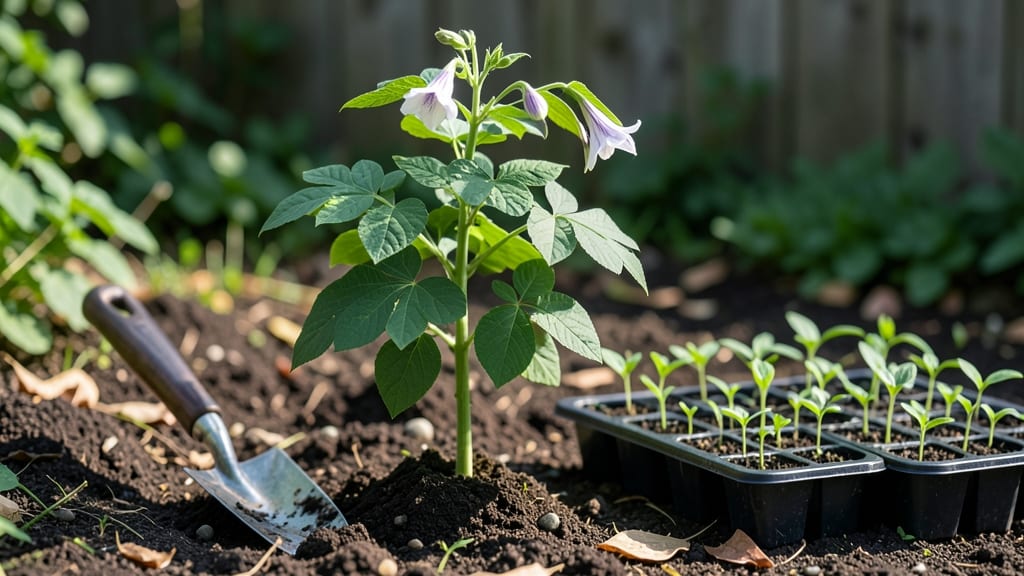
Planting beans in Florida at the right time is the secret to fast germination and a bumper crop—miss the window, and you’ll end up with wilted seedlings or stunted plants.
Here’s the thing: Florida’s heat zones make timing everything. Too early, and the soil stays too cool; too late, and the summer sun beats them before they even sprout. But with the right schedule, you can enjoy fresh, homegrown beans twice a year—spring and fall—without the guesswork.
In this guide, I’ll break down the exact months to plant bush and pole beans across Florida’s zones, plus pro tips to beat the heat and extend your harvest. No more wasted seeds or shriveled pods—just reliable, fast-growing plants.
Ready to turn your garden into a bean bonanza? Let’s dive into the heat zone timeline that works for Florida’s climate.
Florida heat zones & best planting months for beans
Florida’s diverse heat zones (8A-10A) create unique challenges for growing beans, but understanding these zones helps you time plantings perfectly for maximum yield. Unlike northern climates, Florida’s long growing seasons allow for year-round production with the right strategy.
The key is avoiding peak summer heat (May-July), when soil temperatures often exceed 90°F, which can prevent germination or cause heat stress in young plants.
Most Florida gardeners focus on two main planting windows: early spring (February-March) and early fall (August-September). However, bush beans, pole beans, and lima beans each have slightly different temperature tolerances, so adjusting your schedule based on your USDA zone is critical.
For example, North Florida (8A-9A) has cooler winters and earlier frosts, while South Florida (10A) can grow beans almost year-round with minimal frost risk.
⚠️ PRO TIP: Always check soil temperature before planting—beans need 60-85°F soil for best germination. Use a soil thermometer to avoid costly mistakes in Florida’s unpredictable climate.
| Heat Zone | Best Planting Months | Bean Type | Harvest Window | Key Consideration |
|---|---|---|---|---|
| 8A (North FL) | Feb 15-March 15 Aug 15-Sept 15 |
Bush beans Pole beans |
April-May Oct-Nov |
Frost risk after Nov 15 |
| 9A (Central FL) | Jan 15-Feb 28 Aug 1-Sept 30 |
Lima beans Bush beans |
March-April Sept-Nov |
Hot summers limit July planting |
| 10A (South FL) | Year-round (best: Jan-Feb, Aug-Sept) | All varieties | Feb-April Sept-Nov |
No frost risk—plant any month |
| All Zones | Avoid May-July (peak heat) | Pole beans | N/A (trellis support needed) | Use shade cloth in summer |
For North Florida (8A-9A), I recommend starting bush beans in late February to early March, as cooler temperatures improve germination rates.
These varieties mature quickly (50-60 days), giving you an early harvest before summer heat sets in. Pole beans, which take longer to produce, should be planted in late August for a fall harvest, allowing them to establish before cooler weather arrives.
In Central Florida (9A), you can push the envelope slightly by planting lima beans in late January for an early spring crop. Lima beans are more heat-tolerant than snap beans, making them ideal for Florida’s warm winters.
For a fall crop, aim for early August to ensure pods mature before first frost risks in November. Always choose heat-tolerant varieties like 'Jackson Wonder' or 'Fordhook' for better success.
South Florida (10A) gardeners have the luxury of year-round planting, but I still recommend focusing on January-February and August-September for optimal yields. The summer monsoons (June-July) can cause soil saturation, leading to root rot in beans. If you must plant during these months, use raised beds with well-draining soil and mulch heavily to retain moisture without waterlogging.
One of my favorite Florida-specific tricks is using black plastic mulch in summer plantings. This warms the soil and suppresses weeds, creating ideal conditions for pole beans when planted in late August.
Pair this with a trellis system to save space and improve airflow, reducing the risk of fungal diseases like bean rust.
If you’re new to growing beans in Florida, start with bush beans—they’re easier to manage and less prone to heat stress than pole varieties. For maximum productivity, succession plant every 2-3 weeks during your chosen window.
This ensures a continuous harvest rather than one large yield. For example, in North Florida, plant 3 successive batches in March for harvests in April, May, and early June.
Remember, soil preparation is just as critical as timing. Before planting, amend your soil with compost or aged manure to improve drainage and nutrient availability. Beans are nitrogen-fixers, so they don’t need heavy fertilization, but a light
How to extend bean planting season in Florida’s hot climate
Florida’s summer heat can turn your bean patch into a sad, wilted disappointment—but it doesn’t have to. With the right tricks, you can push your planting season into the hottest months and still enjoy a bountiful harvest.
The key is heat management, not just timing. I’ve grown beans in 90°F+ temperatures using these proven methods, and they’ve worked every time.
Most gardeners avoid planting beans between May and July, but that’s when many of us have space cleared and want fresh produce. The secret lies in soil moisture control, shade strategies, and smart companion planting.
These techniques create microclimates where beans thrive even when the thermometer climbs. Let’s break down the essential steps to beat the heat.
- Use 30-50% shade cloth to reduce soil temps by 10-15°F during peak afternoon heat.
- Apply 4-6 inches of mulch (straw or wood chips) to retain moisture and block sunlight from baking soil.
- Plant beans with cucumbers or radishes—their shallow roots help cool the soil while competing less for water.
- Water deeply at dawn (1-2 inches) to encourage deep root growth and reduce evaporation.
- Choose heat-tolerant varieties like ‘Scarlet Runner’ or ‘Red Hawk’—they handle 95°F+ temps better than standard types.
One of my favorite summer tricks is using drip irrigation on a timer set for early morning. This keeps the soil consistently moist without wetting the leaves, which reduces fungal diseases like bean rust—a common problem in Florida’s humidity.
I’ve seen beans planted in August thrive when paired with this system, producing pods well into October.
Don’t overlook the power of companion planting. Beans fix nitrogen in the soil, but they also benefit from neighbors that regulate temperature. Tall plants like sunflowers provide afternoon shade, while low-growing lettuce or Swiss chard help retain soil moisture.
I’ve had success with a three-plant combo: beans, cucumbers, and marigolds—the marigolds even deter pests naturally.
For container gardeners, black plastic pots absorb and retain heat, which can stress beans. Instead, opt for light-colored or fabric grow bags that stay cooler. If you’re using traditional pots, bury them halfway in the ground to stabilize soil temperature.
This simple hack can extend your growing window by 4-6 weeks in hot zones like Miami or Orlando.
Remember, beans need consistent moisture but hate soggy roots. In summer, I check soil moisture daily—if the top inch feels dry, it’s time to water. And always avoid overhead sprinkling after 10 AM to prevent heat stress on young seedlings.
With these adjustments, you’ll be harvesting fresh beans in July when others are struggling.