
How To
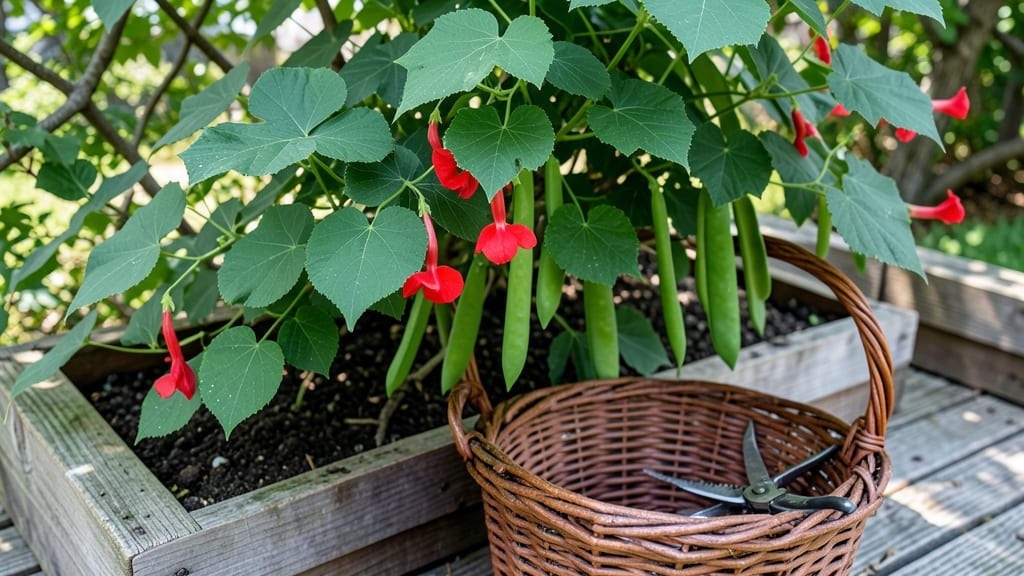
Harvesting scarlet runner beans at the right time turns your garden into a sweet, tender feast 🌱—but wait too long, and you’ll end up with tough, stringy pods that taste like disappointment.
Picking scarlet runner beans at the wrong time means missing out on tender, flavorful pods—or worse, tough, stringy messes that ruin your meal. Timing is everything, and these vibrant climbers reward precision with sweet, juicy harvests.
You’ll know they’re ready when pods hit 4-6 inches long, turn a glossy red, and feel firm to the touch. Ignore those cues, and you’ll either get underripe pods that lack flavor or overripe ones that turn woody and bitter.
In this guide, I’ll walk you through the 3 key signs of perfect ripeness, how often to pick for maximum yield, and what happens if you miss the window—so you can enjoy the best of your scarlet runner beans all season.

3 Visual signs scarlet runner bean pods are ready for harvest
Harvesting scarlet runner beans at the right moment transforms your garden into a flavor factory. These stunning climbers produce tender, sweet pods when picked precisely—miss the window, and you’ll end up with tough, stringy messes.
The key lies in three visual cues that tell you when to grab your shears. I’ve learned the hard way that ignoring these signs means sacrificing both yield and taste!
First, let’s talk about pod size. This is your most reliable indicator. When pods reach 4 to 6 inches long, they’re typically at their peak for harvesting. Any shorter, and they’re still developing their full flavor.
But wait—there’s more to it than just length. The color and texture play equally important roles in determining whether your pods are ready to be picked.
Here’s where things get exciting: the color transformation from green to vibrant red or maroon signals ripeness. But don’t be fooled by a deep red hue alone—it’s the glossy sheen that confirms they’re ready.
Pair that with a firm yet slightly crisp texture, and you’ve got a winner. These visual clues work together to ensure you’re harvesting at the perfect moment for the best flavor and texture.
- 📏 Pod Length: Harvest when pods are 4-6 inches long. Shorter pods (under 3 inches) are underdeveloped and lack flavor.
- 🔴 Color: Look for bright red or maroon pods with a glossy sheen. Dull or pale pods aren’t ready yet.
- 🍆 Texture: Pods should be firm but not hard. Press gently—if they dent easily, they’re overripe; if they’re rock-solid, they’ve passed their prime.
- 🌿 Seed Visibility: Inside, seeds should be tiny or invisible. Visible seeds mean the pod is overripe and woody.
- ⏰ Avoid Harvesting: Never pick pods when flowers are still vibrant or when pods feel slimy or mushy. These are red flags for poor quality.
Now, let’s talk about flower cues, because they’re often overlooked. If you notice that the flowers are fading and the pods are plump, it’s a clear sign that the beans are nearing harvest time.
The flowers on scarlet runner beans are stunning, but their presence means the pods are still developing. Once they start to wilt and drop, it’s time to check the pods for readiness.
Timing your harvest correctly also means understanding what to avoid. One common mistake is waiting too long, which leads to woody, fibrous pods that are nearly inedible. These pods often have large, visible seeds and a tough exterior.
On the flip side, harvesting too early—when pods are still small and pale—results in bland, underdeveloped beans that lack the sweetness and texture you crave.
Here’s a little secret: consistent harvesting keeps your scarlet runner bean plants productive. When you pick the pods regularly, the plant focuses its energy on producing more flowers and new pods. This means a longer harvest season and more beans for you to enjoy.
It’s a win-win! Plus, keeping up with the harvest prevents the plant from becoming overloaded, which can stress it out and reduce overall yield.
Let’s not forget about weather conditions, which can subtly affect harvest timing. On hot, dry days, pods may mature faster, so keep an eye on them. Conversely, cool, cloudy weather can slow down the ripening process.
Adjust your harvesting schedule based on the forecast to ensure you’re always picking at the optimal moment. Paying attention to these environmental factors will help you stay ahead of the game.
Finally, I can’t stress enough how visual inspection is your best tool. Before you pick, give each pod a quick once-over. Run your fingers along the pod to check for firmness and smoothness. If it feels rough or bumpy, it’s likely overripe.
A good pod should feel slightly crisp, almost like a fresh green bean. This tactile check is just as important as the visual cues.
Mastering these three visual signs will transform your scarlet runner bean harvest from hit-or-miss to consistently delicious. Once you start paying attention to these details, you’ll wonder how you ever struggled with timing before. Happy harvesting—and enjoy those vibrant, flavorful pods! 🌿
Harvest frequency and techniques to maximize yield
To keep your scarlet runner beans producing sweet, tender pods all season, I harvest every 2-3 days once the plants start flowering. This frequent picking prevents over-maturation and encourages more flower and pod development. Think of it like pruning—you’re signaling the plant to keep growing by removing spent pods.
I use a pair of sharp pruning shears or a small knife to cut pods cleanly at the stem. Avoid pulling pods off by hand, as this can damage the plant and leave behind tough, stringy remnants.
A quick, precise cut just above the pod ensures the plant stays healthy and keeps producing.
🌱
⚠️ Over-Harvesting Warning
Don’t remove more than 30% of pods at once, even if they look ripe. Scarlet runner beans are heavy producers, but over-harvesting stresses the plant. Leave at least 2-3 pods per node to maintain energy for new growth. If you pick too aggressively, you’ll see fewer flowers—and fewer future harvests.
I also rotate my harvesting approach: I pick pods from the bottom of the plant first, then work my way up. This method ensures I don’t miss any hidden gems while keeping the plant’s energy balanced.
Always harvest in the morning after dew dries—pods are crispest then, and the plant is less stressed from heat.
For large vines, I use a lightweight ladder or step stool to reach higher pods safely. Never stretch or strain—your goal is efficiency, not risking a fall.
And if you’re growing scarlet runners in containers, harvest even more frequently (every 1-2 days) since space is limited, and pods mature faster.
Finally, I save a few pods to let them fully mature and dry on the vine. These become next year’s seeds! But mark them with a colorful ribbon or flag so you don’t accidentally harvest them early. This simple trick keeps your seed supply fresh while maximizing your current yield.
☀️