
Fertilization
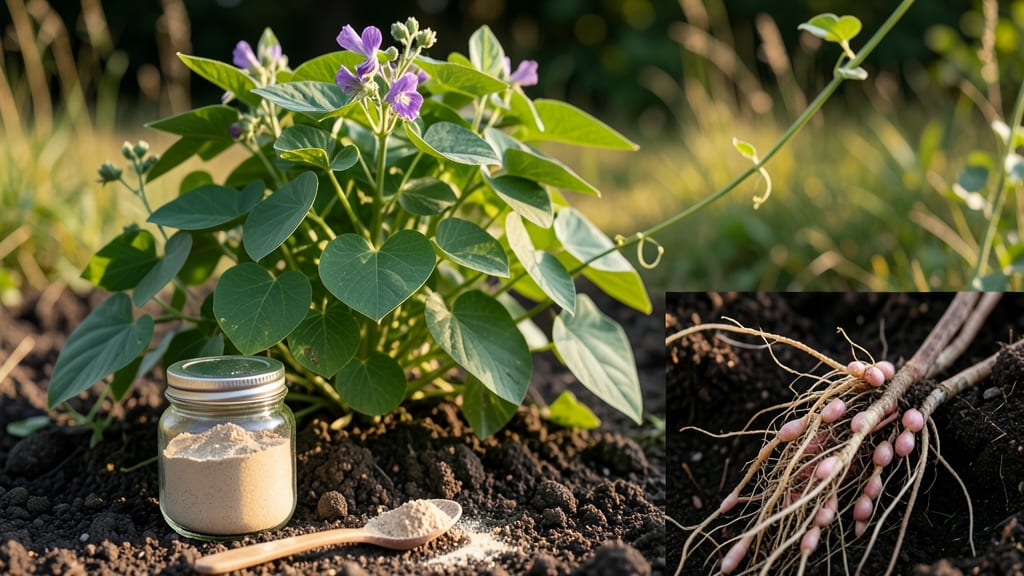
Soybean nitrogen fixation transforms atmospheric nitrogen into plant-usable nutrients through a partnership with Rhizobium bacteria, creating root nodules that boost soil fertility naturally and cut fertilizer dependency.
This natural process starts when Rhizobium bacteria infect soybean roots, forming specialized nodules where nitrogenase enzymes convert inert atmospheric nitrogen (N₂) into ammonia (NH₃). 🌱 The plant then uses this ammonia to build proteins and other essential compounds.
What's fascinating is that this partnership is energy-intensive—soybeans provide carbohydrates to the bacteria, while the bacteria supply nitrogen the plant can't access on its own. Without this symbiotic relationship, soybeans would struggle to thrive in nitrogen-poor soils, making this biological process a cornerstone of sustainable agriculture.
For gardeners, understanding this process means you can optimize conditions—like maintaining soil pH between 6.0 and 7.0 and ensuring adequate moisture—to support healthy nodule formation. The right soil microbes and legume-specific bacteria strains can make all the difference in how efficiently your soybeans fix nitrogen.
💡 In This Article
- How Soybean Nitrogen Fixation Works: Bacteria, Roots, and Chemistry
- Maximizing Soybean Nitrogen Fixation in Your Garden
How soybean nitrogen fixation works: bacteria, roots, and chemistry
The process begins when soybean roots release flavonoids—a type of signaling molecule—that attract Rhizobium bacteria from the soil. These bacteria then attach to root hairs and trigger a complex infection thread that grows inward, forming specialized cells called bacteroids within the root cortex.
This transformation creates root nodules, which are visible as small, pinkish swellings along the roots. Inside these nodules, the bacteria convert inert atmospheric nitrogen (N₂) into ammonia (NH₃) using the nitrogenase enzyme, a process requiring significant energy and protection from oxygen. 🔥
What makes this partnership so efficient is the role of leghemoglobin, a protein that binds oxygen and maintains low-oxygen conditions inside the nodules—critical for nitrogenase function. Without this protection, the enzyme would degrade within seconds.
The soybean plant supplies the bacteria with carbohydrates (up to 20% of its photosynthate) as an energy source, while the bacteria provide fixed nitrogen that the plant can't access on its own. This energy exchange is why healthy nodules appear pinkish—due to leghemoglobin's oxygen-binding capacity.
Soybean genetics play a crucial role in fixation efficiency. Some varieties form nodules more readily or house bacteria that fix nitrogen at higher rates. For example, the Bradyrhizobium japonicum strain is particularly effective with soybeans, fixing up to 250-300 pounds of nitrogen per acre under optimal conditions.
However, environmental stress—like drought or extreme temperatures—can disrupt this process, reducing fixation by 30-50% or more. The balance between plant and bacteria is delicate, requiring precise conditions for maximum yield. ✨
Here's what happens at the molecular level: Nitrogenase splits N₂ molecules into individual nitrogen atoms, which are then combined with hydrogen to form ammonia. This ammonia is incorporated into amino acids like glutamine and asparagine, which the plant uses to build proteins and nucleic acids.
Without this process, soybeans would require 50-100 pounds of synthetic nitrogen fertilizer per acre—making nitrogen fixation an agricultural game-changer.
The efficiency of this system varies by soybean variety and growing conditions. For instance, non-nodulating mutants (genetically modified soybeans that can't form nodules) show dramatic growth differences when compared to normal plants in nitrogen-poor soils.
This highlights how critical the Rhizobium-soybean symbiosis is for sustainable agriculture. The nodules themselves can fix nitrogen at rates comparable to industrial Haber-Bosch processes but without the environmental cost. 💫
Understanding this process helps explain why soybeans are often rotated with non-legumes like corn—they leave behind nitrogen-rich soil for subsequent crops. The fixed nitrogen can remain available for up to 2-3 years after harvest, reducing the need for additional fertilizers.
This natural cycle is why soybeans are a staple in crop rotation systems worldwide.