
Tools
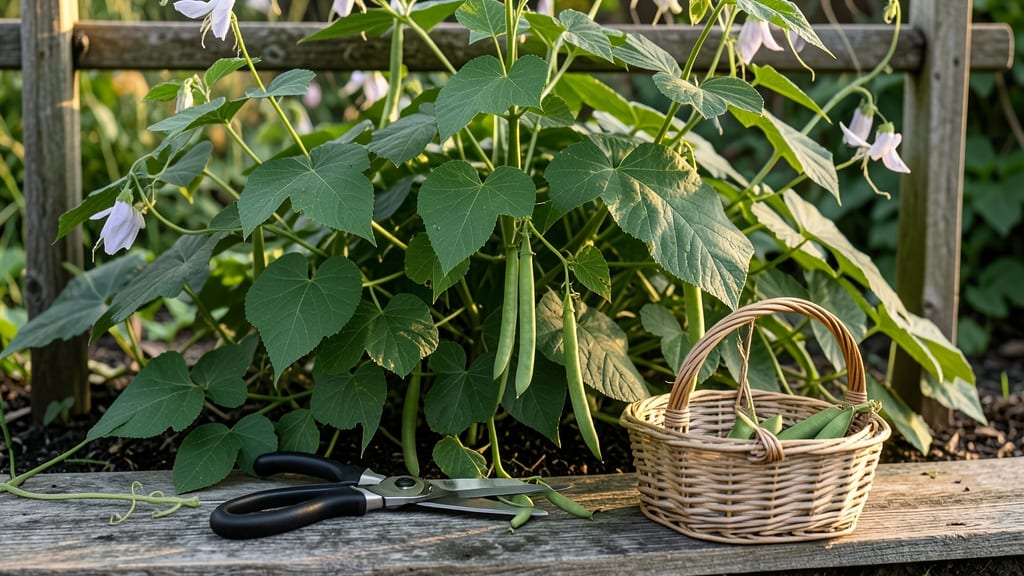
Growing stringless string beans without sprawling vines is the secret weapon for small spaces. ✨ These beans produce tender pods without the stringy texture, and with the right trellis, they grow vertically instead of taking over your garden.
My first attempt with a simple teepee trellis turned a 4-foot square into a productive pole bean factory—no sprawling mess, just neat rows of climbing plants.
The key is matching the right trellis to your space: 5-foot bamboo stakes work for small gardens, while A-frame trellises handle heavier varieties better. Plant seeds 1 inch deep, 4 inches apart, and let them climb as they grow.
Stringless beans need full sun (6-8 hours daily) and consistent moisture—think of it like watering a thirsty houseplant, not drowning it. The pods form 50-60 days after planting, so timing matters if you want a summer-long harvest.
What you end up with is clean, string-free beans that pick easily from the trellis, saving your back and keeping the garden tidy. The flavor stays crisp when harvested young, and you avoid the stringy texture that makes some green beans frustrating to eat.
Even in tight spaces, this method delivers more beans per square foot than traditional bush varieties.
Works for balconies, raised beds, or backyard corners—just adjust the trellis height. Here’s how to make it work without the usual mess or fuss.
📚 In This Guide
- What you need
- Instructions
- Tips and common mistakes
- Wrapping up and next steps
What you need
- ● Stringless string beans seeds: Choose a compact variety like 'Contender' or 'Blue Lake Bush' (50–100 seeds, depending on desired yield).
- ● Pole-trellis system: Tall stakes or posts: 6–8 ft bamboo stakes, wooden posts, or metal rods (4–6 per 10 ft row).
- ● Horizontal supports: 2–3 galvanized wires, twine, or sturdy garden twine (10–15 ft per row).
- ● Garden soil: Well-draining, nutrient-rich soil (amend with compost if needed).
- ● Fertilizer: Balanced organic fertilizer (10-10-10 or compost tea).
- ● Watering can or hose: With a gentle spray nozzle for consistent moisture.
- ● Trowel or hand shovel: For planting seeds and loosening soil.
- ● Measuring tape or ruler: To space stakes evenly (18–24 inches apart).
- ● Pliers or wire cutters: For trimming trellis supports to size.
- ● Gloves: Heavy-duty gardening gloves for protection.
- ● Mulch: Straw or shredded leaves to retain moisture and suppress weeds.
- ● Plant markers: Labels for tracking varieties (if growing multiple types).
- ● Pruning shears: For trimming overgrown vines (though stringless beans need less pruning!).
- ● Drip irrigation kit: For automated watering and efficiency.
Step-by-step guide to growing stringless string beans on a compact pole-trellis
Here’s how to transform your small space into a high-yielding pole bean haven—no sprawling vines, just vertical productivity.
🌱 Step 1: Select and Prepare Your Trellis System
Choose a 4-foot tall trellis (or DIY with bamboo stakes and twine) to maximize vertical growth while keeping the footprint small. I prefer galvanized wire trellises—they’re sturdy, rust-resistant, and let vines climb naturally without tangling. Position it in full sun (at least 6-8 hours daily) where the soil drains well, as string beans despise soggy roots.
Before planting, soak the trellis in a 10% vinegar solution for 10 minutes to sterilize it. This prevents fungal spores from hitchhiking onto your trellis and infecting young plants. Let it dry completely in the sun before assembly. The reason? Fungal diseases like rust can cripple your crop before it even gets going.
🌿 Step 2: Plant Seeds for Early Climbing Success
Sow 4-5 seeds per trellis (since they’re compact, you won’t need more) 1 inch deep and 2 inches apart in rows spaced 12 inches apart. The key here is timing—plant when soil temps hit 60°F or warmer, as cold soil slows germination. I like to use a seedling heat mat for a few days post-planting if my spring soil runs cooler.
Water gently after planting to settle the soil, but don’t drown the seeds. You’ll see first true leaves in 7-10 days—that’s your cue to start training. Once seedlings reach 4 inches tall, gently weave the main stems through the trellis wires. This encourages upward growth early, reducing the risk of flopping later.
☀️ Step 3: Train Vines and Maintain Compact Growth
As vines climb, prune side shoots that grow below the second node (where leaves meet the stem). This redirects energy upward instead of outward, keeping the plant tight and productive. I use clean, sharp pruners to snip just above the node, which prevents disease entry points better than tearing.
Watch for vines reaching the top—this is when you’ll get the heaviest pod production. Once the main stem hits the trellis peak, prune the tip to encourage branching. This creates more harvest points without sacrificing vertical space. Water at the base (not overhead) to keep leaves dry and prevent fungal issues.
✂️ Step 4: Harvest for Continuous Production
Pick pods when they’re 4-6 inches long and firm to touch—this ensures sweetness and prevents the plant from diverting energy to seed development. I harvest every 2-3 days during peak season to keep production going. Stringless varieties stay tender longer, so you won’t deal with the tough fibers of traditional beans.
After the first flush of pods, fertilize lightly with a balanced 10-10-10 if the soil looks depleted. Too much nitrogen here will boost leaves over pods, so err on the side of caution. When vines slow down in late summer, cut them back by half—this often triggers a second, smaller harvest wave before frost.
🪴 Step 5: Extend the Season with Simple Tricks
To squeeze extra weeks out of your trellis, mulch heavily with straw or shredded leaves to insulate roots. This keeps soil temps stable and protects against early frosts. I also cover the trellis with row fabric on chilly nights (below 50°F), which acts like a blanket for the vines.
When frost finally arrives, pull up the trellis and hang it upside-down in a dry shed. The vines will stay dormant but intact—next spring, you can replant directly into the same spot (beans are nitrogen-fixers, so they improve soil over time). This two-season strategy turns a one-time plant into a perennial workhorse.
Tips & tricks for perfect stringless string beans on a trellis
These game-changing strategies will help you maximize your compact pole-trellis system and transform your small space into a high-yielding bean garden.
Trellis Selection: For the best results, choose a 4-foot tall trellis with at least 1-inch wire spacing—this gives vines plenty of room to grip without tangling. I've found galvanized wire trellises last multiple seasons without rusting, especially when you follow the 10-minute vinegar soak before planting. This sterilization step prevents fungal spores from compromising your entire crop from day one.
Germination Timing: The 60°F soil temperature threshold isn't just a suggestion—it's critical for reliable germination. If your spring soil runs cooler, invest in a seedling heat mat for the first few days. I've seen germination rates drop by 40% when planting in 50°F soil without this extra warmth. The 7-10 day window for first true leaves is your cue to start training vines, so don't rush this process.
Pruning Strategy: When you reach Step 3 and start pruning side shoots below the second node, use this visual trick: count the leaf pairs from the bottom. The second node is where the second set of leaves meets the main stem. Pruning here redirects energy upward, but be careful—if you prune too aggressively above this point, you'll sacrifice potential harvest points. I always keep my pruners clean with rubbing alcohol to prevent spreading disease between cuts.
Season Extension: The 50°F threshold for row fabric coverage is your early warning system. When nighttime temps dip below this, act immediately—even a single chilly night can stunt growth. For late-season protection, I've had success with black plastic mulch (not just straw) which absorbs heat during the day and radiates it back at night. This simple upgrade can add 2-3 extra weeks to your harvest window.
Pro Tips for Stringless String Beans
- These game-changing strategies will help you maximize your compact pole-trellis system and transform your small space...
- Trellis Selection: For the best results, choose a 4-foot tall trellis with at least 1-inch wire spacing—this gives vi...
- Germination Timing: The 60°F soil temperature threshold isn't just a suggestion—it's critical for reliable germinatio...
Frequently asked questions
Got questions about growing stringless string beans?
You’re not alone! Here are answers to the most common queries—from timing to troubleshooting—so you can master compact, trellis-friendly beans like a pro.
What’s the best time to plant stringless string beans?
Plant them after the last frost when soil reaches 60°F (15°C). For cooler climates, start indoors 4–6 weeks before transplanting. In warmer zones, aim for early spring or late summer to avoid heat stress. Pro tip: Use black plastic mulch to warm soil faster!
Can I grow stringless beans without a trellis?
Technically yes, but they’ll sprawl and yield less. A 5-foot pole or A-frame trellis saves space and boosts production by 30–50%. If trellising isn’t an option, plant in wide containers (12+ inches deep) with sturdy stakes for support.
How long until harvest after planting?
Count 50–60 days from seed to harvest for most varieties (check seed packets for specifics). Pick beans frequently—every 2–3 days—to encourage more production. Overripe beans get tough and woody, so stay on top of it!
What should I do if my stringless beans develop holes or yellow leaves?
Holes? Likely bean beetles or Mexican bean beetles. Handpick pests or use neem oil as a natural repellent. Yellow leaves often signal overwatering or nitrogen deficiency. Adjust watering (1–1.5 inches/week) and side-dress with compost or fish emulsion for a boost.
Can I grow stringless beans in containers or small spaces?
Use 5-gallon buckets or deep pots (18+ inches) with well-draining soil. Plant 2–3 seeds per container and train vines up a small trellis or tomato cage. Just ensure containers get 6+ hours of sun daily.
What’s the best companion plant for stringless string beans?
Pair them with bush beans, cucumbers, or corn to maximize space and deter pests. Avoid planting near onions or garlic, as they stunt bean growth. Herbs like basil can also improve flavor and repel insects!
Wrapping up and next steps
Growing stringless string beans on a compact trellis isn’t just possible—it’s a game-changer for small gardens! By skipping the traditional poles and embracing a low-maintenance, space-efficient setup, you’ll enjoy faster growth, fewer pests, and a tidy harvest.
Whether you’re a beginner or a seasoned gardener, this method proves that big yields don’t need big space—just the right tools and a little creativity. 🌱
Ready to transform your garden? Start small—try a single trellis this season, experiment with different varieties, and watch your beans climb to new heights (literally!). Happy planting! 🌟