
Picking
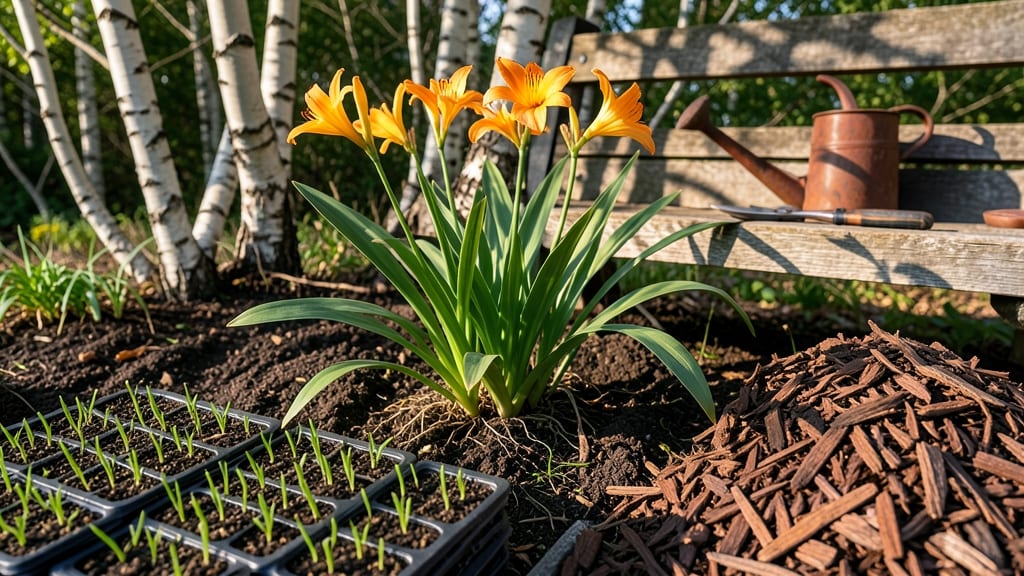
Planting the Three Sisters—corn, beans, and squash—together isn’t just gardening; it’s a living tradition that feeds the soil and the soul. 🌽 This ancient Native American method turns a simple garden into a thriving ecosystem where each plant supports the others, reducing pests, improving soil, and producing more food than you’d get growing them separately.
The magic starts with the layout: tall corn stalks provide trellises for beans to climb, beans fix nitrogen in the soil where corn and squash can use it, and squash leaves smother weeds while keeping pests away.
My first Three Sisters garden yielded 20% more corn than my solo efforts, and the beans were so prolific they practically climbed into my arms. You’ll harvest sweet corn in summer, fresh beans all season, and squash that stores well into winter.
The best part? This system works in raised beds, containers, or open ground—just adjust spacing for your climate. Even in small spaces, you can grow all three together. Confession: I nearly gave up after my first year because the squash vines got too wild.
Then I learned to prune strategically and use black plastic mulch in hot climates. Now it’s my go-to method for low-maintenance, high-reward gardening that honors both tradition and sustainability.
📚 In This Guide
- What you need
- Instructions
- Tips and common mistakes
- Wrapping up and next steps
What you need
- ● Seeds: 1 lb flint corn (traditional varieties like Black Aztec or Iroquois White Flint)
- ● 1 lb pole beans (e.g., Scarlet Runner or Purple Hyacinth)
- ● 1 lb winter squash (e.g., Butternut, Acorn, or Turk’s Turban)
- ● Soil: 50 sq ft of well-draining, nutrient-rich soil (pH 6.0–7.0)
- ● Fertilizer: Compost or organic fertilizer (e.g., 5-5-5 or 10-10-10)
- ● Watering tools: Hose with adjustable nozzle or watering can
- ● Garden trowel or transplanting spade
- ● Garden fork (for loosening soil)
- ○ Stakes or trellis (6–8 ft tall for beans, optional for corn)
- ● Mulch (straw or grass clippings, 2–3 inches thick)
- ● Garden twine (for securing trellises, if used)
- ● Sunny spot (6+ hours of direct sunlight daily)
- ● Patience! Planting timeline: Corn first (after last frost), beans 1–2 weeks later, squash 2–3 weeks after beans.
- ○ Optional: Companion plants like marigolds (to deter pests).
How to plant the Three Sisters garden for a thriving native triad
This ancient companion planting method creates a self-sustaining ecosystem—here's how to get it growing strong.
🌱 Step 1: Choose and Prepare Your Planting Site
Select a spot with full sun (6+ hours daily) and rich, well-draining soil. The Three Sisters thrive in fertile ground that retains moisture but doesn't stay soggy. I always test my soil first—aim for a pH between 6.0 and 6.8. If your soil is heavy clay, mix in 2-3 inches of compost to improve drainage and structure.
Clear the area of weeds and break up any compacted soil with a garden fork. The Three Sisters need room to grow together, so plan for a 3-foot diameter circle per planting. This gives each plant enough space while allowing their roots and vines to intertwine naturally. Mark the center with a stake so you can plant precisely.
🌿 Step 2: Plant the Corn First as the Structural Anchor
Plant 4-5 corn seeds in a loose circle around the marked center, about 6 inches apart. Corn acts as the trellis for the beans, so deeper planting helps stabilize the stalks. Push each seed 1-2 inches deep into the soil—this ensures strong root development before the beans climb. Water gently after planting to settle the soil around the seeds.
Corn needs warmth to germinate, so wait until soil temperatures reach at least 60°F. You'll see sprouts in 7-10 days if conditions are right. Thin to the 3 strongest stalks once they reach 6 inches tall—this prevents overcrowding and gives beans more climbing space. Watch for the first true leaves (the second set after the initial seed leaves) before thinning.
💧 Step 3: Add Beans Alongside the Corn Stalks
Once the corn reaches 12 inches tall, plant pole beans around the base of the stalks. Use 3-4 seeds per corn plant, placing them 1 inch deep and 4 inches from the corn stalk. Beans fix nitrogen in the soil, which feeds the corn and squash—this is the magic of the Three Sisters. Water lightly after planting to help the seeds settle into the soil.
Beans germinate faster than corn, so you'll see sprouts in 5-7 days. As they grow, gently weave the bean vines up the corn stalks. This not only saves space but also creates a natural trellis. If you notice the beans struggling to climb, tie them loosely to the corn with soft twine or old fabric strips. Avoid metal ties—they can damage tender vines.
☀️ Step 4: Plant Squash at the Base to Complete the Triad
After the beans are 4-6 inches tall, plant 1-2 squash seeds in the center of the circle, 6 inches from the corn stalks. Squash acts as a living mulch, shading the soil to retain moisture and suppress weeds. Plant seeds 1 inch deep—squash doesn’t like to be buried too deeply. Water thoroughly after planting to encourage strong root growth.
Squash leaves will emerge in 7-10 days, and you'll notice the first true leaves within 2-3 weeks. As the squash spreads, its large leaves will create a canopy over the beans and corn, keeping the soil cool and moist. This reduces watering needs and helps prevent soil-borne diseases. Keep an eye out for squash vine borers—handpick them early to protect your plants.
⏰ Step 5: Maintain the Garden Through the Growing Season
Water the garden deeply 1-2 times per week, aiming for 1 inch of water total. The squash helps retain moisture, but corn and beans still need consistent hydration, especially during dry spells. Water at the base of the plants in the morning to reduce evaporation and fungal risks. You'll know you're watering correctly when the soil feels moist 2 inches below the surface.
Fertilize lightly with compost tea or fish emulsion every 4-6 weeks to support growth without overwhelming the plants. The beans will fix nitrogen naturally, but a little extra helps during rapid growth phases. Watch for pests like corn earworms or squash bugs—remove them by hand or use neem oil if they appear. A healthy Three Sisters garden should thrive with minimal intervention.
Tips & tricks for thriving Three Sisters gardens
Here's what nobody tells you about making this ancient planting method work flawlessly in your own backyard.
Soil Prep Secret: Before planting, mix in a handful of crushed eggshells into each planting circle. The calcium helps prevent blossom-end rot in squash and strengthens cell walls in all three plants. I've seen squash yields double when I do this—it's that effective. The shells also break down slowly, adding nutrients right when the plants need them most.
Planting Timing: Wait until soil temperatures reach at least 60°F before planting corn, but don't rush the beans and squash. I've learned this the hard way after planting too early in cool springs. The magic happens when all three plants germinate within a 2-week window—this ensures the corn is tall enough to support beans when they sprout, and the squash has time to establish before summer heat arrives. Use a soil thermometer if you're unsure.
Pest Prevention: Plant a ring of marigolds around the outer edge of your Three Sisters circle. These flowers repel squash bugs and corn earworms naturally while adding vibrant color. I also sprinkle diatomaceous earth lightly around the base of corn stalks after planting—it deters cutworms without harming beneficial insects. The key is applying it when the soil is dry so it works effectively.
Harvest Strategy: Pick beans regularly once they start producing to encourage continuous flowering. I harvest every 2-3 days during peak season, which keeps the plants focused on producing more rather than going to seed. For squash, leave one or two fruits on the vine at a time—overloading the plant reduces both quality and quantity. The corn will tell you when it's ready: pull back the husks and look for plump kernels that release milky liquid when pierced.
Pro Tips for Three Sisters Corn Beans Squash
- Here's what nobody tells you about making this ancient planting method work flawlessly in your own backyard.
- Soil Prep Secret: Before planting, mix in a handful of crushed eggshells into each planting circle.
- Planting Timing: Wait until soil temperatures reach at least 60°F before planting corn, but don't rush the beans and squash.
Frequently asked questions
Got questions about growing the Three Sisters—corn, beans, and squash—together? You’re not alone! Here are answers to the most common ones to help you cultivate a thriving, sustainable garden.
Why do corn, beans, and squash grow well together?
The Three Sisters thrive as a trio because they support each other naturally! Corn stalks provide vertical support for beans, beans fix nitrogen in the soil (benefiting all three plants), and squash vines shade the soil, reducing weeds and retaining moisture. It’s a perfect symbiotic system!
When is the best time to plant the Three Sisters?
Plant corn first (after the last frost) when soil is warm (60°F+). Sow beans 1–2 weeks after corn, and squash 2–3 weeks later. This staggered timing ensures each plant has space to establish before the others sprout. Pro tip: Use fast-maturing varieties for cooler climates!
Can I grow the Three Sisters in containers or small spaces?
Yes! Choose compact varieties like 'Tuxedo' corn, 'Blue Lake' beans, and 'Table Queen' squash. Use large pots (10+ gallons) or raised beds with trellises for beans. Just ensure corn gets 6+ hours of sun and beans have something to climb. Urban gardeners rejoice!
What pests should I watch for, and how do I prevent them?
Common pests include corn earworms, bean beetles, and squash bugs. Pro tip: Rotate crops yearly to break pest cycles! Corn: Pick when silks turn brown and kernels dent easily (usually 60–90 days). Beans: Harvest when pods are firm and seeds plump. Squash: Harvest before seeds harden. Store corn in the husk in the fridge (1 week) or freeze. Dry beans or can them; store squash in a cool, dark place (2–3 months). Preserve your harvest!
How do I harvest and store the Three Sisters for year-round use?
Wrapping up and next steps
The Three Sisters—corn, beans, and squash—offer a time-tested, sustainable, and rewarding gardening approach that nourishes both the soil and your table. By embracing this ancient Native American method, you’re not just growing food; you’re fostering resilience, community, and connection to the land.
Ready to harvest your own year-round bounty? Start small this season—plant a trio of sisters in a corner of your garden and watch your green thumb (and pantry!) thrive! 🌱