
Tools
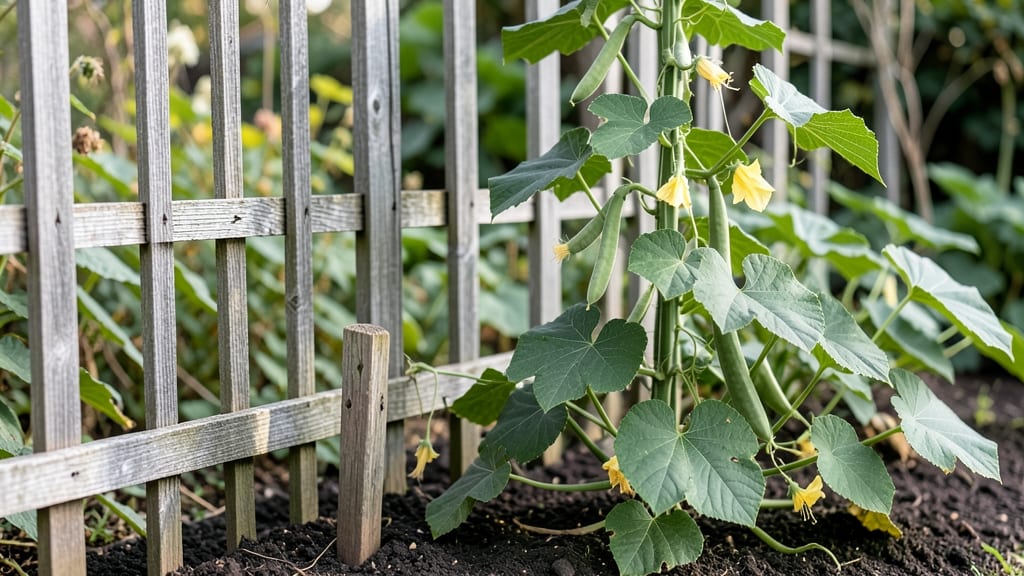
A trellis for beans and cucumbers isn't just smart—it's a game-changer for small gardens. 🌱 I used to waste space growing these sprawlers flat, but vertical training cut my footprint by half while boosting yields. The right trellis keeps plants healthy, improves airflow, and makes harvesting a breeze.
You'll need simple supplies: sturdy stakes or wire cages for beans, and taller A-frames or netting for cucumbers. Materials like bamboo, metal, or even repurposed fencing work well. The key is spacing—beans need 4-6 inches between plants, while cucumbers thrive with 12-18 inches of vertical support.
Once installed, you'll see stronger stems, fewer pests, and bigger harvests. Beans climb quickly, while cucumbers appreciate gentle tying as they grow. With proper care, your vertical garden will produce more than ever before in the same space.
This method works for any garden size, from tiny balconies to sprawling plots. The only mistake? Waiting too long to install—start early for the best results!
📚 In This Guide
- What you need
- Instructions
- Tips and common mistakes
- Wrapping up and next steps
What you need
- ● Trellis Structure: 4–6 T-posts (5–6 ft tall, galvanized or cedar, spaced 4–5 ft apart)
- ● Horizontal lattice panels (pre-made or DIY with 1x2-inch cedar slats, spaced 2–3 inches apart)
- ● OR Twine, jute twine, or nylon mesh (for a no-frills option)
- ● Hardware: Galvanized screws or nails (1.5–2 inches long, ~20–30 pieces)
- ● Heavy-duty zip ties or wire (for securing twine/mesh)
- ● Tools: Measuring tape
- ● Drill/driver or hammer
- ● Scissors or wire cutters (for twine/mesh)
- ○ Level (optional but helpful for straight trellises!)
- ● Cedar or bamboo stakes (for extra support, especially for heavy cucumbers)
- ● Powder-coated metal trellis kit (low-maintenance, lasts years)
- ● Soil or compost (if planting directly into containers attached to the trellis)
- ● Plant ties or soft Velcro strips (to gently guide vines without damage)
How to build a sturdy trellis for beans and cucumbers
Transform your garden into a vertical wonderland with a trellis that saves space while boosting yields.
🪴 Step 1: Choose Your Trellis Design and Materials
For beans and cucumbers, I recommend a 4-foot tall frame made from 2x2-inch untreated wood stakes or heavy-duty metal posts. You'll need four corner posts spaced 3 feet apart for stability. For climbing plants, add horizontal wires or netting every 12 inches—this gives vines something to grip as they grow. I like galvanized wire because it won't rust, or plastic-coated netting for a no-fuss option.
If you're working with limited space, a freestanding A-frame trellis (two angled posts connected at the top) works perfectly for small gardens. Just ensure the base is wide enough to prevent tipping—think of a sturdy tripod. For larger gardens, a grid-style trellis (like a ladder with rungs) gives cucumbers extra support for heavy fruit.
☀️ Step 2: Assemble the Frame and Secure Supports
Start by driving your corner posts into the ground at least 12 inches deep—this prevents wobbling when vines get heavy. Use a post-hole digger or hammer them in firmly. For extra stability, connect the tops with horizontal 1x2-inch boards or sturdy wire. I like to add diagonal braces between posts for wind resistance, especially in exposed areas.
Now attach your horizontal supports. For wire trellises, stretch 3-4 strands of wire (or netting) between posts at 12-inch intervals. For wooden trellises, screw on horizontal slats every 12 inches. Here's the thing—cucumbers need more support than beans because their vines get top-heavy with fruit. Add extra wires or slats if you're growing cucumbers to prevent sagging.
🌱 Step 3: Install Vines and Train for Maximum Growth
Plant your pole beans or bush bean varieties (like Kentucky Wonder) 3-4 inches from the trellis so they can climb naturally. For cucumbers, choose bush varieties (like Bush Champion) or vining types (like Straight Eight) and plant them 6 inches from the trellis. The key is gentle guidance—don’t force vines upward. Let them find their own way onto the lowest wire or slat first.
As vines grow, weave them through the trellis every few days to encourage upward growth. For cucumbers, tie main stems loosely to the trellis with soft plant ties (never wire or anything that can cut into the stem). Watch for side shoots—these are where fruit develops. If they get too long, pinch them back to keep energy focused on the main vine and fruit production.
💧 Step 4: Maintain and Adjust as Plants Grow
Check your trellis weekly for stability—especially after rain or wind. If posts start to lean, re-secure them or add stakes for support. For cucumbers, prune excessive leaves near the base to improve airflow and reduce disease risk. You’ll know it’s working when vines cover the trellis evenly and fruit hangs neatly along the supports instead of dragging on the ground.
Here’s where it gets fun—harvest regularly to encourage more production. Pick beans when they’re 4-6 inches long and cucumbers when they’re 6-8 inches for the best flavor. This prevents the vines from getting overloaded, which can cause them to collapse under their own weight. If you see vines growing too aggressively sideways, gently weave them back upward to keep the trellis balanced.
Tips & tricks for perfect vertical garden trellises
Here's what nobody tells you about building trellises that actually last—and how to make your climbing plants thrive.
Stability is Everything: The 4-foot height and 3-foot spacing between corner posts are non-negotiable for wind resistance. I learned this the hard way after watching a trellis collapse during a summer storm. For extra security, especially in exposed areas, add diagonal braces between posts—this creates a triangle shape that distributes weight evenly. Think of it like reinforcing a bridge: the diagonal supports prevent lateral movement when vines get heavy with fruit.
Material Matters for Longevity: Untreated wood stakes are budget-friendly but may need replacement every 2-3 years. For permanent trellises, galvanized metal posts won't rust and will last decades. If using wood, treat it with a non-toxic sealant to prevent rot. I've found that plastic-coated netting is surprisingly durable—it won't snap like thin wire and provides more surface area for vines to grip. The key is matching your materials to your garden's lifespan needs.
Cucumber-Specific Support: Don't skimp on the horizontal supports for cucumbers! Their vines can reach 20 feet long and produce 50-pound fruits that will snap weak trellises. Add an extra wire or slat every 12 inches for cucumbers compared to beans. I've seen cucumber vines completely flatten a trellis meant for beans—it's like comparing a bicycle frame to a suspension bridge. The extra support prevents sagging and keeps fruit clean off the ground.
Plant Placement Precision: The 3-4 inch spacing for beans and 6 inch spacing for cucumbers aren't arbitrary. Beans have smaller leaves and lighter vines, while cucumbers need room for their broader foliage to develop. Plant too close and you'll get tangled vines competing for sunlight. Too far and you lose the trellis's space-saving benefits. I like to mark planting spots with small stakes before actually placing the plants to ensure proper alignment with the trellis structure.
Pro Tips for Trellis For Beans And Cucumbers
- Here's what nobody tells you about building trellises that actually last—and how to make your climbing plants thrive.
- Stability is Everything: The 4-foot height and 3-foot spacing between corner posts are non-negotiable for wind resistance.
- Material Matters for Longevity: Untreated wood stakes are budget-friendly but may need replacement every 2-3 years.
Frequently asked questions
Got questions about trellising beans and cucumbers? You’re not alone!
Here are answers to the most common queries to help you grow like a pro.
What’s the best time to install a trellis for beans and cucumbers?
Install your trellis before planting! For cucumbers, set it up when seedlings are 3–4 inches tall or as soon as you transplant them. For pole beans, plant seeds near the trellis so vines can climb naturally. Early installation prevents root disturbance and ensures healthy growth.
Can I use a DIY trellis instead of buying one?
DIY trellises work great—try bamboo stakes, PVC pipes, or even repurposed materials like wire fencing or old ladders. Just ensure they’re sturdy (especially for heavy cucumbers) and spaced 3–4 feet apart. Add twine or netting for extra support.
How do I keep cucumbers from falling off the trellis?
Use soft ties (like old T-shirts or garden twine) to gently guide vines upward, avoiding tight knots that can damage stems. Prune excess leaves near the base to improve airflow and reduce weight. For large cucumbers, add a sling or small basket under the trellis to catch them.
Will trellising beans and cucumbers increase my yield?
Yes! Trellising improves airflow, reduces disease risk, and directs energy into fruit production instead of sprawling vines. Bush beans may not benefit as much, but pole beans and cucumbers can yield 20–50% more with proper support. Plus, it saves space—win-win!
What should I do if my plants aren’t climbing the trellis?
Check for these issues:
- Weak or leggy plants: Add shade cloth temporarily to prevent sunburn while they strengthen.
- No tendrils: Gently twist vines around the trellis or tie them with soft material.
- Overcrowding: Thin plants to 12–18 inches apart for better airflow.
Wrapping up and next steps
Building a trellis for your beans and cucumbers is a game-changer—it saves space, boosts yields, and keeps your garden tidy! 🌱 Whether you’re a beginner or a seasoned gardener, the right trellis setup makes harvesting easier and your plants happier.
With the right materials and a little creativity, you’ll be growing lush, thriving vines in no time.
Now that you’ve got the know-how, it’s time to roll up your sleeves and get planting! Start small with a DIY trellis, experiment with different designs, and watch your garden transform. Happy growing—your future harvests will thank you! 🌟